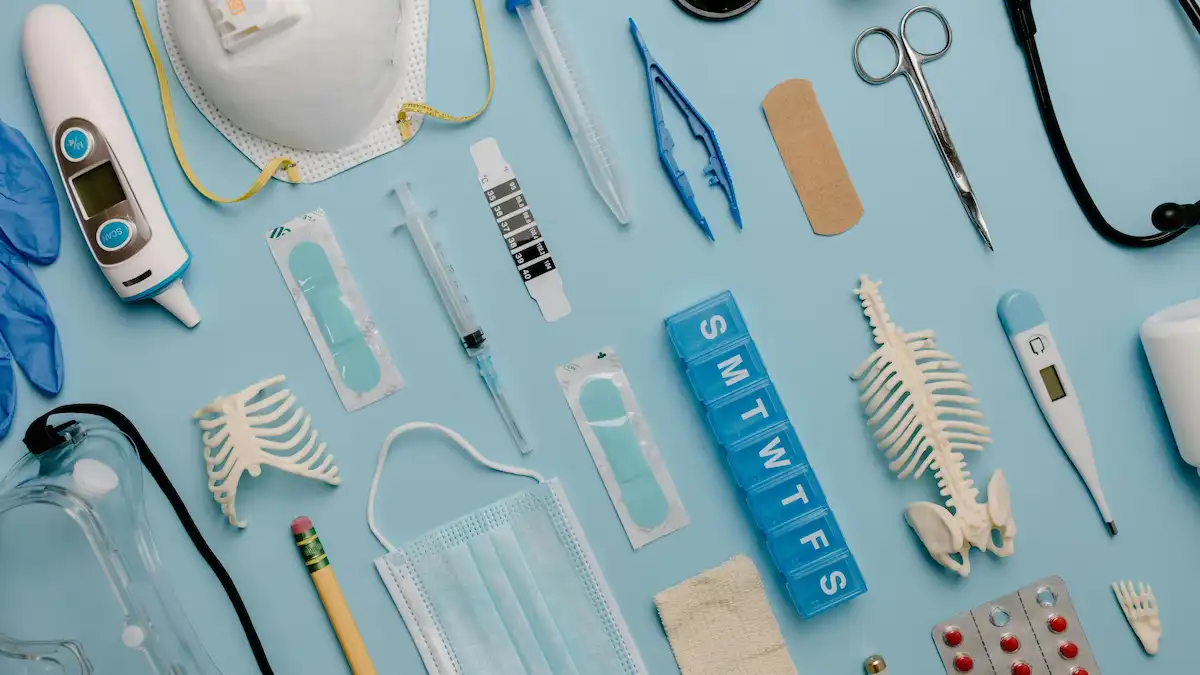
A well-stocked first aid kit is essential for any backpacking adventure. When you’re travelling to remote places, trying unfamiliar foods, or taking part in more adventurous activities, the chances of getting sick or injured can increase. And in some situations, a pharmacy or doctor may not be nearby. That’s why it’s so important to carry a first aid kit. Whether you buy a premade version or put one together yourself, you’ll need to know what travel first aid kit essentials are important to carry with you.
5 reasons why you should always travel with a first aid kit
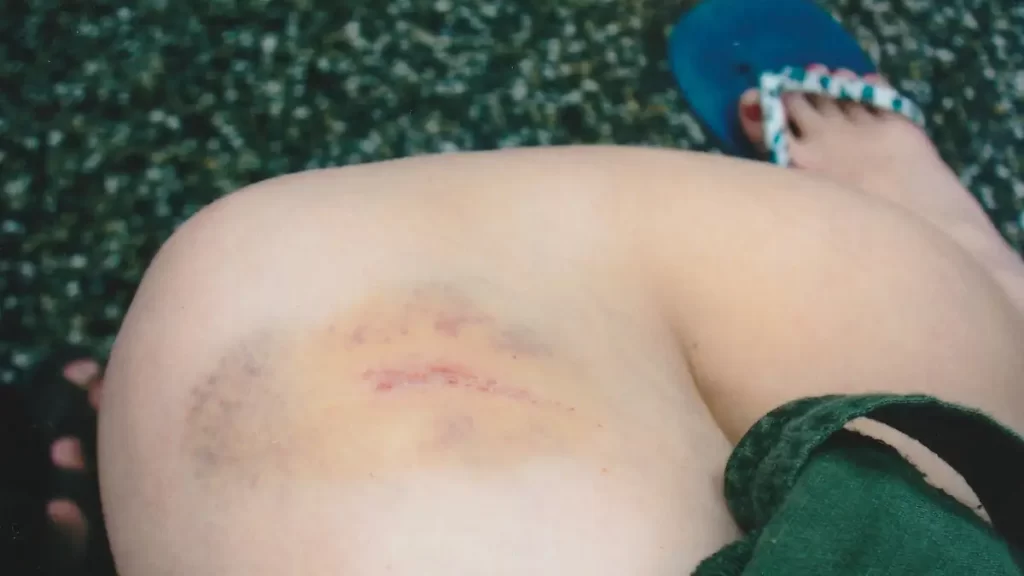
- Medical help or supplies might not be easily available – In remote areas or small towns, you may not have quick access to a pharmacy, hospital, or English-speaking doctor. Having your own kit gives you immediate options. I relied heavily on my first aid kit when I was working in the Australian outback. I contracted a nasty skin infection which left me with painful boils all down my legs. Luckily, I had enough antiseptic cream, gauze and plasters to keep me going until I was able to get proper medical attention.
- You’ll have the right supplies for your personal needs – If you rely on specific medications or have a health condition, it’s important to carry what you need. Some medicines can be difficult or even impossible to source abroad.
- It can save you money – Visiting private clinics, buying overpriced meds, or replacing basic supplies can quickly add up. Packing your own kit helps avoid unexpected costs.
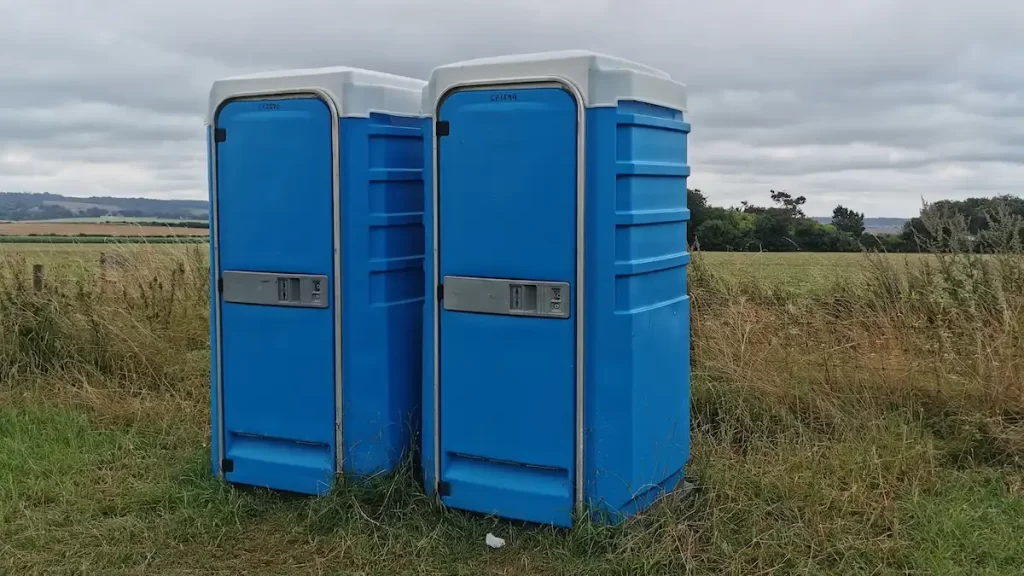
- Getting traveller’s diarrhoea isn’t funny and not a story you want your travel buddies retelling – Having things like rehydration salts and anti-diarrhoea meds on hand can save you a miserable few days and some major embarrassment. Having these essentials in my first aid kit saved me in Madagascar after I ate some questionable pork the night before a 12-hour bumpy off-road journey into the jungle — with nothing but bushes for toilets.
- It could literally save a life – From stopping bleeding with a bandage to using an EpiPen for an allergic reaction, a well-stocked kit can make a critical difference in an emergency.
What travel first aid kit essentials to pack
Basic first aid essentials
These are all the common items you will usually find in any first aid kit. They are basics which are good to have for any situation.
- Plasters in a variety of sizes
- Bandages
- A sling
- Disposable gloves
- Gauze
- Micropore tape
- Antiseptic wipes
- Safety pins
- Mini scissors
Creams and ointments
Topical creams and ointments are good for a variety of ailments from sunburn to bug bites.
- Burn cream
- Sudocrem (or similar product) – This multipurpose cream works on a variety of problems such as bug bites, spots and chafing
- Antiseptic ointment e.g. TCP/Dettol
- Eye wash – This is one of those items which you will probably never need, but guaranteed that if you don’t pack it, you will need it.
- Antifungal cream – This might not apply to everyone, but if you know you are prone to issues such as athletes foot, then packing an antifungal cream can be a real help
Handy extras
Although not essential for every trip, these extra items can be useful to have.
- Instant cold pack – Good for sprains or headaches.
- Blister pads – These are similar to plasters but have a thicker more jelly like consistency to help prevent or cover blisters. Useful if you know you will be hiking a lot.
- Tweezers/tick tweezers – Tweezers aren’t just great for plucking eyebrows, they can also be used for getting splinters or thorns out. If you are hiking a lot in long grass, then taking a pair of tick tweezers can be beneficial as these help get ticks out without leaving the head stuck in you, which can lead to infection.
- Stick on heat pads – These heat pads are compact but are great for helping to relieve muscle aches or period pains.
- Water purification tablets – These handy little tablets can help make water safe to drink. They are useful if you are camping, or in an emergency or in areas where water may not be the safest to drink. Use with caution as they may not work on highly contaminated water.
- Feet/hand warmers – If you are travelling in cold conditions or have poor circulation like Raynauds, these pocket-sized warmers can be a real help.
Medications
This is a list of common medications a backpacker might need to consider packing. However, not everything will apply to everyone, so consider your own circumstances and medical conditions and pack only what you need.
- Contraception pill
- Ibuprofen/paracetamol/aspirin
- Medication for any ongoing condition e.g. heart condition, mental health issues, blood pressure
- Antihistamines/nasal sprays
- Rehydration salts
- Diarrhoea relief tablets
- Malaria tablets
- Anti-sickness pills
- Altitude sickness medication
- EpiPen
- Asthma inhaler
- Supplements
- Cough and cold medication
Health and hygiene essentials
Although these are not strictly things which you would pack in a first aid kit, they are useful things to have for your own comfort and hygiene and to help prevent illness.
- Hand sanitiser – A key staple when travelling. As a backpacker you will often find yourself without running water, so hand sanitiser is a great alternative to be able to clean your hands on the go before meals or after those wild wees.
- Bug spray – Bug spray is essential if you are travelling to a malaria area, as it can help prevent getting bitten. Sprays containing DEET are the most effective for malaria areas.
- Suncream – Regardless of your skin tone, suncream is essential to protect yourself from the harmful UV rays. Ensure you choose one with a high enough SPF and one which protects again UVA and UVB rays.
- Mini microfibre towel – A compact towel which just clips onto your bag is great for quickly wiping your hands, feet or mouth.
- Small pack of tissues – There are so many times when I have been into a toilet and found no toilet paper, so I now always carry a small pack of tissues in my backpack. It’s also useful for wiping your face and hands after eating or when you have a cold.
- Sanitary items – Depending on where you are travelling, can depend on how difficult it is to obtain sanitary items, so packing enough for a few cycles will ensure you are never caught without.
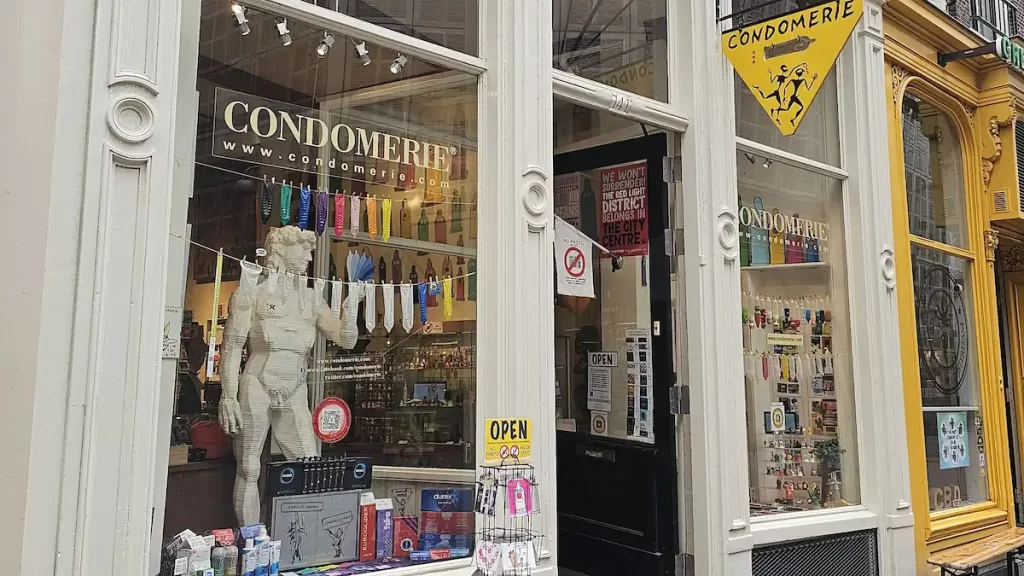
- Condoms – Contraception is important to pack if you are going to be sexually active. While there are many different types of contraception available, condoms are the most effective at protecting against sexually transmitted infections (STI’s). So if you don’t have a regular partner and think there may be a chance of a holiday fling then pack some just to be safe.
- Plastic/sanitary/nappy bags – Plastic bags are a great multipurpose item. They can be used to dispose of sanitary waste or bloody bandages or to put over a wound to keep it dry when showering or to keep your feet dry in the rain.
- Face wipes – There are times while backpacking when a shower won’t always be available, so face wipes make a good alternative to allow you to have a quick clean and freshen up on the go.
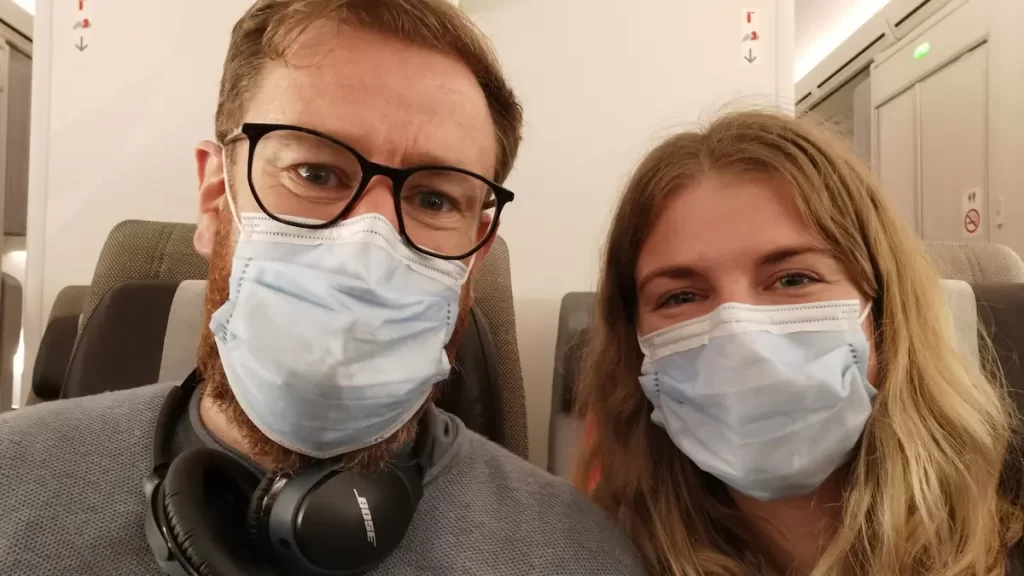
- Face mask – Yes, the times of covid and mandatory face masks are thankfully behind us, but face masks are still a useful item to carry while travelling. They can help protect you against illness and airborne pollution.
- After sun – If you are the type of person who burns easily, then a nice cooling after sun might be a good thing to pack.
- Lip balm with SPF – Lips can burn easily, so if you are travelling in a hot country or going out on the slopes, then ensure your lip balm contains SPF to protect the delicate skin on your lips.
- Contact lenses and solution – If you are a contact lens wearer, ensure you pack enough lens and solution for your trip. Also take some spare glasses just in case.
Emergency information and documents
There are many documents and useful numbers which you might need when travelling abroad. Below are ones which are important for your health and safety.
- Basic first aid information – Many premade first aid kits will come with a basic first aid instruction leaflet. If you are not confident in administering first aid, then it might be worth putting this type of information in your first aid kit, just in case.
- Emergency services contact numbers – When travelling abroad, you need to know how to contact the local emergency services should the worst happen. Don’t expect the telephone number to be the same as your home country and don’t wait until there is an emergency to start scrabbling around trying to find it. Save the number in your phone and in your first aid kit.
- Medical alert bracelet/allergy card/blood type – If you have a specific medical condition or allergy, then carrying the relevant information on your person could help someone save your life.
- Local hospital information – If you know you will be staying in one place for a prolonged period of time, such as when you are working, it is a good idea to make note of where the local doctor’s surgery, hospital or dentist is in case you need them.
- Travel insurance and emergency medical number – Travel insurance is something no backpacker should travel without. You should make sure you always have your insurance documents with you including the policy number and medical emergency telephone number. Read more about the importance of travel insurance and what to consider when buying it in our blog post.
- Medical record – For people travelling with complex medical issues, it might be worth keeping a copy of your medical record in case you need to seek treatment abroad for that condition.
- Prescriptions – Certain countries have restrictions on what medication can be taken into their country. Some places may require you to show a copy of the prescription on entering the country. So, if you know you have to take medication with you, you should do some research prior to travel to check what their rules are and whether there are any restrictions.
- Travel vaccination record – Remember the time when you couldn’t travel anywhere without showing your covid vaccination certificate. Luckily those days are mostly behind us, however there are many countries who require proof of vaccination for certain diseases. For example, several African and South American countries require a yellow fever certificate before they grant entry into their country.
- NHS app – If you are from the UK, you can download the NHS app on your phone prior to travelling, to allow quick access to medical records, results, vaccination status and prescriptions. A lot easier than trying to ring your doctors from abroad.
For more information on what documents are needed to travel abroad, please see our blog post.

Other tips
- Check expiry date – Make sure any medication or creams are within date.
- Regularly restock your travel first aid kit – You may use items such as plasters or antiseptic wipes fairly frequently, so ensure that you restock your kit so that you aren’t missing items at a time when you might need them.
- Don’t carry scissors or liquids over 100ml in carry on – There are strict restrictions on what can and cannot be taken on a plane, especially in hand luggage. Any liquids over 100mls or sharps like needles or scissors will need to be stored in your checked luggage.
- Declare any pre-existing medical conditions with your travel insurance company – If you have a preexisting medical condition, then you must declare it to your travel insurance company prior to buying the policy. Failure to do so will result in that condition not being covered by your insurance. So should you need medical attention when you are away, you may end up having to pay a lot of money to get treatment.
- Keep a smaller travel first aid kit in your day pack – The majority of your first aid items can be stored in your large backpack or suitcase. But you should keep a smaller kit in your day pack for when you are out and about hiking or sightseeing. Just a few plasters, maybe a bandage, and some antiseptic wipes should be sufficient, plus anything extra such as suncream and bug spray you may need for the day.
- Vaccinations – Travel can often expose you to diseases not found in your home country and you may need additional vaccinations prior to travel. Check out the NHS Fit for Travel or Travel Health Pro websites to find out what vaccinations are needed for each country.
- Consider high risk activities – Think about what you will be doing and where you will be going when you are away. Are you travelling to remote locations? Working with wild animals? Volunteering in a war zone? Undertaking extreme sports? If you are going to be exposed to high risk activities or high risk areas, then you need to research whether there is anything extra you need to do prior to departing to ensure your own health and safety. Do you need additional vaccinations? Does your travel insurance cover you for the activities you are doing or the work you are undertaking? Is there any additional equipment you need to pack.
This list is not exhaustive and is just a rough guide to give an idea of what to pack in a travel first aid kit. Everybody’s circumstances and medical history is going to be different. Not everyone will need everything on this list, and some people may need to pack additional items. Consider your own health and type of trip you will be undertaking. If you are still not sure what you might need, then consult your doctor or check out NHS Fit for Travel or Travel Health Pro for further information.
Want to protect your health further? Then read How to avoid getting sick while travelling.