
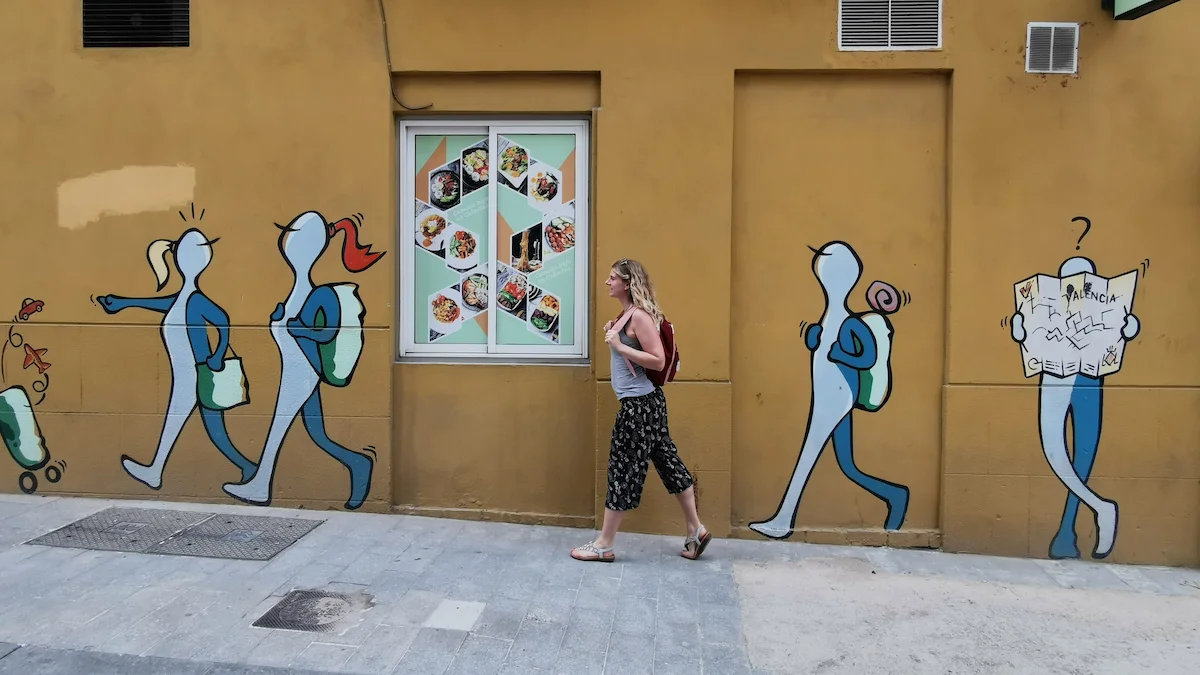
Walking is one of the best ways to explore a new city or it can be an activity all on its own. It’s healthy, free, and lets you move at a slower pace compared with public transport. I personally love to walk when I’m travelling and often find myself racking up to 30,000 steps a day! But there are times when walking just isn’t possible and public transport becomes the better option. If you’re trying to figure out the best way to explore while travelling, then this post delves into the pros and cons of walking vs public transport, plus tips on how to make the most of each option.
Walking while travelling
There are many situations where you’ll find yourself walking when travelling. It might be getting to your accommodation, exploring a new city, joining a walking tour, or tackling a challenging hike. Walking has so many benefits and in many cases, it can be the most rewarding way to get around.
Pros of walking
- It’s free – Walking doesn’t cost anything so it’s perfect for budget conscious backpackers
- Great exercise – Whether you’re strolling through cobbled streets in Europe or hiking a mountain trail, walking keeps you fit and requires no special equipment.
- Discover hidden gems – Walking slows you down and lets you access places vehicles can’t, allowing you to discover more along the way. This might be a cute café, cool street art or unexpected wildlife.
- New experiences and achievements – Walking can be the adventure. Multi-day treks or challenging hikes offer a sense of achievement and reward that you don’t experience on public transport. For me, completing the 5-day Salkantay trek to Machu Picchu was exhausting and brutal, but so much more rewarding compared to if I had just arrived there by bus.
- Sometimes quicker than public transport – When you think of walking vs public transport, you often think that walking would be the slower option. But in congested cities with lots of traffic, it can often be quicker to travel shorter distances on foot compared to getting a bus or taxi. Even underground transport can take longer if you have to navigate escalators, queues and wait for trains to arrive.
- Get back to nature – Walking through forests, beaches, or mountains is great for mental health. Even in cities, fresh air and sunshine beat a crowded bus.
- Immerse in local culture – Walking lets you interact with locals and experience the atmosphere of a place in a way you miss when whizzing past on a bus or travelling underground.
- Eco-friendly – Walking is the most sustainable way to travel. No fossil fuels required.

Cons of walking
- Safety concerns – Walking at night or through some cities or neighbourhoods can be unsafe, especially for solo or female travellers.
- Weather dependent – Extreme heat, rain, or cold can make walking uncomfortable, leaving you sweaty or soaked on arrival. Always pack accordingly.
- Time consuming – You’ll cover less ground on foot compared to public transport.
- Hard with luggage – Carrying a heavy rucksack or wheeling a suitcase can be harder when walking.
- Tired feet and blisters – Walking long distances in hot or wet weather, or wearing the wrong shoes, can quickly lead to sore feet.
- Accessibility issues – Hills, cobbled streets, or rough terrain make walking harder. It also might be more challenging for those who are injured, disabled, or pregnant.

Best ways to walk while travelling
- Join a free walking tour – Did you know that many hostels, tourism boards and private companies offer free walking tours. Just Google ‘free walking tour’ followed by the name of the town or city you are in to find one. Although it is free to join the walking tour, it is customary to leave a tip at the end if you’ve enjoyed it and they have done a good job.
- Download a hiking app – If you want to do some countryside walking, then a hiking app can help find well-trodden routes near you. I personally love using AllTrails, as you can filter the routes by difficulty, distance, and whether it is one way or a loop trail.
- Pick up a paper map – Paper maps are less common since the invention of the smartphone and GPS software. But paper maps can be great for remote areas where there is no Wi-Fi or electricity. They are also good to have on hand for proper expedition hikes where you may need an ordinance survey map to avoid getting lost. For urban walking, ask at your accommodation or the tourist information office for a city map. These usually highlight the main things to see and do, which is helpful when navigating around a new city.
- Use Google Maps to plan your route – Google maps has a great feature where you can save tourist attractions, restaurants, and areas of interest into a list. This is useful when exploring a new place as you can do all your research beforehand and save everywhere you would like to visit into a list. Then Google will plot all those must-see places onto a map for you which you can then follow yourself. It’s a good way to explore a new city by yourself.
- Join a hiking expedition – If you are really wanting to push yourself out of your comfort zone and give yourself a challenge, then joining a hiking expedition is great. Think climbing Kilimanjaro, trekking in Machu Picchu or hiking the length of the Great Wall of China.
- Walk with a local with Airbnb experiences – You may have heard of Airbnb, but have you heard of Airbnb experiences? Airbnb experiences are when you pay a local person for a tour, cooking class or other experience. They are a good way to get an authentic feel for a place and explore places only known to locals.

Public transport while travelling
From buses and trains to boats, metros, and taxis, public transport is available almost everywhere. It’s often the fastest way to cover long distances, but it comes with its own pros and cons.
Pros of public transport
- Efficient for long distances – The main reason to use public transport is for travelling long distances between destinations. It will be quicker and allow you to see more places in a shorter amount of time.
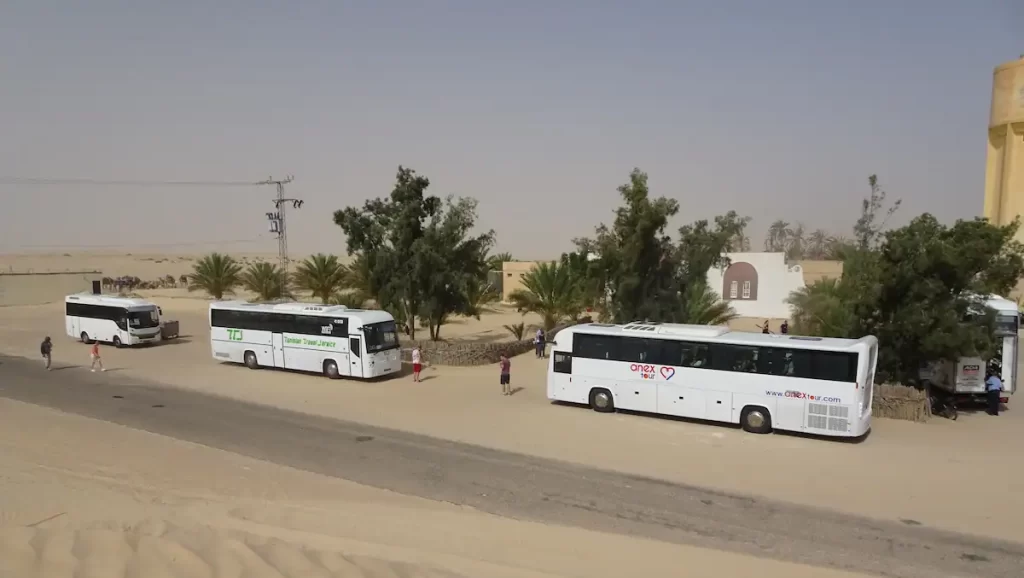
- Good for rural or rough terrain – Essential in areas with deserts, mountains, rivers or no footpaths.
- Often safer – In dangerous cities or at night, public transport can be safer than walking. However, level of safety does depend on the country and type of transport.
- Adds knowledge – Tourist transport often includes commentary or a guide giving context and history to a destination.
- Better views – Certain transport like double decker buses and boats will give you unique vantage points to see views over the city or coastline.
- Helpful for transfers – Perfect for airport runs or moving between accommodation with heavy luggage.
- Sometimes free – Some cities (e.g. Manchester, several cities in Australia, and even all of Luxembourg) offer free public transport.
- Meet new people – Public transport gives opportunities to chat with locals and other travellers. Great if travelling alone.
- Life experience – Navigating foreign transport systems in other language teaches patience and problem-solving skills.
Cons of public transport
- Can be expensive – Prices vary by country, but unless you are lucky enough to be travelling to a place that offers free transport, frequent use of public transport can eat into your budget.
- Restricted by strict schedules – You are limited by timetables, and many services stop late at night, so public transport only works if the departure times fit in with your schedule.
- Sometimes slower than walking – With only certain departure times, and long walks to station platforms, it can sometimes be quicker to walk, especially over short distances.
- Crowds and unpleasant passengers – From drunken behaviour to loud music to sweaty armpits, travelling in a confined space with lots of people can be unpleasant.
- Unsafe conditions – Poorly maintained vehicles, reckless drivers and dangerous roads can be a risk in some countries.
- Less flexibility – Unlike with walking, you are tied to set routes and stops. These are often major destinations or highlights of a city or country meaning that you will get to see less hidden places.
- Language barriers – Navigating public transport abroad in a foreign language can be a challenge and can add to the stress and confusion of getting around.
- Unreliable service – Strikes, delays, or cancellations can derail your plans.
Best ways to use public transport for exploring and saving money
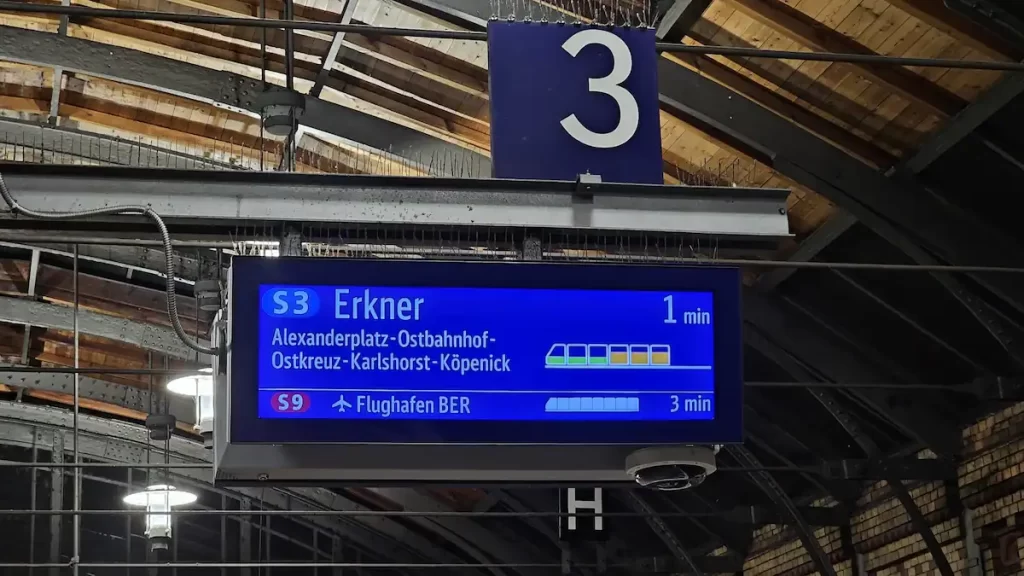
- Hop-on hop-off sightseeing tours – Most major cities around the world will offer a hop-on hop-off sightseeing tour. These are usually buses (or sometimes boats) which will travel to various tourist attractions giving information on each place and allowing you to get off when and where you want. Great for seeing major landmarks quickly.
- Buy a pass – In many cities there are passes available for tourists which combine transport with entry to attractions, or which offer public transport for a certain number of days. These can be a great way to save money, especially if you know you will be using public transport a lot. Passes can usually be purchased at tourist information, at ticket machines, or online.
- Use instead of expensive tours – Public transport is a good alternative to paying for tours. While you don’t get the guided commentary, you can use it to visit all the major attractions or use it instead of expensive transport. For example travelling around Venice on the public waterbus is considerably cheaper than riding in a Gondola and you can still see most of the same sights.
- Long haul hop-on hop-off buses – If you want to explore further than just a city, then a hop-on hop-off bus can be a good solution. These buses travel across countries and offers flexibility while having the security of a driver or guide.
- Try unique transport – When you think of public transport you probably think of buses, trains and ferries. But there are many other cool and unique ways to get around when travelling. Think tuk tuk rides in Thailand or Mokoro boats in Botswana.
Click HERE for more budget transport options.

Walking vs public transport: Which one is best?
As a backpacker you will probably find that you will explore on foot and by public transport many times in your trip. While both have their place, I personally would always choose walking over public transport. I like the freedom it gives to explore a new place, find hidden gems, mingle with locals and burn off all those calories I’ve consumed trying the local cuisine. But public transport is needed. It’s good for long distances or when short on time or when faced with difficult terrain or extreme weather. It’s also safer than walking in certain places, especially if you are in a dangerous area, walking at night or are a solo female traveller.
If you are someone who always relies on public transport to explore and get around, then I’d encourage you to step out of your comfort zone, put on your comfy shoes and start exploring on foot. You never know what unexpected treasures you might uncover along the way.