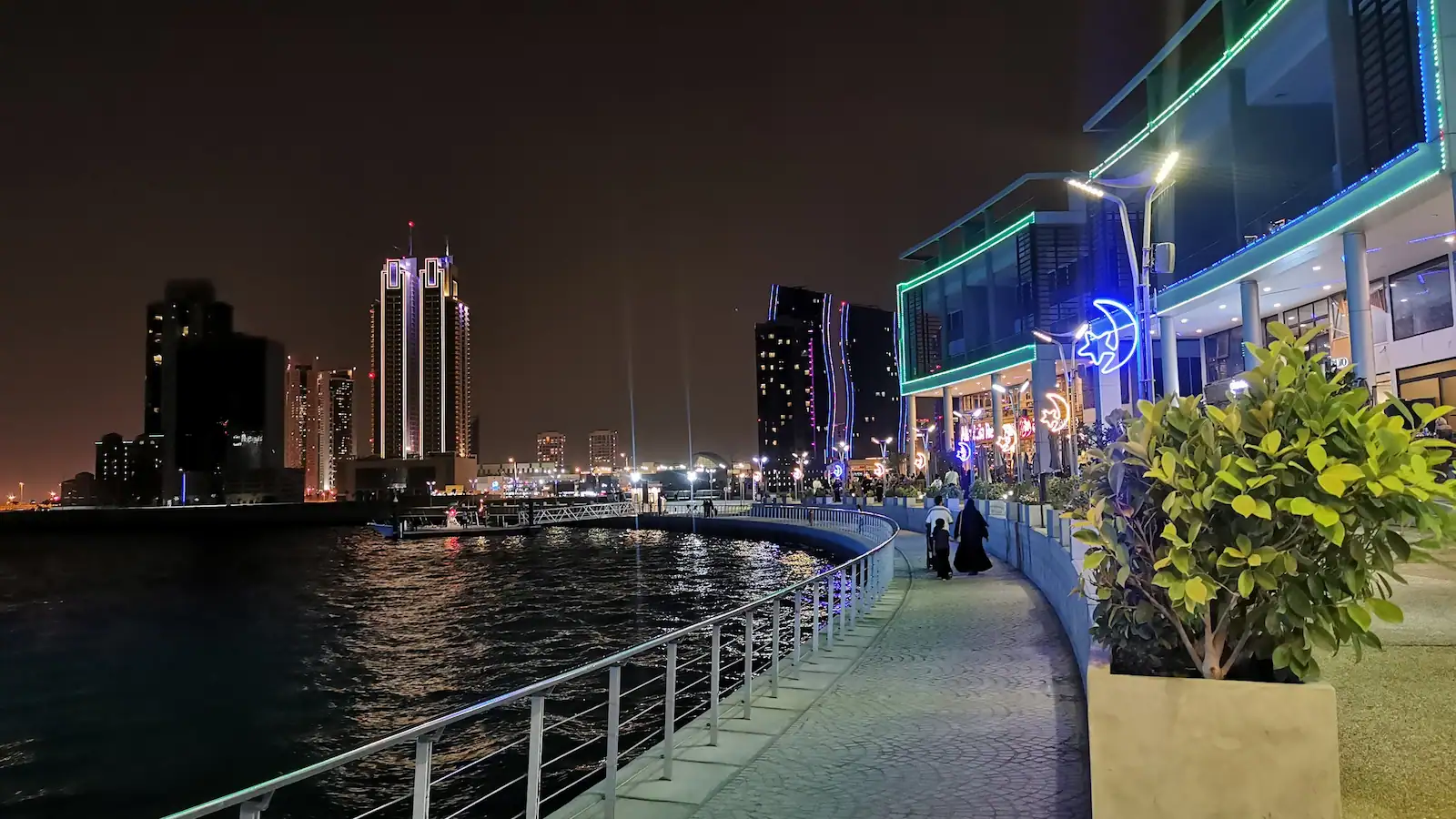
The plane has touched down, but now what? Where do you go? How do you find your accommodation? And how will you feel in those first 24 hours after you land? Here’s everything to expect when you arrive at your destination.
Navigating the airport
Once the plane lands, you will be funnelled through several areas of the airport. First will come passport control and immigration where you will show your documentation, then baggage claim where you collect any luggage and finally customs. It is important to understand what to do at each of these stages to save time and avoid any unnecessary stress. Luckily we have a in depth step-by-step guide of how to navigate an airport from departures to arrival which explains this process fully.
Currency exchange
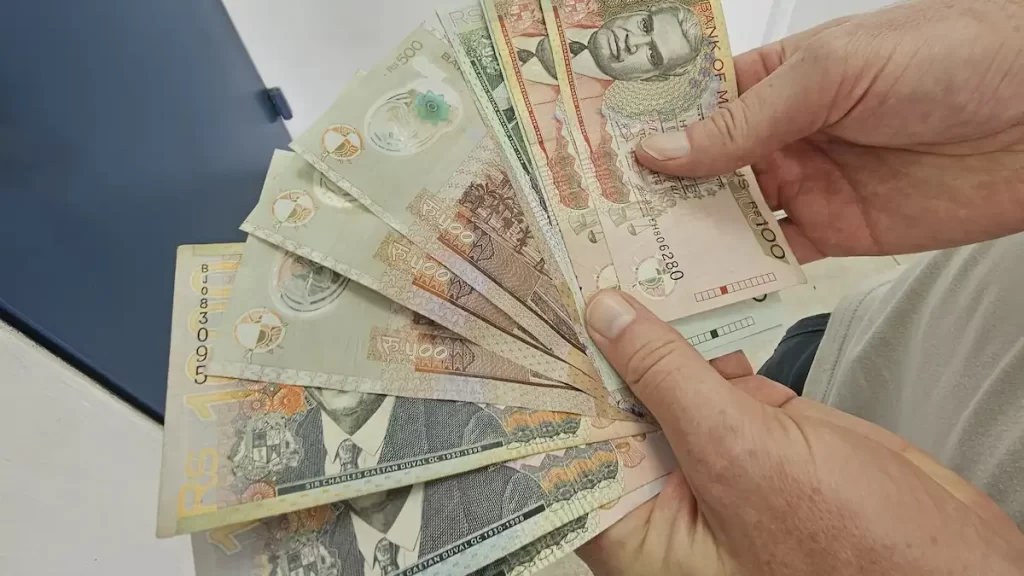
Before leaving the airport, it might be a good idea to stock up on some of the local currency if you haven’t already got some. This is useful to pay for your onwards transport or tips for the local drivers or porters who may be assisting you between now and when you arrive at your accommodation. The best and easiest option for buying currency is to get it before you leave your home country because you can shop around and know that it’s legitimate. However, some countries have a closed currency meaning that the only place you can buy money is when you arrive in that country. Try and stick to the official currency exchange kiosks inside the airport and don’t exchange currency from random people on the street or in huts outside.
Beware of scams and people taking advantage
There are many people who hang around airports trying to make quick money off disorientated tourists who have just arrived. This can range from people offering their services in exchange for money e.g. porters who carry to your bags, to those who are just trying to scam you. Be vigilant when you land in a new country. If you are not sure then look for legitimate staff members who occupy the check-in desks, information booths and immigration control to double check if something is ok to do.
Getting to your accommodation
There are several ways to get to your accommodation once you land. You may either have a prearranged transfer, a friend picking you up or you may need to find public transport. If you have already planned to meet somebody like a friend or tour guide, then often these people will be waiting for you immediately after you exit customs. If you don’t have transport arranged then you will need to look for a taxi, bus or train to take you to where you need to go. My advice would be to research how you will get to your accommodation before you even leave your home country. This is because when you land you may be disoriented, exhausted and just in a rush to get to your destination so may end up getting the wrong transport or paying over the odds for it. Airport websites are a good place to start when deciding how to get to your accommodation. They usually list all the public transport options and will often have maps, prices and links to where you can buy a ticket. If you can buy a ticket in advance that will be easier as you can just jump straight onto your bus or train when you land and don’t have to worry about working out how much it will cost or where to buy a ticket from, especially if it’s late at night or early morning.
To find your transport, just follow signs in the airport. Most airports will have very clear signs dotted around which point in the direction of the taxi ranks and bus and train stations. If you are unsure, there is often airport information kiosks which can help, or private taxi or bus firms who can sell you a ticket to where you need to go.
Also, don’t forget to check prior to arrival roughly where your accommodation is in relation to the city centre. It is no good getting a direct train to the city centre, only to discover that you booked a hostel on the outskirts, miles away from the centre.
(Want to know the best budget transport options for backpacking? Then check out our blog post.)
Exhaustion
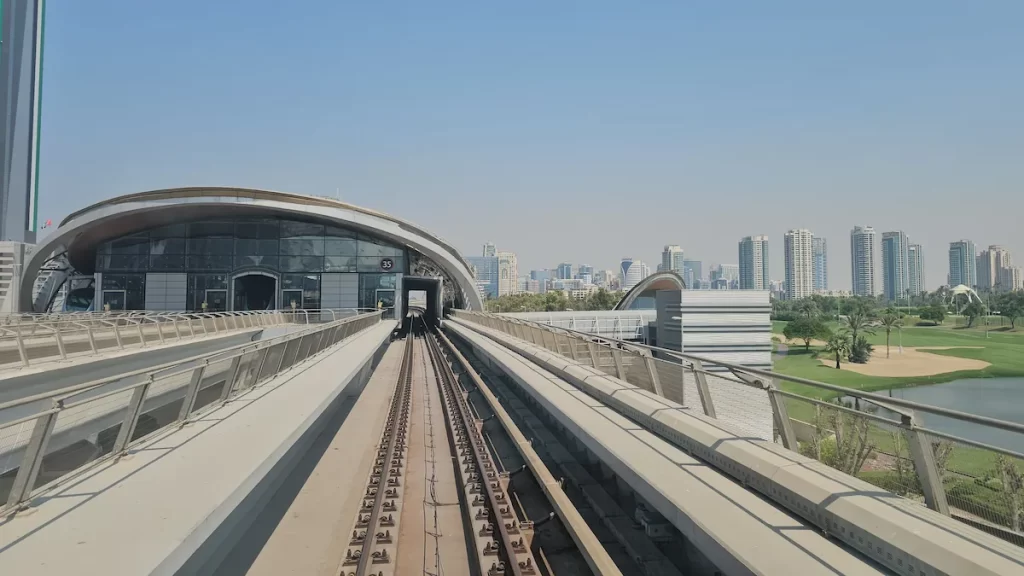
Travelling can be tiring. You might be flying long haul across several time zones and haven’t managed to sleep on the plane. It is completely normal to feel spaced out or exhausted when you arrive at your travel destination. Make sure you factor this into your schedule and give yourself a day or two to decompress and to get over the jetlag before rushing out to start sightseeing or working. It might even be worth booking a nice hotel for the first few nights to ensure a good night sleep before starting your budget adventure of sleeping in hostels or camping.
Culture shock
Visiting a new country can be a big shock to the system, even more so if you are a novice traveller or are travelling alone. Everything from the weather, the food, the people and the language barrier can be quite overwhelming to get used to initially. Like with exhaustion, it is important to allow yourself a day or two when you land to get acclimatised to your new environment. Even myself as a seasoned traveller can get overwhelmed by a new, unfamiliar place, but luckily I find it passes within 24-48 hours. You have plenty of time to go out and explore, so if you are feeling overwhelmed initially then do something familiar like find the nearest McDonalds (or similar home comfort) or call a friend back home. This will help you feel connected to your home and make things feel less alien to you.
Getting your bearings
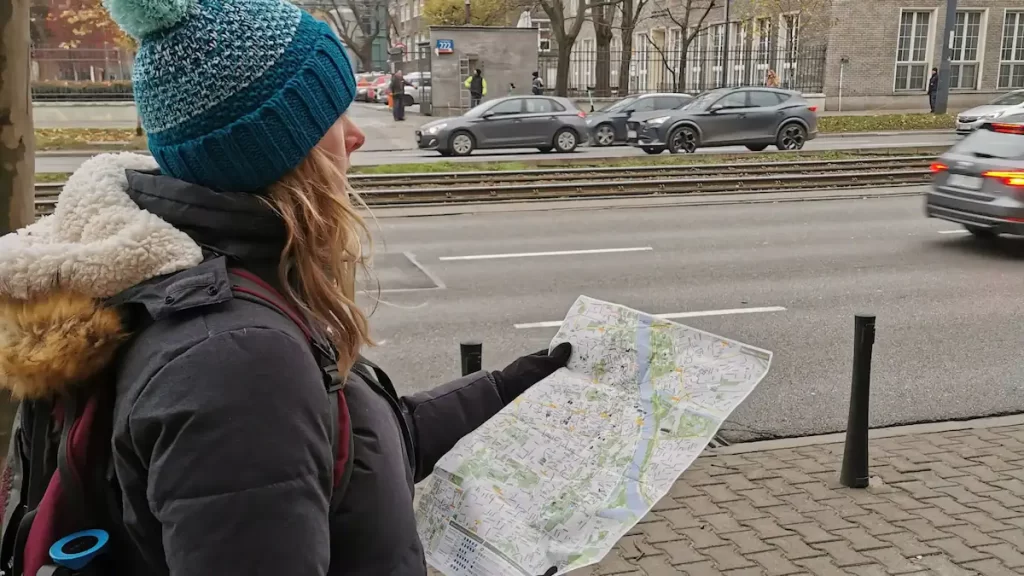
New cities can be hard to navigate. Whether it’s the busy grid like system of New York City or the cobbled winding streets of Italy, it’s going to take some time to figure out where you are and how best to get around. It might be worth bringing a map or guidebook with you to help initially or downloading Google maps for the city you are visiting.
Top tip: Once you arrive at your accommodation find out where the main tourist attractions are located. Tourist attractions are usually grouped close together in or near the city centre, so even if you don’t want to visit any of them, it can help you get your bearings and find out where the central hub of a city is.
Setting everything up
If you are going to be travelling or working in a country for a long time, then there maybe several things you need to set up. These could include buying sim cards, setting up a bank account or getting a national insurance/tax number to allow you work. Unless you are on a tight schedule, don’t worry about trying to do all these things in the first few days. Allow yourself time to decompress and get your bearings before tackling all the boring stuff you need to do.
Mixed emotions
Long term travel is a huge thing to undertake and when you land you can be faced with a wide range of emotions. You may be excited by the prospect of the world at your feet and months of holiday ahead or you may face worry and doubt about whether you can do this or whether you have made the right decision. This is all completely normal and like with culture shock it will take a few days to settle back into feeling like yourself again.
Everything becomes normal
After those stressful and overwhelming first 24 hours or so, you will quickly adapt to your new life on the road. You will get over the initial shock, find your way around and will immerse yourself in a new culture. You will accept that this is your new life now. You are finally here.