
Ah hostels, the epitome of the nomadic lifestyle. Love them or hate them, you will probably stay in at least one on your adventure. But what is a hostel, how do they work and what can you expect when staying in one?
What is a hostel?
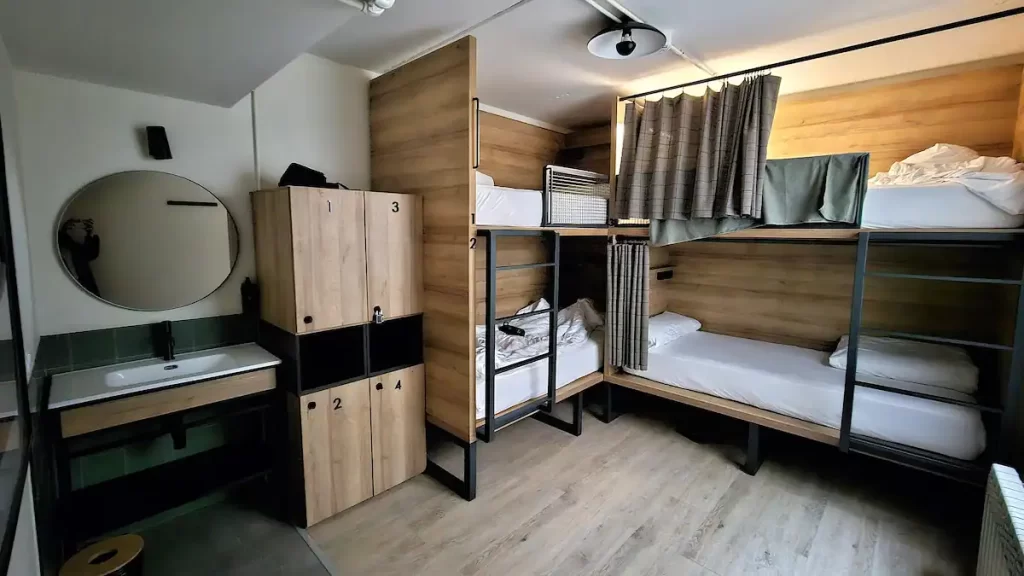
A hostel is a cheaper alternative to a hotel. It is a communal living type of accommodation where you often share bedrooms, bathrooms and living areas with other people. Although many hostels do offer private rooms like you would get in a hotel, usually the accommodation comes in the forms of dorms. Dorm rooms contain multiple beds and can range in size from 3 to 30+ beds. What you are paying for is a single bed in one of these dorm rooms, so it’s cheaper because you are sharing the cost of the room with other people.
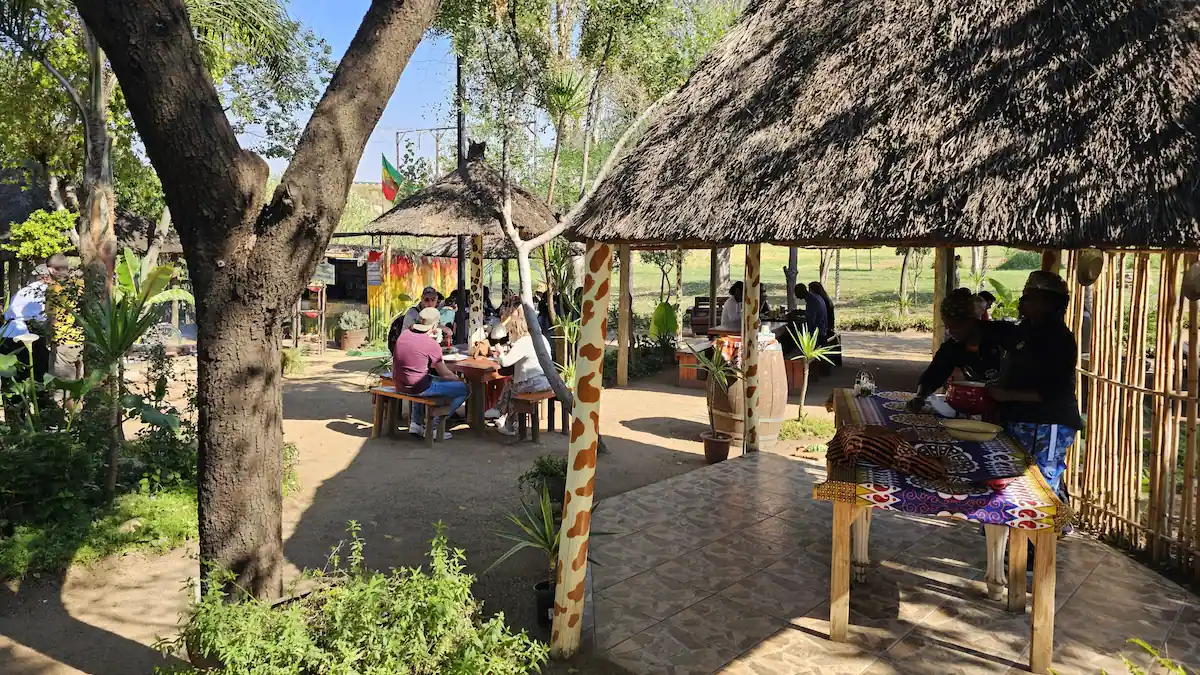
Hostels can come in all shapes and sizes. There are massive city hostels spread over multiple floors but also small boutique hostels in rural locations. You can get hostels on a boat, in a cave or in a skyscraper. There are party hostels with nightclubs inside but also hostels with a relaxed chilled out vibe. They can have a traditional theme, a futuristic feel or be rustic and ecofriendly. Whatever your style, you can be sure there is a hostel out there to fit your needs.
How to book a hostel?
I have turned up to many a hostel and just asked if they have a bed for the night, but if you want to be more prepared you can check out websites such as HostelWorld or booking.com. If you are using a travel agent or are travelling with a tour guide then they can book you a room as well. Hostels can also be easily found on Google or you can book a room directly through a hostel’s website if they have one.
What to expect when checking into a hostel?
Before arriving at the hostel, it is best to confirm if there are certain check-in hours or whether it is a manned 24-hour hostel. A lot of the large city hostels will have a 24-hour reception, but the more rural hostels often only have someone available up until a certain time in the evening. If they are going to be closed by the time you get there, it is worth asking if they can leave a key out for you so you can check-in after the staff have left. Note that not all hostels offer this.
When you arrive at reception, it is usual that they will ask for photo ID. They usually prefer a passport, but sometimes a driving licence will be fine. It is normal for them to take this away to copy it for their record. I’ve even known some hostels keep hold of it for the duration of your stay but be wary of this in certain countries. I often had my passport held by hostels in Australia but be careful if you are in a country with a higher rate of bribery, crime or corruption. When you check-in they will often ask you to fill in some kind of form with your details and car registration if you’ve driven there.
A room will be assigned to you and usually you are required to leave a deposit for your key. This is often asked for in cash and can be anywhere up to about £20/$20. Alternatively, your ID or credit card might be taken as a deposit. Again, be cautious of this if it is in a more corrupt country. Some may also give you a box of cooking utensils which will be yours for the duration of your stay, but this is not as common.
You will be shown to your room by a staff member who will usually show you the communal facilities along the way. Your bed may or may not already be made. The staff may give you clean bedding to make your own bed. This method is what helps keep costs down in hostels, so don’t be offended or surprised if you’re asked to make your bed, it’s a hostel not a hotel.
What are the facilities like in a hostel?
Hostel facilities can vary dramatically depending on how much you pay, the country you are in and the specific hostel. Here’s a rundown of what you might expect to get in a hostel.
Guaranteed
- Bed – The thing you are paying for and a place to rest your head. Whether it’s bunk beds, a double bed or a pod, there will always be somewhere to sleep. The facilities in the room can vary but it common to have a locker, somewhere to charge your electronics and a reading light.
- Bathroom – A toilet and a shower facility is pretty much a given in any hostel. I have yet to be anywhere that didn’t have these facilities. Although some hostels may have an ensuite, it is more common for the bathroom to be shared either with everyone on your floor, or everyone in the hostel. The bathrooms can quite often be unisex.
- Reception – An area where you go to check-in and where a staff member will be located if you need help.
Usually
- Kitchen – In certain countries I have been to like Australia, New Zealand and the UK, a kitchen was guaranteed. But in other areas, such as South America, I found that less hostels had an area where you could cook. This might be due to the fact that eating out is a lot more affordable there. Hostel kitchens usually contain a fridge, cooking utensils, a kettle, toaster, microwave and a hob, plus a sink to do your washing up in. An oven and a freezer is a bit rarer to see in hostels.
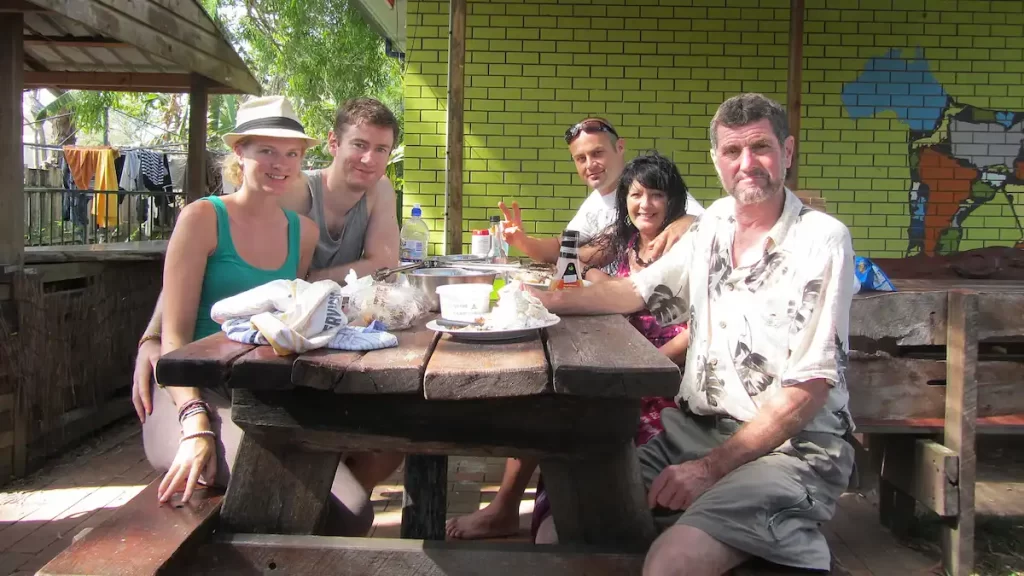
- Communal area – An area where all hostel guests can hang out together. This can range from a lounge area with sofas, a TV and a pool table, to a garden with hammocks or just some tables in the kitchen area. This is one of the best areas to get to know your fellow travellers and make friends.
- Wi-Fi or computing facilities – Back when I started travelling 15 years ago, it was so common to see a communal computer with internet facilities in every hostel. Nowadays Wi-Fi is the more popular option as everyone has their own laptops and smart devices. Pretty much all except the most remote hostels will have a way for you to communicate with the outside world.
- Luggage storage – Before you check-in or after you check out you may need to store your luggage. Normally hostels will have luggage storage facilities either in the form of lockers or a secure room. These may be complimentary or for a small fee.
Sometimes
- Laundrette – Those travelling for a long period will need to wash their clothes but thankfully a lot of hostels have a washing machine and sometimes a dryer that you can use for a small fee.
- Pool – It is absolute heaven if you get a hostel with a pool. Expect this more in hotter countries.
- Bar/restaurant – Bigger, more ‘party’ type city hostels will often have their own bar or restaurant attached. This can be great when you don’t feel like cooking or want some drinks without having to even leave your accommodation. Some even have a nightclub.
- Organised events and activities – In some hostels, the staff will organise events such as nights out, day trips, barbeques, walking tours, the list goes on. These are great social activities and a good way to get to know people, especially if you are travelling alone. Sometimes the hostels will charge a fee to participate in these events.
- Equipment for hire – Some backpacker hostels will offer outdoor equipment to rent. This could include surfboards, bikes, kayaks, scooters or paddleboards. In some hostels they charge for you to rent them, in others it’s free. This is a great way to try something new or to get around an area, especially if it doesn’t cost anything to use them.
- Concierge or travel agent – Hostel staff or another designated person might offer travel services such as booking transport for your onward journey or arranging tickets for local attractions. This is a free service as they get commission from the companies they book you with.
- Shuttle bus – There are hostels which offer pick up and drop off services. This could be to the train station or to local attractions. This bus service might be free or for a small fee.
- Other – There are many other weird and wonderful things you might get in a hostel. I have been to one which had a tattoo parlour and an indoor football pitch.
How will my dorm room get cleaned?
Unlike hotels, your room and bedding is not cleaned everyday. If you are staying for a few days, you will just use the bedding you were given and it will be cleaned after you leave. Long term guests will usually get assigned a day of the week when they will get new bedding. This will often be told to you at the start of your stay or will be on a sign in the dorm room. This may or may not also be the same day that your room get cleaned. A cleaner will usually clean each dorm once a week and it is courteous to remove everything from the floor area so that they can clean the room easily. Again, this information should be relayed to you either in person at check-in or found on a sign in your room or in reception.
What do I do at mealtimes?
Most hostels will have kitchen facilities which allow you to prepare and cook your own meals. Before buying your groceries, it is best to check out the kitchen first to see what facilities it has. Don’t just presume they have the same equipment that you have in your own kitchen. So many times I have decided to buy a pizza for dinner only to get back to the hostel and realise it doesn’t have an oven.
If you want a lazy evening or are feeling like a bit of a splurge, then you can either buy food in the hostel restaurant (if they have one), or head out into town and pick up some food. Even if the hostel doesn’t have a kitchen, you can always buy food that doesn’t require cooking or refrigeration such as bread, fruit and tinned food and take it back to your accommodation. My tip is to always travel with at least some cutlery and a lunchbox for instances when a kitchen is not available.

What kind of people stay in a hostel?
There is more diversity in a hostel than you might think. Yes, the majority of people are probably going to be 18-30 year olds on a gap year, but I have also seen older couples and families staying in hostels. It really does depend on the type of hostel and the location. A party hostel in a modern city will probably attract a younger crowd, whereas a rural hostel in a national park may be filled with older people who are there to enjoy hiking in the countryside.
Will I get on with everyone and make friends?
Absolutely you will make friends and absolutely you will be annoyed by at least one person in the hostel. Sadly, not everyone may be as courteous as you. You may find that the people you are bunking with are messy, loud and just generally inconsiderate. Don’t be afraid to report any unacceptable behaviour to the staff and they will deal with them. Thankfully though most people who stay in hostels are there to have a great time, make friends and swap travel stories.
Want more tips on making friends while travelling then check out our blog post HERE
Should I stay in a hostel?
Absolutely. I believe staying in a hostel is a must do experience for any backpacker. Not only are they a good budget accommodation option, they are also a great place to meet new people. They may not be perfect, but because of this, you will get some hilarious travel stories from staying in one. Hostels come in all shapes and sizes, so you’ll definitely be able to find one that suits you.


2 comments
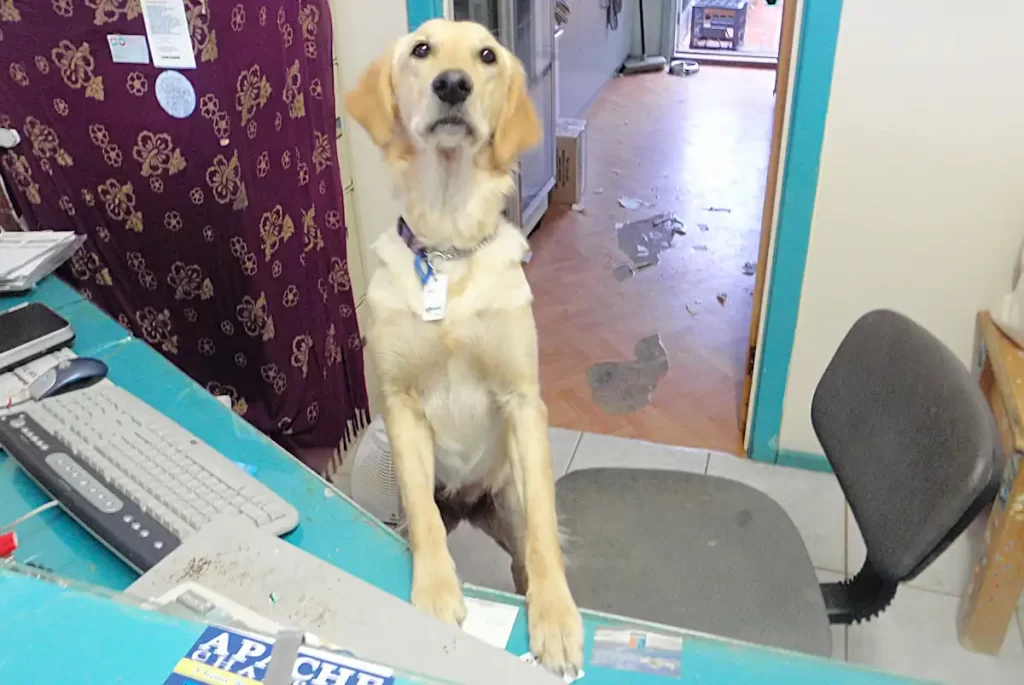
I love the doggy receptionist!!! I would stay in that hostel all the time!! Best hostel I ever stayed in was in Chicago 🙂
I know, how cute was that dog. What was the name of the hostel in Chicago, I’m always looking for recommendations of good hostels to stay in.