A good backpack is one of the most important items you will purchase for long term travel. It holds all of your worldly possessions and will be with you the whole journey through rain or shine. Therefore, it is important to find the right backpack, one that is comfortable and has enough space for all your stuff. But how do you choose the best backpack for a gap year and what should you consider when buying one?
Is a backpack the best option?
Although this blog post is about how to purchase a backpack, you need to decide if travelling with a backpack is the best option for you. You might prefer a suitcase or something else entirely. If you are not sure, then go back and read our Backpack vs Suitcase post to help you decide which luggage is best for you.
What size?
Backpacks come in different sizes and are measures in litres (L). They range from smaller 30 litre daypacks to large ones over 100 litres. The size you will need will depend on how long you are travelling for, how much stuff you have and your strength and height. It might be tempting to go for the biggest one, but remember that the larger a backpack is, the heavier it will be to carry. However, generally anywhere from 60-80L is a good size for a gap year. I personally have a 65 litre backpack and my husband Jon has a 70 litre one and we both found they were sufficient for our gap year.
Can it be adjusted?
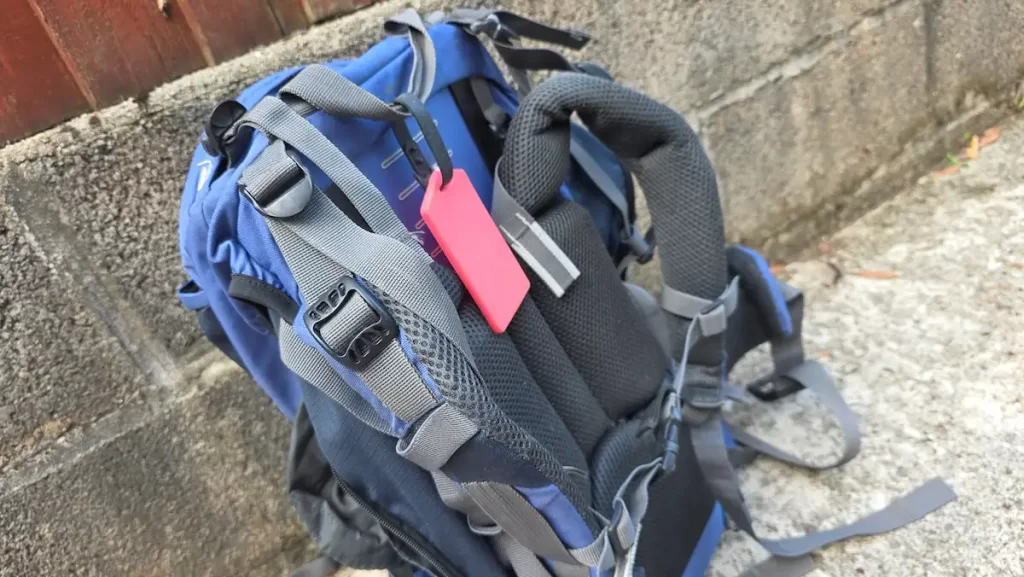
The best gap year backpacks are ones which are fully adjustable. The two main shoulder straps and hip straps should be adjustable to fit people of different heights and shapes. This is essential as a well-fitting backpack is more comfortable and helps reduce injury and strain. There are often other areas where a backpack can be adjusted, such as additional compression straps to minimise the width of your backpack, and adjustable straps which help keep the load close to your body. The more you are able to adjust your backpack to fit your body, the better it will be.
Has it got hip support straps?
Most large backpacks should not only come with shoulder straps, but they should also come with thicker straps which sit across your hips. The reason for these is that they help distribute the weight of the pack across your whole body and direct the majority of the weight to your sturdy hips. This minimises the pressure or ‘digging in’ feeling of the straps on your shoulders. Small daypacks probably won’t have these straps but for large backpacks, like the type which you would take on a gap year, they should always have these to help prevent strain and fatigue on the body.
Is the back breathable?
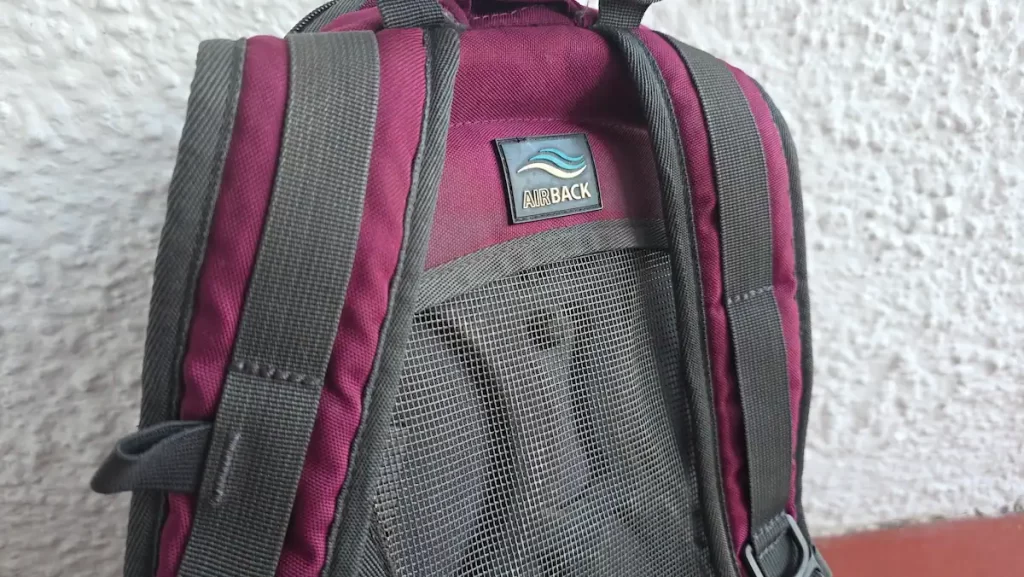
You will be carrying this backpack for a long time and will probably get very sweaty doing it, especially if you are travelling in a hot country. One additional feature which can help is having a breathable back panel. This could either be with a sweat absorbing or cooling material or a suspended mesh which helps hold the pack away from your sweaty back. I personally prefer a rigid mesh which stops the bag from sitting directly on your back and increases airflow.
How many compartments are there?
Having lots of pockets and compartments on a backpack helps keep things organised and prevents you from having to spend ages rummaging through one main compartment. Backpacks can vary in the type and number of pockets they have and it is up to you to choose one which is right for your needs. If you are unsure what you may need, then it might be helpful to consider what you are packing and what items might need to be kept separate from each other.
To help you out, here’s a list of some items which you might want to separate in your backpack:
- Clean and dirty underwear
- Wet clothes
- Shoes
- Food
- Toiletries
- Camping equipment
- Items you need to access quickly or regularly e.g. mobile phone, suncream, bug spray, water bottle, passport
- Rain jacket or additional layers
Is there more than one way into the main compartment?
Generally, a backpack will have one main compartment, then additional smaller pockets. Usually, the main compartment takes up the majority of the backpack space and is accessed from the drawstring on the top of the backpack. Accessing your belongings in this way is fine, but if you want to grab something which is stuffed all the way at the bottom of the bag then this can be annoying. This is where is it beneficial to have a bag which has multiple openings into the main compartment. These could be zips on the side of the bags or an alternative opening at the bottom of the bag for easier access. It is definitely easier if you have a bag with multiple access points to prevent you having to pull everything out every time you need something from the bottom of your bag.
Are there easily accessible front pockets?
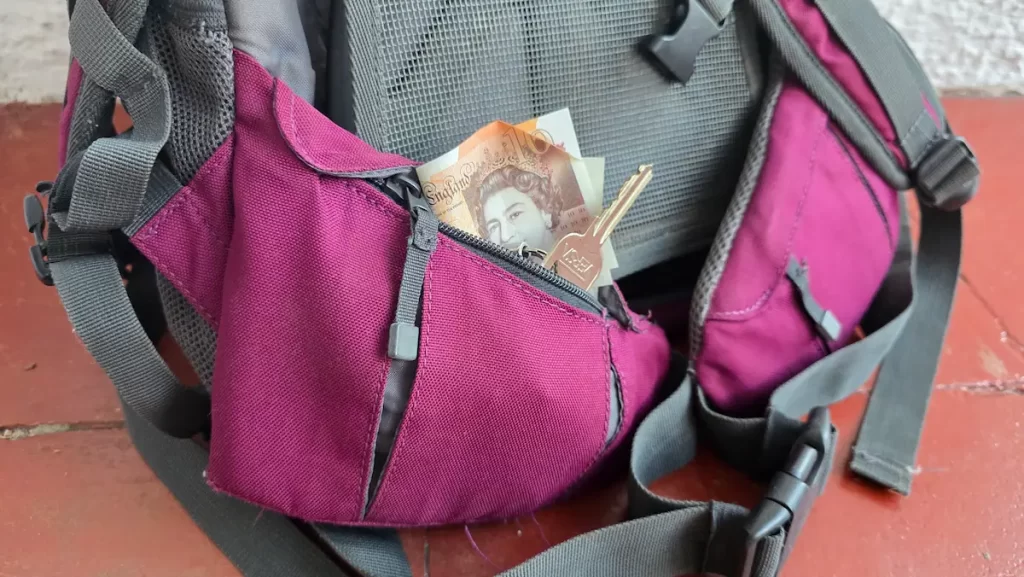
There will be certain items you will need to access quite frequently from your backpack. These could be a camera, passport, lip balm, keys, snacks etc. It can be annoying to have to always stop and take off your pack just for something so small, therefore having several quick access pockets can be a great time savers. Look out for these types of pockets attached to the hip or shoulder straps. They allow easy access to small items without having to remove your pack.
What attachments are there?
Pockets are not the only way to carry your belongings in your bag. Good backpacks also come with additional attachments on the front of the pack to hold all kinds of different items. Common attachments can include a carabiner which allows for things to be clipped on the outside of your pack, straps which can hold a camping mat or sleeping bag, and loops that can hold walking sticks.
Are there any useful extras?
In addition to pockets and attachments, there may also be some other clever hidden features in a backpack which make life easier. This could include a hole where you can thread your water bladder or headphones through, an in-build rain cover or a detachable picnic blanket. Although these are not the most important things to consider when buying a backpack, they can be a nice little addition to make your life easier.
How can it be locked?
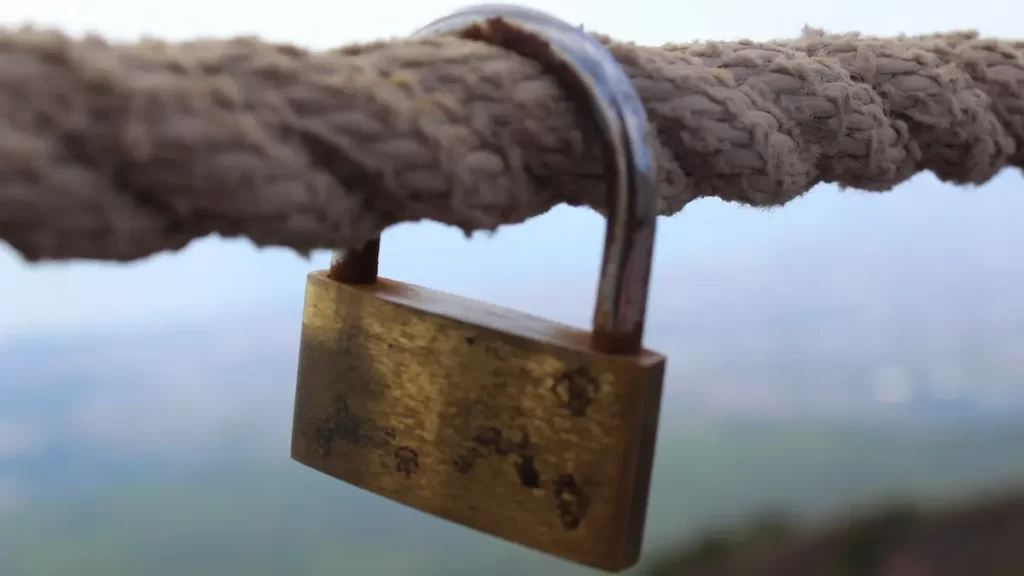
Backpacks are a lot harder to keep safe than suitcases as they can’t just be easily locked with a padlock, due to having multiple compartments. If you want to keep your belongings safe, then store your most valuable items in the main compartment which should be able to be locked with a padlock. Just ensure that the main compartment has double zips with holes in which allows for a padlock to be threaded through. Some backpacks may come with an in-built locking system.
Do you want to be able to wheel it?
Certain backpacks convert into a ‘suitcase’ with wheels and a handle attached. These can be the best of both worlds as you can carry them when needed but they also can be wheeled along. This might sound like the perfect solution to the age old travel question of backpack vs suitcase, however these handles and wheels can add additional weight to the bag and can dig into you when carried if the bag has been poorly designed.
Can you attach a daypack?
A tricky thing about using backpack is how do you also carry your daypack or handbag at the same time. Luckily there are some backpacks which come with a removable daypack. When you are carrying your backpack, the daypack is just zipped onto the main bag allowing your hands to be free. But once you get to your destination you can just remove the daypack and use that as your everyday bag. This can be a useful feature. Just make sure that the daypack is suitable for what you need. Also check that it doesn’t eat into the size of the main backpack or that it causes the backpack to become too wide or unbalanced when attached.
Is it comfortable?
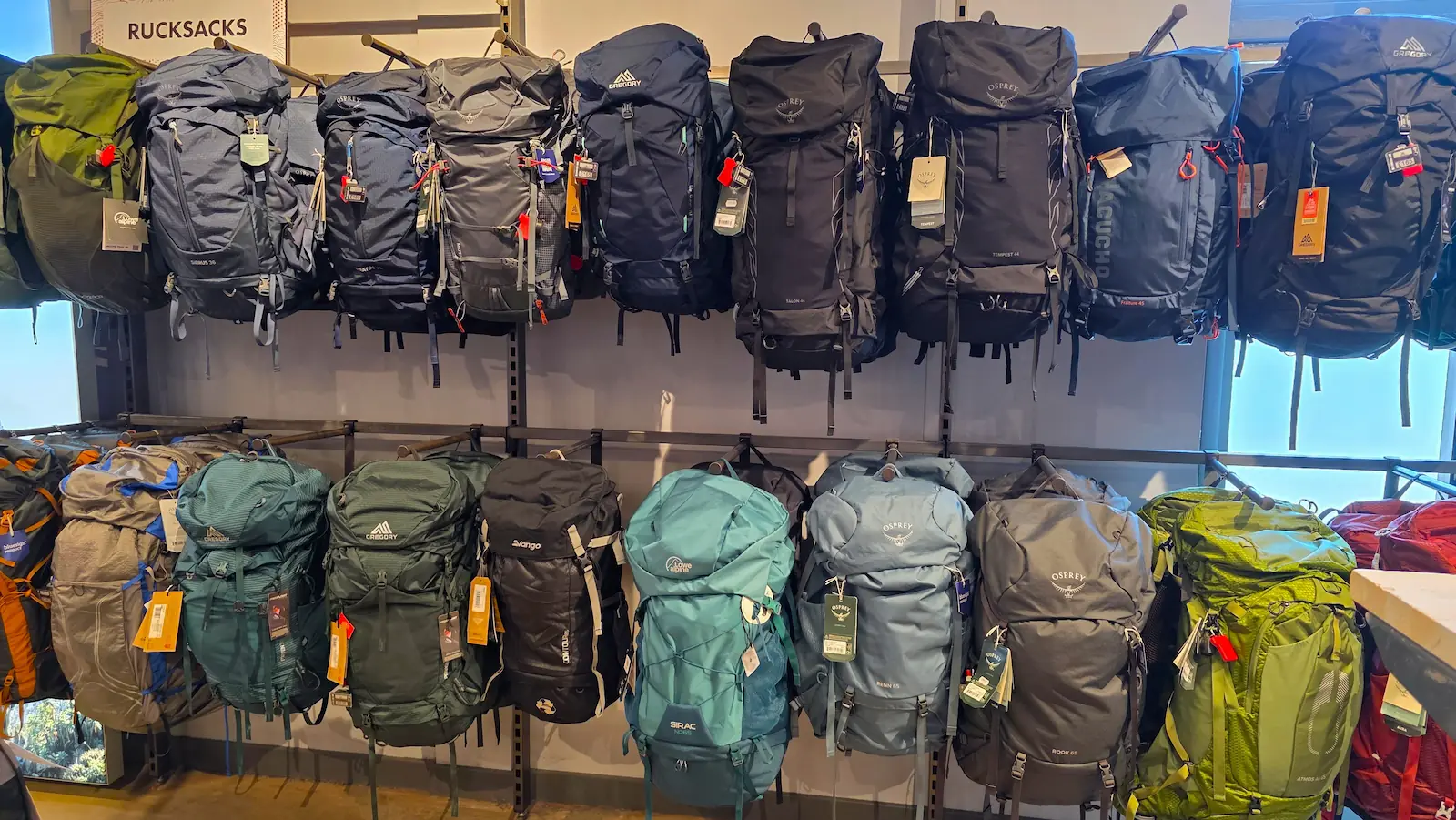
One of the most important things to consider when choosing the best backpack for a gap year is whether you find it comfortable. You will be carrying this bag for miles in all weathers and so it is important to ensure that you will be comfortable carrying it and that it doesn’t put any adverse strain on your muscles or joints. When buying a backpack it is important to try it on in the shop as it can be difficult to find the right fit for you when purchasing online. Set aside some time to test the bag out. Wear it around the store with some items in it to see how it feels on your body. Try walking up and down the steps if they have some and also bend over to see if it stays rigidly attached to your body or whether it flops around. Good luggage or camping stores will know how important it is to make sure your backpack fits, so they won’t be annoyed or think that you are weird if you spend a long time walking around with one on. They should even encourage it.
Even after purchasing, it is a good idea to keep the tags attached and to continue to test the bag out in your own house. Put heavy items in your backpack, or better still, pack the bag with exactly what you will be taking with you. Then walk around your house for as long as possible and see how it feels. It will take you a little while to get used to the backpack, especially if you have never worn one before, but it should never feel painful or that it digs into your shoulders. If there are any issues at this stage then you can just return it to the shop as long as you haven’t damaged it in anyway, the tags are still attached and that you have kept the receipt.
Can you carry your backpack?
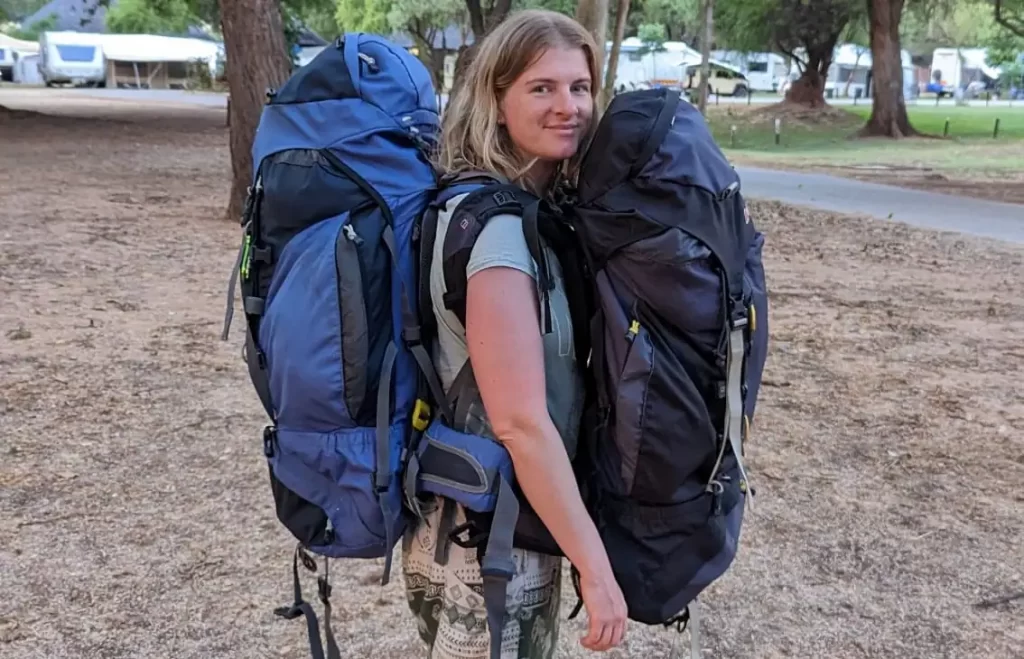
Following on from the above point, you need to make sure that you physically can carry the weight of a backpack. A backpack for a gap year can weigh between 15-20kg which is a lot of extra weight on your back that you may not be used to. Don’t expect to be able to carry it comfortably immediately, especially if you are not in peak physical fitness. Instead, built up the weight gradually in the months leading up to your departure. You can add weight in increasing amounts over the course of several weeks and go on shorts walks to get your body used to carry a backpack. Then, by the time you are ready to depart you should be able to carry it without issue.
What is the best brand of backpack for a gap year?
There are many different brands of backpack available to you. This is not a review blog post, and I personally have only ever had one brand of backpack so sadly cannot give you any specific recommendations on which brand to use. However, there are plenty of websites out there where you can read reviews, so if you are considering a particular brand just do your research and check what people think about it. I have had a Berghaus backpack for 15 years and have been on many trips with it without issue and it is still in one piece even after all these years.
Where to buy a good backpack in the UK?
There are many places where you can buy a good backpack in the UK which also allow you to try them on. Here are some of my top recommendations.
- Go Outdoors
- Millets
- Blacks
- North Face
- Cotswold Outdoor
- Trespass
- Mountain warehouse
- Independent camping and hiking shops #supportlocal