
In this modern day, people own thousands of pounds worth of technology, clothes and accessories. From smartphones to designer trainers and handbags, we all have valuable possessions and may want to take those things abroad with us. Sadly though when moving around from place to place some things can get lost, stolen or broken, leaving us with a dent in our wallets and our hearts. The problem is though how do you keep your valuables safe while travelling the world?
Here are 17 top tips to help keep your valuables safe while travelling.
1. Do you need to take it?
The first thing to consider is whether you really need to take these things with you when you are travelling. Unless you are selling your house and don’t have anywhere to leave your stuff until you return, it is safer to just leave valuables at home. You will be surprised at how little you will actually end up needing to take with you. Before I first went travelling, I would straighten my hair religiously but unfortunately couldn’t fit my fancy GHD straighteners in my backpack and had to leave them behind. As soon as I was away and was roughing it camping I didn’t even think about needing to style my hair, so it was good that I left them behind.
2. Research the country
There is nowhere in the world that is completely 100% safe, however there are countries which have a much higher crime risk than others. One way to find out about a country is to check the FCDO website before travelling. This informs you if the country is safe to travel to and whether there is anything important to know which can affect your personal safety. Knowing how safe a country is can help you make an informed decision about whether to travel there or not. It can also make you aware of the most common types of crimes in the area that you are travelling to e.g. pickpockets, so that you can prepare yourself and your possessions accordingly.
Want to know more about the FCDO and why it is an essential rescource for every British backpacker travelling abroad, then check out our blog post HERE.
3. Lock your valuables away
In many hotels there will be an in-room safe. This is the ideal place to store your valuables while travelling. If there is not a safe in your room, then there might be another secure area to store your valuables such as a locker or a secure area only accessed by staff.

4. Carry valuables
If there is no safe or locker in your room and you are in shared accommodation, then it is wise to always carry your valuables with you. This means that you can keep an eye on them and know that no one will be trying to steal them back at your hostel. Carrying your most valuable possessions with you is only suitable when there is more of a chance that they will get damaged or stolen back at your accommodation or if left in a vehicle. If you are walking around in a high crime area then leaving your possessions stored in your car or room might be the more sensible option.
5. Keep valuables hidden
When carrying valuables on your person, make sure to keep them tucked out of sight, especially if you are in a more dangerous area. This might be using a money belt for your cards and currency or hiding your expensive watch in your handbag, rather than on your wrist. The same goes for if your valuables are in your bag. Make sure they are tucked away at the bottom of the bag and that all your bags have zips so that it is harder for thieves to steal.
If you are leaving valuables in a car or room, then tuck them out of sight or lock them away. Advertising how much expensive stuff you have, can often attract the wrong kind of attention and increase the chances that someone might steal from you.
6. Don’t carry more than you need
Constantly travelling from place to place can increase the chances of items getting lost along the way. Smaller items that you don’t need on a daily basis such as spare SD cards or batteries, which can get easily lost, might be safer being left in your bag back in your accommodation rather than always carrying them on you.
7. Don’t leave stuff unattended at the beach
The beach is a relaxing place, but unfortunately is it also a good place for people looking to take unattended items. I am speaking from experience as my husband Jon had his entire bag, which included all his documents, credit cards and money, stolen from a beach. Beaches are difficult as it’s hard to know what to do with your stuff when you want to have a dip in the sea.

There is no one perfect solution for keeping valuables safe while at the beach but here are a few ideas:
- Don’t take more than you need – Don’t go taking things like your passport or expensive jewellery to the beach, unless you know it is going to be more risky to leave it in your accommodation.
- Use lockers if they have them
- Have a friend watch your stuff
- Keep your belongings close to the water
- Watch your bag when you are swimming – This is not fool proof as someone can snatch your bag quickly before you can even get out of the sea. But keeping your eye on your bag means that if someone suspicious is lurking around it, you can get out and check on it.
- Hide valuables – There are plenty of ways to hide your valuables at the beach. This could be a secret pocket in a bag or a towel, or I have even seen valuables hidden inside an empty suncream bottle or wrapped in a nappy.
- Ensure anything visible is something that won’t be taken – This could be putting a really cheap worn out t-shirt on top of your stuff, or a magazine, or packet of crisps, so that people just think that there is nothing worth stealing.
8. Locks are key
Everything expensive you own should be locked in some way. Laptops and smartphones should have passwords on them to prevent any unauthorised access. Suitcases, backpacks, vehicles and bikes should be locked with a padlock or key to prevent theft. Even though every lock can be broken, it definitely acts as a deterrent to a lot of people who might just be opportunistic and want to take your belongings or steal data from your computer.
9. Travel with a friend
Travelling with another person is an effective way of helping to keep you and your valuables safe while travelling. If a thief sees there are two or more of you, they might be more reluctant to steal anything. Also, a friend can watch your stuff if you are going for a swim at the beach or are going to the toilet on a train.

10. Use tags
A simple way to prevent your bag from getting lost is to use a luggage tag. These inexpensive items are so essential while travelling because should your bag end up on the wrong plane, train or bus, they can track you down and return your bags to you. If you want to take it one step further then you could also include a GPS tracking device to attach to your belongings such as an Apple AirTag, or track your technology through one of the many ‘find my device’ apps.
11. Check you haven’t left anything behind
It is so common for items to be lost while travelling as you are constantly moving from place to place. Therefore, it is so important that you double check when checking out of your accommodation or getting off public transport that you haven’t left anything behind. Some common items which can be easily forgotten include phone chargers, SD cards/USB sticks, passports, jackets, food, headphones, and clothes hung on washing lines.
12. Separate out your money
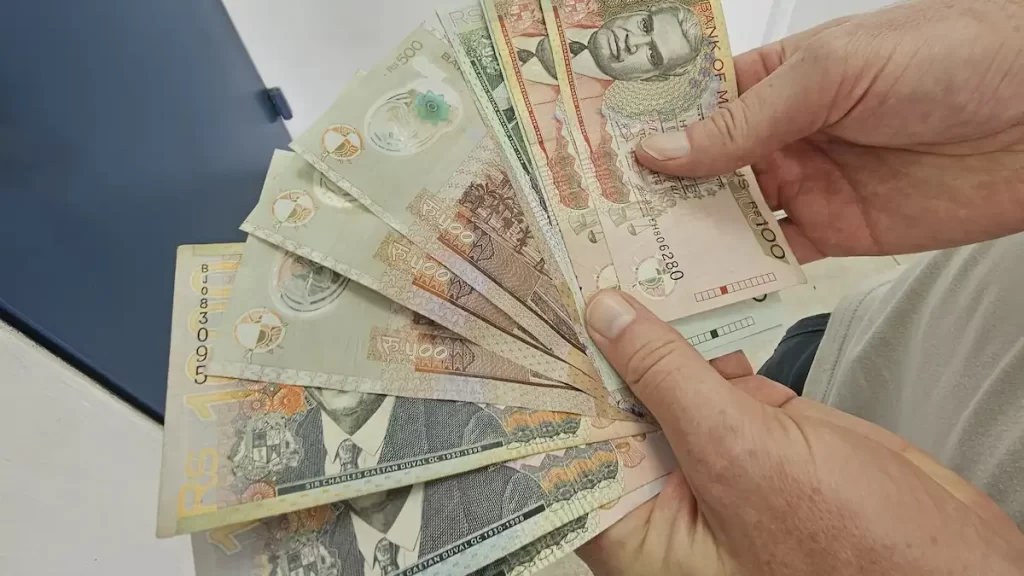
When backpacking it is essential to separate out your cash and cards into different places so that you always have a backup should something go wrong. Carry some cash and cards on your person but then have some spare in your main luggage. Likewise, if you are travelling with a friend, they could hold onto some of your currency or cards and you could hold onto theirs. This way if one of your bags went missing or got stolen, then you still have some spare money.
13. Have paper and electronic copies of documents
Most travel documents these days are electronic with the exception of the passport. It can be tempting to think that because you have these electronic documents you don’t need anything printed. But what happens if your phone gets lost or runs out of battery or can’t get signal, then how can you access these things. This is why paper documents are so important as they are a great backup if something goes wrong. Likewise with physical documents e.g. passport, you should take a photo of it and also have a paper copy. You won’t be able to travel with these copies, however they are so useful if something happens to your real passport and you need to provide passport information to the police or passport office. You could also take multiple copies of paper documents, one for your carry-on, one set in your main luggage and another to give to your travel buddy to hold onto.
14. Back up photos
Valuables doesn’t just have to mean something with a high monetary value, it can also be something sentimental and irreplaceable like all of your holiday photos. Therefore, it is important to ensure that you back up your photos regularly. This could be on a USB stick or hard drive, or by uploading them to the cloud or to social media.
Read our blog post on the best way to back up photos while travelling.
15. Use a phone strap
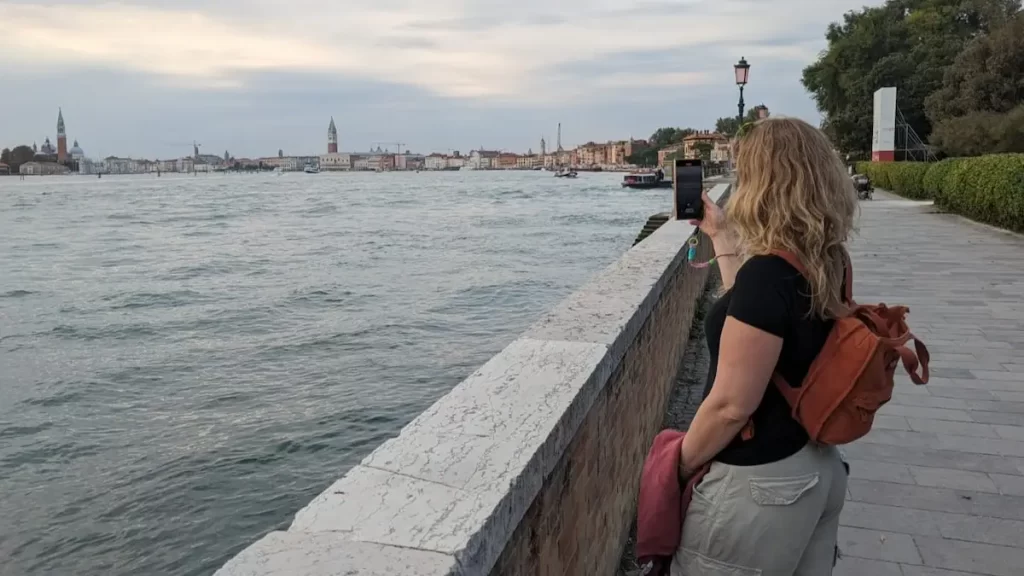
Handheld electronics such as a phone or camera can be easily dropped, especially when they are being taken in and out of your bag all day. Using something as simple as a strap can stop them from being dropped. This is essential if your travelling will involve being on a boat or taking photos from high up, where dropping your tech in these situations can be devastating.
16. Waterproof your belongings
A sudden downpour, a bumpy boat ride or an outing at a waterpark can damage your possessions. To reduce the risk of water damage you should ensure that your bag and technology is made as waterproof as possible. This could include buying a raincover for your backpack, travelling with an umbrella or using a waterproof phone case while out on the ocean.
17. Travel insurance
Sometimes no matter how hard you try to protect your belongings, things happen and stuff gets lost, stolen or damaged. This is why it is important to always have travel insurance which protects your possessions for every eventuality. While it won’t get back all those wonderful photos which were on the smartphone that you lost or replace the emotion that you felt when looking at your wedding ring, it can compensate you financially. Just check the fine print of any policy before purchasing it, to check what you are covered for and up to how much.
Click HERE to read more about the importance of travel insurance and what to look for when buying it.