
If you are planning a big holiday or gap year abroad, but are not sure what to do when, then this trip planning timeline can help you out. It lists everything you need to organise and when to do it to help you easily plan and prepare for your adventure.
This trip planning timeline is a rough guide aimed at backpackers and gap year travellers who plan on booking at least a year in advance. If you booked your trip last minute or are going on a short holiday, then you may only have a few months or even weeks to organise everything. If this is the case, then adjust the timeline accordingly.
9-12 months before
This first stage of the trip planning timeline focuses on research, budgeting and booking the biggest elements of your trip.

- Research and get inspiration – If you want to embark on a big adventure but don’t already have somewhere in mind, then start by taking some time to do some research. Read books, watch documentaries, speak to friends or use Google just get some inspiration. If you’re not sure where to start, then check out our favourite travel planning resources for backpackers.
- Make decisions – At the start you will need to make some basic decisions like where are you going to go to, how long for, who will you travel with and what type of trip you want it to be. Only once you have a rough idea of what you want to do, can you then move onto getting things booked. Read key things to consider when planning your first backpacking trip for further help and advice.
- Budget – Working out how much you will need for your trip can be tricky. It depends on whether you do this step before or after you have booked the major components like flights and accommodation. If you haven’t yet booked any flights, transfers or accommodation, then it’s best to do some research first to work out the rough cost of those, then you can work out how much you will need to budget for when you are actually away. The website Numbeo is a really useful tool for helping work out budget. It contains information on everyday items and accommodation for countries all across the world.
- Start saving – Once you have your trip roughly planned out and you have figured out a budget, then start saving towards it. You may want to take extra shifts at work to earn more money, move into cheaper accommodation to help save, or find a way to invest your savings to make more money.
- Check the FCDO – It is important to ensure that any area you plan on travelling to is safe to do so. An easy way to do this is to check the Foreign Commonwealth and Development Office (FCDO) website to make sure there are no travel restrictions on the countries you intend to visit. It also is a useful tool for finding out other things about the country you intend on visiting such as visa requirements, health and safety and money.
- Book the main components – When you are starting to organise your trip you should ensure to get the main elements booked first. Flights and accommodation are two of the most important and expensive elements. It’s important to book these sooner rather than later, as flights can sell out or become more expensive the closer you get to the date of departure. As these are often the most expensive part of a trip, once these are booked it is easier to work out a budget for the rest of the trip. Flights can normally be booked up to 9-12 months in advance. You may choose to prebook accommodation for the whole trip, or just the first few nights. If you plan or travelling using other methods such as a cruise ship or organised tour, then you should also get these booked as far in advance as possible.
- Buy travel insurance – As soon as you book any part of your trip, you should also buy travel insurance to ensure you are covered from day 1 should there be any cancellations or issues with the company you booked with. If you are not sure where to start when looking for travel insurance then read our blog post which explains all about the importance of travel insurance and what to consider when purchasing it.
6 months before
At the 6 month mark in the trip planning timeline you want to be thinking about anything else you may need to book and pay for.
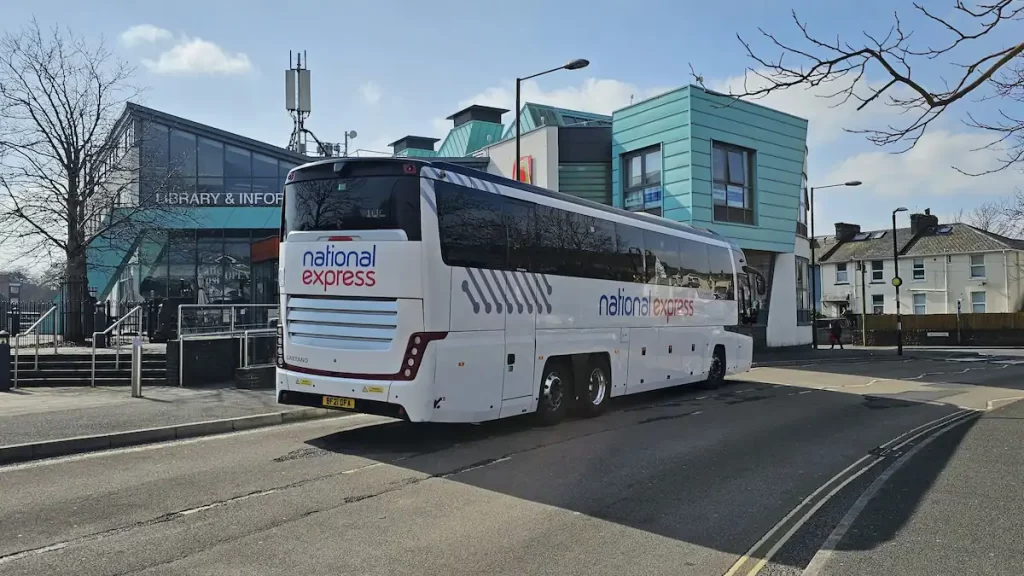
- Book any extras – Once the major stuff like flights and accommodation are booked, you want to think about booking all the little extras. Additional things that you may need to book include transfers, airport parking, excursions and airport lounges.
- Check the passport and visa requirements – The FCDO website can provide information on passport and visa requirements for the country you are travelling to. This is a good time to renew your passport if needed and to apply for a visa, especially if it has a long processing time or requires travelling to an embassy.
- Organise work or volunteering – For those going on a working holiday, you may want to job search prior to arriving so that you have work secured when you land. However, this is not essential if you have enough funds to support yourself while you look for work. If you are planning on volunteering abroad, then you will need to research and organise where you will be going.
3 months before
Hopefully by this stage everything will be booked and you can focus on all the extra things you may need for your trip.
- Get vaccinations and medication – Research whether the country you are going to requires you to have vaccinations or take any malaria tablets. Some of these vaccinations and medications requires starting treatment several months before departure, so make sure you leave enough time to complete the full course. You can check what preventative treatment you may need at Travel Health Pro.
- Buy anything you need for the trip – Purchasing everything for a big trip can take time. You may need to shop around to find the perfect backpack, the comfiest hiking boots or the warmest sleeping bag, so allow yourself a few months to get everything you need. Check out our ultimate gap year packing list if you are not sure what to take.
- Learn the language – One of the best ways to navigate a new country, fit in and make friends is to learn the language. To really get to grips with it, it’s best to start learning a few months before you leave. There are lots of apps, books, podcasts and classes available, so find a learning style which suits you.
- Test out your equipment – If you have purchased lots of new items for your trip such as a tent, backpack or hiking boots, then it’s important to try them out before you depart. Go on walks wearing your boots and carrying your backpack to ensure they are comfortable and so you get use to the weight and how everything will feel. Also check that other items such as camping equipment or electronics work fine as the last thing you want to do is go away and discover a faulty item.
1 month before
The trip is getting close now. With only 30 days left you need to ensure that everything is ready. Don’t leave things until the last minute.
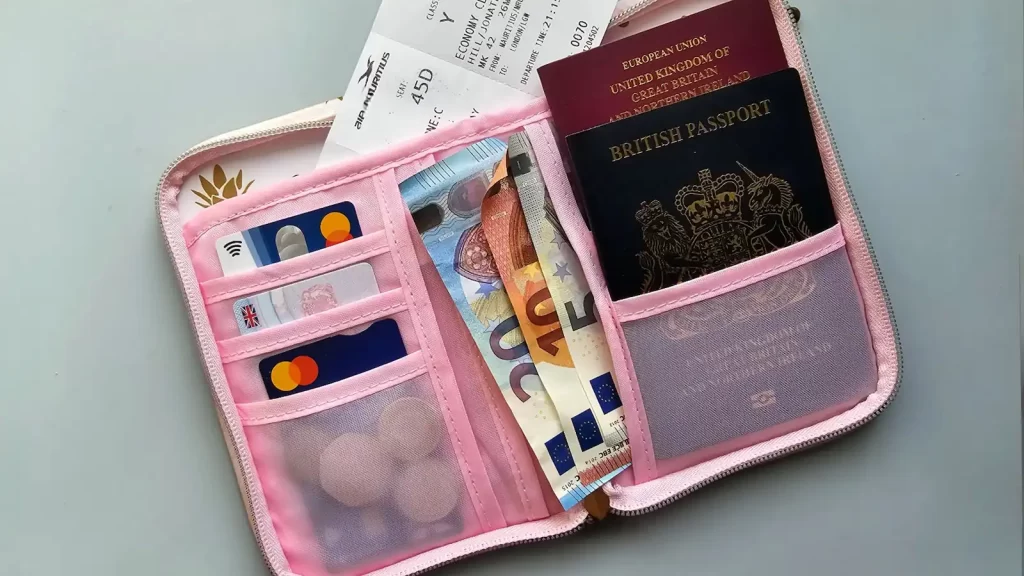
- Get a visa (if you haven’t already done so) – Depending on the timeframe for visas, you may want to apply for this further in advance (see 6 months section). If it’s a straightforward visa, then you can leave it until a few weeks or sometimes just a few days before you depart. Some places will allow you to get a visa on arrival or you may not need one at all, so applying may not be necessary for all countries.
- Buy currency and organise money cards – Figure out how you plan on spending money when you are abroad. Are you going somewhere that takes credit card or will they only take cash? Will your current card work abroad without charges, or do you need to purchase a travel money card? Even if you can use a bank card in most places, you will probably also need to take some foreign currency for smaller purchases or if travelling to remote areas. If it’s a major currency like US dollars or Euros, then you can probably just pick some up the week before you leave. But, if it’s slightly unusual then it will have to be ordered in advance which can take several weeks.
- Get your mobile phone sorted – How will you be communicating with people back home? Will you be using your existing phone or do you have to get a new sim for the country you are travelling to? Look into this before you depart to find out whether you need to set something up before you leave, or whether you can just get a sim when you are away.
- Check in for your flights – Some airlines allow you to check in up to 30 days before the flight. If this is the case, then you can go ahead and get checked in and obtain your boarding pass. If not, then you can still add the advanced passenger information (API), such as passport numbers to your booking to speed things up come check in time. You can also pay for any extras you may want such as meals, additional luggage or selecting your seat.
- Organise a house or pet sitter – Don’t forget to organise someone to look after your house or pets if needed. If you are planning on selling everything and moving before you leave, then you will need to organise this a lot sooner.
1 week before
The final week is the last chance you have to pick up anything you might have forgotten and to get everything wrapped up ready to go away.
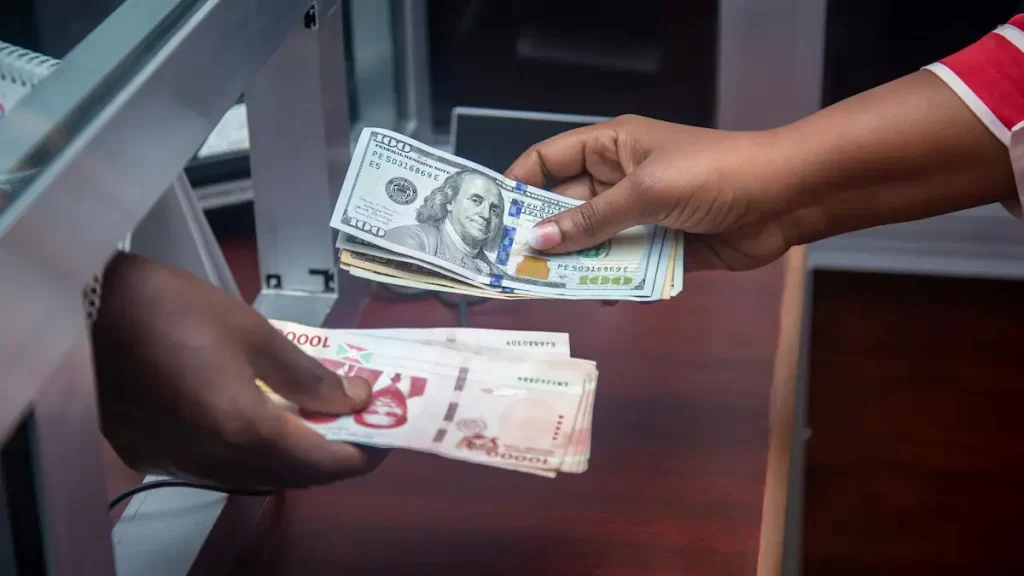
- Collect currency – Collect any preordered currency or buy any last minute currency you may need.
- Cancel subscriptions – Going away for a long time? Then you may have subscriptions or other monthly payments which need cancelling. Think Netflix, magazine subscriptions, utilities, phone contracts, gym memberships etc.
- Inform your bank you’re going abroad – A lot of banks these days do not require you to notify them of going abroad, but it’s best to double check. Some may require you to inform them and provide a list of countries you are visiting and the dates you will be away. If you don’t, they may presume your card has been stolen and could freeze your account for security. Not ideal if you then can’t pay for anything when away.
- Inform anyone else of going abroad – Think about if there is anyone else you might need to inform before you head off on your travels. It is difficult to provide a full list because everyone’s personal circumstances will be different. But consider things like informing the vets if you have someone looking after your pets while you’re away. Your mortgage company if you have decided to rent out your house or perhaps your accountant or tax office if there will be changes to your income or business.
- Store possessions and redirect post – For those going away for a long time, you may need to store some of your belongings until you return. Use this last week to finalise putting any possessions into storage or giving them away. Also don’t forget to redirect any post you may have from your old address. You may want it redirected to a neighbour, friend or family member.
- Start taking malaria tablets (if required) – Some malaria tablets require them to be taken several days before entering the malaria zone. Double check the instructions or consult your doctor to confirm when you need to start taking them. If you are unsure whether you need malaria tablets, then consult Travel Health Pro for advice.
- Buy any treats for your journey – Long journeys can be boring, so stock up on books, magazines and snacks to keep yourself entertained.
- Print off any documents – Most documents can be now accessed online. However, if you plan on travelling remotely where there is little internet access then it is worth taking paper copies as a backup. A copy of your passport, driving licence and travel insurance information is important to have, but you may also want to consider printed copies of any tour, excursion or accommodation vouchers.
1 day before
We’ve reached the final day and the end of this trip planning timeline. All that’s left is to ensure that you have everything packed and sorted ready for tomorrow.
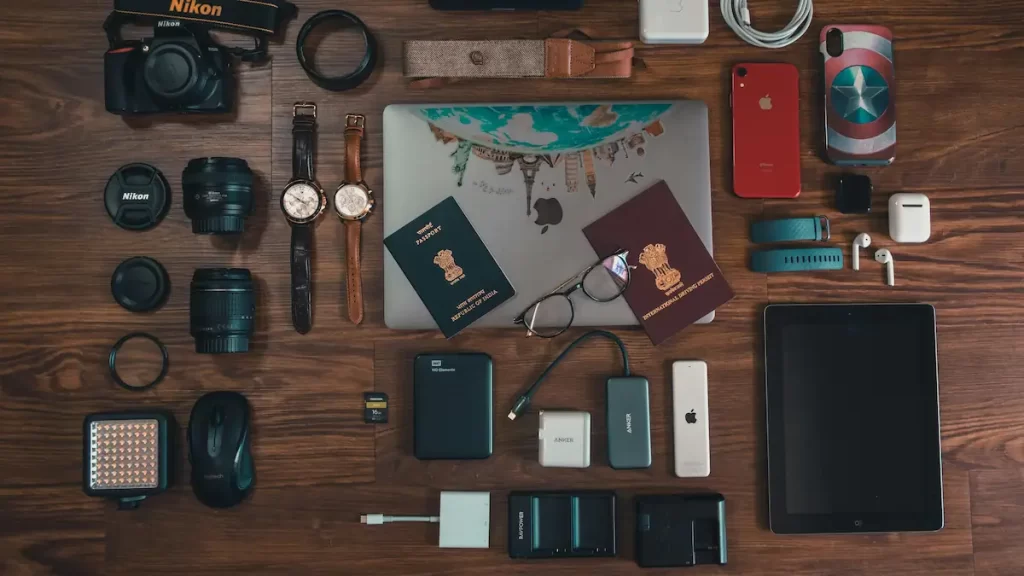
- Check in for your flight (if you haven’t already) – Certain airlines only allow check in 24 hours before departure. Some airlines will charge you to check in at the airport, so to save money, always check in online. Checking in online also speeds things up at the airport.
- Check you have everything packed – Check you have all the essentials you need for your adventure, most importantly your passport, as you can’t go anywhere without that. I suggest making a packing list in advance, then the day before, you can refer back to it to ensure you haven’t forgotten anything.
- Charge all electronic devices – In this modern day we have lots of things that need charging from Kindles to laptops, headtorches to headphones. Make sure everything is charged and ready to go for your journey.
- Make your car travel ready – If you are driving to the airport or going on a road trip then ensure that your vehicle is all ready to go. Are the tires inflated? Have you filled up with fuel? Is the screen wash and water topped up? If you are driving abroad then also make sure that you know the rules of the road and check that your car is all set up to drive abroad.
- Download entertainment for the journey – Once you get on the plane, you often don’t have Wi-Fi. So, if you want to watch movies or listen to music on your device then make sure you download anything you want before stepping onto the plane.
- Do household tasks – Water plants, empty fridge, put bins out, washing up, clean house and any other tasks you can think of.
- Check the FCDO one last time – Double check that nothing has changed which can prevent you from going on your trip.
0 days to go
The wait is over! You can now enjoy your adventure which you have worked so hard to plan.