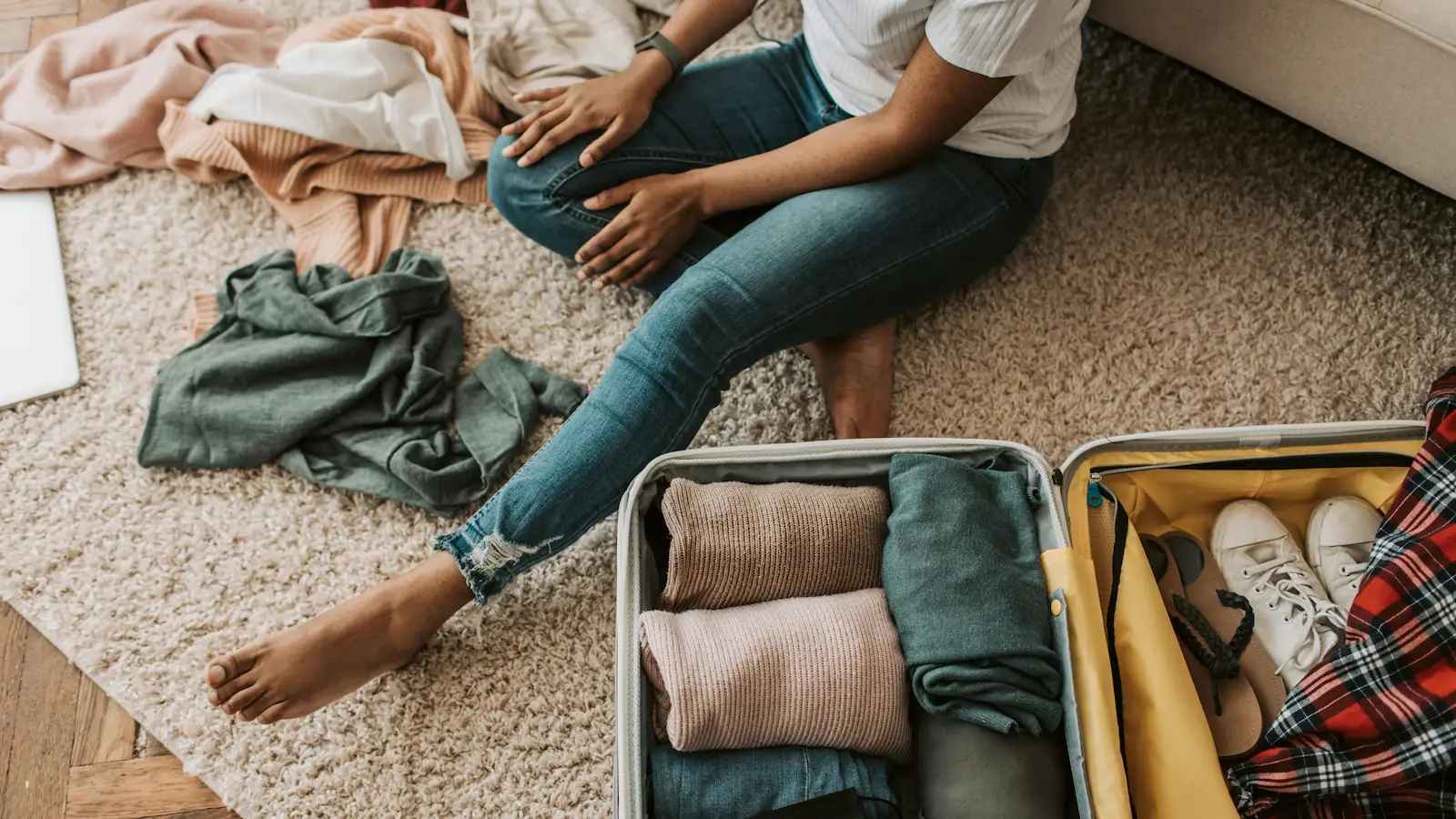
Packing for a gap year abroad can seem daunting, especially if you have never travelled for a long period before. You may panic about what you need to take and whether you will have enough space in your bag. There are items you may pack which you never use and essential things you might forget. But fear not, I have complied the ultimate gap year packing list which will help you remember all the essentials and give suggestions on extra things to pack which you may not have considered. Plus, bonus packing tips to help maximise space in your bag.
Obviously, every person is different, and every trip will be different. You may not need to pack everything on this list, but it’s a good starting point when thinking about what to pack for your gap year. This list is written for someone embarking on a traditional gap year trip abroad. While it does include items to pack for certain activities e.g. hiking, swimming, it isn’t aimed at specialist trips. So, if you are planning on hiking Mount Everest, then this might not be the packing list for you.
Clothes
Depending on your gender identity and your own personal style will depend on what clothes you may want to take. This clothes section includes items for both men and women but pick and choose what is relevant to you.
Hot weather
- Shorts – There are many different types of shorts (cycling, loose fitting, denim etc). I personally prefer cycling shorts as they are quick drying and multipurpose. They can be worn when exploring a city, going to the beach or going for a run.
- T-shirts – 3-4 should be plenty depending on what else you are packing. If you plan on taking other summer items e.g. dresses, vest tops etc, then you may not need as many t-shirts.
- Crop tops/vest tops/boob tubes – Whatever your style, you may want to take something smaller than a t-shirt for those extra hot days when you want to work on your tan.
- Long dress – A useful item to pack if travelling to hot countries where you may need to cover your arms or legs. Also good for nights out or situations where you might need smarter clothes.
- Lightweight trousers (bonus if they are zip off) – Linen, hareem trousers, hiking trousers, are all good options good for countries which require modesty, or when you are trying to protect yourself from the sun or thorny bushes when hiking. Zip off trousers are a useful space saving item and perfect for hiking as you can zip off the legs to turn them into shorts when you get hot.
- Lightweight shirts – Good for protection from the sun and for covering up your shoulders and chest in conservative countries.
- Kaftan/sarong/short dress – A simple item of clothing which can be thrown over a bikini at the beach.
- Lightweight jacket/jumper/hoodie – Even in hot countries, it can get cooler in the evenings. A thin jacket, hoodie or jumper that you can throw on in the evenings is useful to pack.
Cold or wet weather
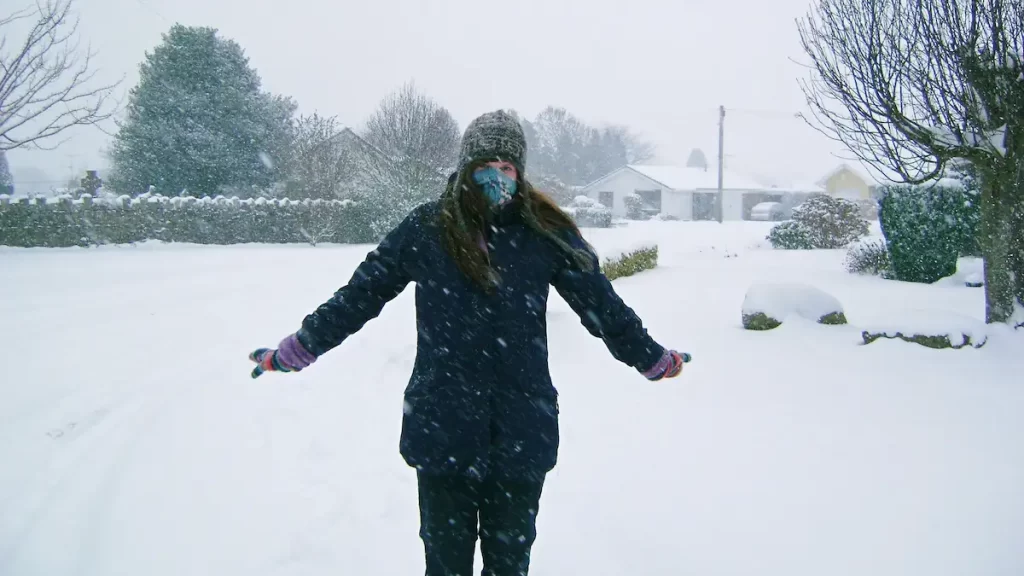
- Thermals – For very cold climates, a set of thermals will help keep you warm without taking up too much space.
- Lightweight packable rain jacket – A packable rain jacket is useful to have for those instances when you are hiking or when a thick coat is not needed.
- Warm coat – A good quality coat will be so important in keeping you warm on your travels. Look for one which packs small or a 3 in 1 version which can be layered or unzipped allowing for flexibility at any temperature.
- Jeans – Jeans are a classic staple in any wardrobe. The downside with jeans is that they are quite bulky and can take up a lot of room in your bag. However, they are a good multipurpose item as they can be dressed up or down and are hard wearing. So, it’s up to you whether you want to take these or not.
- Leggings – Leggings are another classic staple. They can be worn when sightseeing, doing sports, or as an extra layer under trousers to keep you warm. I usually go with black as it’s a classic colour which can go with anything.
- Thick jumper/hoodie – Pack a warm layer which can sit over your T-shirt and under a coat, like a jumper, fleece or hoodie.
- Long sleeved top – This is not essential, especially if you already plan on packing thermals, however if you are someone like me who feels the cold, then a long sleeved top can be a great additional layer to keep you warm.
Underwear
- Socks – You might want to take a variety of different types of socks e.g. trainer, full length, thick hiking socks etc.
- Flight compression socks – Flight socks help increase circulation and reduce the risk of deep vein thrombosis on long haul flights. Worth packing if you think you might be at a higher risk.
- Knickers/boxers – I usually take about 10 pairs. This is enough to see you through a week until laundry day, with a few spares.
- Bras – I personally think bras can be worn for several days, but other people wash theirs every day, so pack as many as you think you will need to last about a week.
- Sports bras – For larger chested ladies a good sports bra is helpful to have, especially if you plan on taking part in sports or extreme activities.
- Anti-chaff shorts – If like me you suffer from thigh chaffing in hot weather, then anti-chaff shorts can help prevent your thighs rubbing together under dresses or loose trousers. My favourite are from M&S and they come in lots of skin tones.
- Tights – Can be great under trousers in cold weather or underneath a dress if it’s a bit too cold to get your legs out.
Miscellaneous clothing and accessories
- Pyjamas – It is important to wear pyjamas in shared accommodation. Hostels are normally quite warm, but camping is going to be colder. If you’re not sure where you will end up staying throughout your trip then best to pack two pairs, one for warm weather, one for cold weather.
- Something smart – There may be times on a gap year when you need smarter clothes such as going to a fancy restaurant or on a job interview. Think about what type of clothes you may need. Would you need a smart shirt or black trousers for an interview? Do you need some tailored shorts or a evening dress?
- Swimwear – It’s a good idea to pack at least one item of swimwear. Even if you are not going to a beach destination you may need it for instances such as waterparks, hot tubs or swimming pools. If you know you are going to be swimming regularly, then a second piece of swimwear is useful so that you don’t have that uncomfortable situation of having to put a wet swimsuit back on. Also think about the types of activities you may be undertaking. There is no good only packing skimpy bikinis if you are also planning on doing water sports or going to a waterpark. A one piece, sports bikini set or rash vest might be the better option to avoid any accidental nip slips.
- Winter hat, scarf, gloves – Don’t forget winter accessories if you are travelling to a cold climate.
- Baseball cap – A summer hat is a must for protecting yourself from harmful rays.
- Sunglasses – I’d recommend packing two pairs of sunglasses as they can get easily lost or broken. Even more important if they are prescription sunglasses.
Shoes
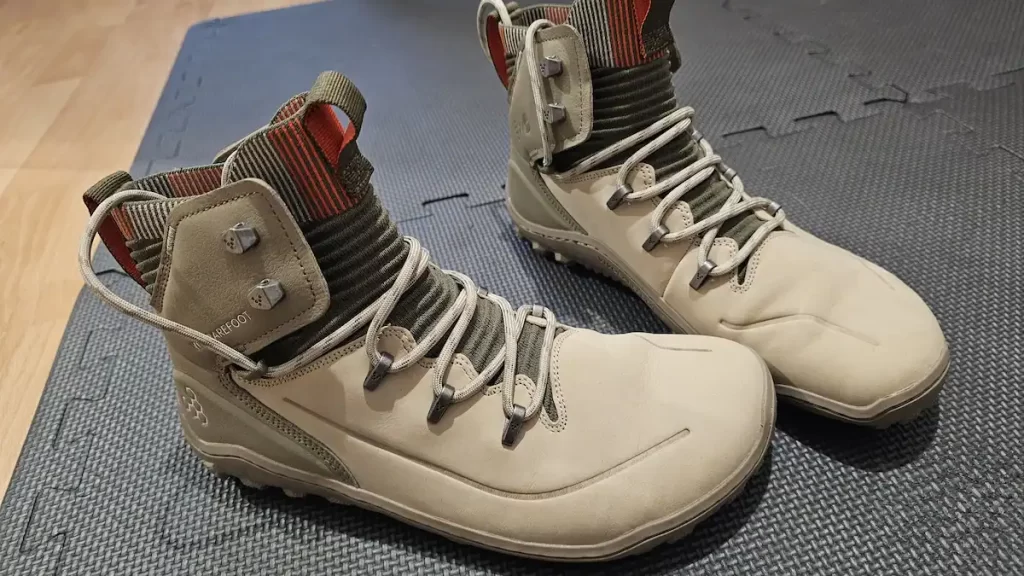
- Hiking boots – A sturdy pair of walking boots will save your feet on long hikes, but make sure you break them in before your trip. They can take up a lot of room in your backpack, so I usually tie them to the outside of my bag to save space.
- Sandals or flip flops – Think about what you want to wear on your feet in hot weather or at the beach. This could be a sandal or flip flop or something else. As shoes take up a lot of room, think about the type of shoe you choose. Could you pack a pair of hiking sandals that would also be suitable for the beach? What about a glittery pair of flip flops which can be worn around the pool or paired with a long dress for when you want to look a bit more glammed up.
- Trainers/casual shoes – For everyday sightseeing you will need casual shoes or trainers. Again, consider whether your shoes can be used for multiple purposes. For example, do you have a comfy pair of trainers which you can use for walking around a city but would also be suitable for trail hiking or going for a run? Also consider what you might wear on your feet in very heavy rain. Will your hiking boots suffice or do you need something else? I find that I usually need 2 or 3 different types of everyday shoe when travelling, to suit every scenario and weather, but some people might not need this many.
- Smart shoes – If you plan on working abroad then you may need a smart pair of shoes for job interviews or office work. If you’re unsure whether you will need them, don’t bother taking some from home, instead just buy a pair when you are away if you end up needing them.
- Water shoes – Water shoes help protect your feet from rocks and other dangerous things when at the beach. I always pack a pair of water shoes with me because I spend a lot of time at the beach when I’m away. If this is not you, then you may not need to pack these. But remember that many tropical countries have sharp coral and dangerous sea creatures, so these can really protect your feet.
Toiletries and personal hygiene
Toiletries can either be packed before you leave or can be bought at your destination. When going on a gap year, it is more cost effective to buy larger sizes of toiletries, however this has to be balanced with the weight and space it takes up in your backpack. You may want to consider multipurpose items such as a combined shampoo/body wash to save space. Remember if you’re only travelling with carry-on luggage then all liquids will need to be under 100ml and comply with airline regulations. If you are planning on travelling remotely or washing in streams or rivers, then consider buying eco-friendly toiletries to avoid polluting any local water sources.
- Face wash
- Body wash
- Shampoo
- Conditioner
- Deodorant
- Toothbrush
- Toothpaste
- Toothbrush case
- Razor and shaving cream
- Suncream
- Bug spray
- Moisturizer
- Make up
- Hair styling products e.g. gel, serum, mousse, pomade
- Hair bobbles
- Hair clips
- Comb
- Nail file
- Tweezers
- Nail clippers
- Sanitary towels, tampons and bags
- Hand sanitiser
- Face wipes
- Lipbalm
- Hand cream
- Tissues
- Cotton buds

Medical
Everyone will have different medical requirements and the below is just a rough overview of what you may need to pack for your trip. Always consult your doctor if you are not sure what medication or other equipment you may need to take away with you.
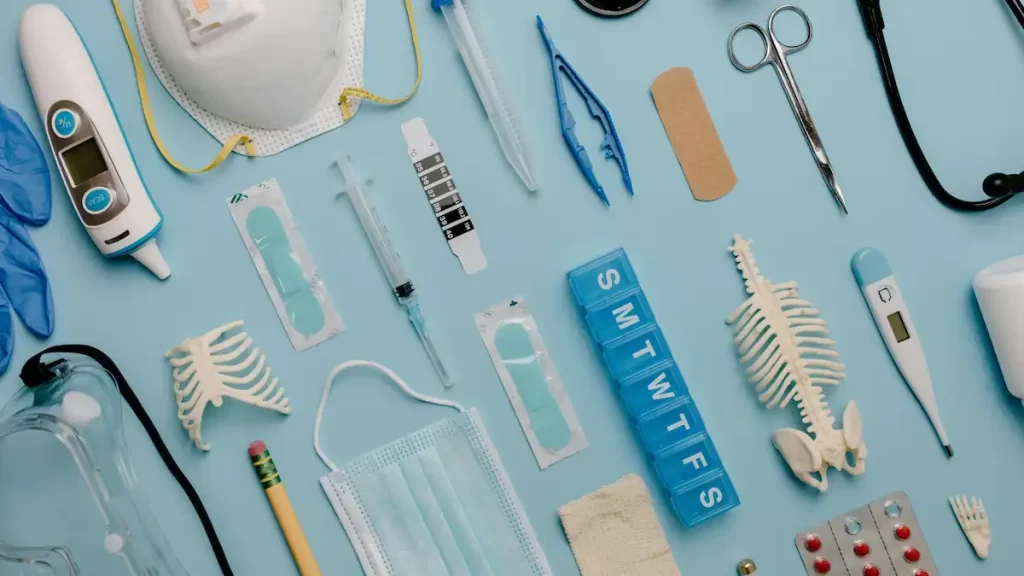
- Travel first aid kit – A travel first aid kit is essential for any gap year. It should contain all the basics such as plasters, antiseptic wipes and bandages. For a full list of what to pack in a travel first aid kit, check out our blog post.
- Malaria tablets – Don’t forget your malaria tablets if you know you’re going to be travelling to a malaria region. Not sure whether you will need malaria tablets? Then visit Travel Health Pro to find out.
- Contraception – Even if you are single, it’s always a good idea to pack contraception just to be safe, as you never know who you may end up meeting when you are away. Only condoms can protect you from STD’s, so best to pack these even if you or the person you are with is on alternative contraception. Consult your GP or local sexual health clinic for contraception information.
- Prescription medication – Don’t forget to pack any prescription medication you may need for your journey. If you are not able to take enough for your entire trip then discuss with your doctor how you can obtain more when you are away. Remember that for some medication you may be required to also take a doctor’s letter or copy of the prescription with you.
- Anti-seasickness medication – If like me you know you are prone to travel sickness, then make sure to pack some anti-sickness pills or other anti-sickness device. This type of medication has saved me so many times when I have been travelling.
- Sudocream/antiseptic cream/rash cream – A good multipurpose ointment will be useful in all sorts of circumstances from bites to sunburn, chaffing to minor cuts.
- Altitude medication – Altitude medication is not generally available in the UK. However, if you live outside the UK and plan on hiking in high altitude regions, then check with your doctor or pharmacist to see if there is any medication which may be available to help reduce the chances of altitude sickness.
- Rehydration salts and diarrhoea tablets – These are things you may not think to pack until you actually need them. Always a good idea to keep some in your first aid kit for emergencies.
- Pain killers e.g. ibuprofen/paracetamol – Painkillers are another essential item which you may not think of packing until you need them. Always best to carry a pack with you.
- Face mask – Face masks aren’t just for covid. They can also be used to prevent other forms of sickness or when travelling in cities with high air pollution.
Documents and money
The most essential items on any gap year packing list are documents and money. Without these you cannot travel anywhere. Remember to check before you travel that all your documents and bank cards are still in date. It’s also a good idea to take photocopies or photos of everything in case the original gets lost. Read Essential documents needed to travel abroad for more in-depth information.
- Passport
- Visas
- Driving licence
- Wallet with foreign currency, credit cards, debit card, travel money card
- Vaccination certificates
- Travel insurance policy and medical emergency contact number
- Address book – With friends and family, consulates, bank emergency numbers
- Duplicate copies of ID
- Vouchers – Hotel, transfers, excursions, organised tours, airport parking
- Directions
- Boarding pass
Entertainment
You’ll need something to keep you entertained for those long days on the road. Plus, if you pack items which can be used by multiple people at once, then it can be a great icebreaker and a way to make friends.
- Playing cards or travel games
- Books or E-reader
- Magazines
- Puzzle book
- Outdoor games e.g. frisbee, tennis ball, skipping rope.
- Journal
Electronics
There are so many different devices and electronic items which you can pack to provide entertainment and help make travelling easier. When I first started travelling, I just had an old brick style phone and a point and shoot digital camera. Nowadays, I usually take just my smartphone as that does everything all in one and takes up little room. But if you are working while travelling, love photography or making content, then you may need additional items.
Remember that the more expensive items you take, the more you risk things getting lost, stolen or damaged. If you have a particularly expensive item, then it’s best to take out additional gadget cover on your travel insurance or buy separate insurance to cover your tech. For more information on the importance of travel insurance read out blog post.
- Laptop or tablet and charger
- Mobile phone and charger
- Camera (DSLR/video/waterproof) – Extra lens, batteries, memory cards, tripod
- Transfer cables – USB–USB or USB–USB C, lightening cable etc
- Headtorch – Useful for camping and to avoid disturbing people in hostel dorms late at night
- Headphones and charger – wired and wireless. Wired headphones are useful for plugging into the entertainment system on a plane. Much better than trying to use the uncomfortable free headphones which often have poor sound quality.
- Storage device – Hard drive, USB stick, memory cards. For more information about different storage options and photo backup, read our post What’s the best way to back up photos while travelling?
- Watch/fitness watch
- Alarm – If you are travelling to remote areas with limited electricity, then a separate clock/alarm can be useful to ensure you wake up when you need to.
- Universal travel adaptor
- Mini microphone – Only pack if you are a content creator or if sound quality on your videos is very important to you.
- Batteries – Important to take spares if you pack any devices which run on batteries e.g. headtorch.
Miscellaneous
These are all the extra little bits which don’t fit into the main gap year packing list categories. Many of these items are essential but often easily overlooked when packing.
- Towel – A lightweight microfibre towel is the best option when travelling. They are lightweight, pack small and are super absorbent.
- Head towel – If you’re a long haired girlie like me, then a small head towel can be so useful for after you wash your hair.
- Mini towel – I always have a clip on mini microfibre towel attached to my day pack when travelling. They are useful when hiking or to wipe hands after eating.
- Laundry detergent – You don’t need to carry a massive box of laundry detergent with you, but a small bottle of hand washing detergent or a hand wash bar comes in handy.
- Pocket guides and language books – These are not as important now as they were when I started travelling over 15 years ago, as everything can now be accessed online. But, if you know you are going to an area with limited internet connection or electricity, then a pocket guidebook or language book can be a good back up.
- Ear plugs and eye mask – Whether you’re trying to sleep on a plane or in a hostel dorm, these two items will help ensure you have a more peaceful rest.
- Sleeping bag and liner – Even if you’re not planning on camping, a sleeping bag is useful when sleeping on public transport or when your accommodation’s bedsheets are questionable. Packing a liner also helps to keep your sleeping bag clean and can be used on its own in hot countries.
- Padlock – Many hostel dorms will have lockers to store all your personal belongings. These are usually locked with a padlock which you have to provide yourself. Don’t take anything too industrial as it may not fit through the small holes in the lockers, just a simple travel padlock will do.
- Glasses/contact lenses and solution – Don’t forget spares of everything if you heavily rely on glasses and contact lenses.
- Water bottle – Have at least one reusable water bottle with you and make sure it has a secure top to avoid leaks.
- Keys – Ensure you take any house or car keys with you that you may need when you return.
- Pillow – A travel pillow can be a lifesaver on public transport.
- Dry food – Food can be purchased when you are away, but you may want to take certain items with you from your home country. Items such as tea and coffee, herbs and spices, instant porridge and noodles are some basic staples you can pack.
- Binoculars – Very few people will probably take a pair of binoculars travelling with them. However, they can be good for those who enjoy bird watching, are going on safari or doing wildlife conservation.
- Travel sewing kit – This is an item which you don’t think you will need until you do. Choose one which is tiny and fits in a pocket.
- Chewing gum – For those times when there isn’t anywhere to brush your teeth.
- Waterproof phone case – If you know you are going to be spending a lot of time at the beach or on the water, then a waterproof phone case can be a life saver. Some are even designed to allow you to take photos underwater.
- Luggage tags – Don’t forget to attach luggage tags to all your bags.
Not essential but useful
The below items are not essential, but they are random items which have come in handy over my many trips which I always find useful to pack.
- Tin opener – I found a lot of hostels when I was travelling around Australia and New Zealand didn’t have any tin openers. This was very frustrating as tinned food is a great long-lasting staple which I always had on me. I ended up just buying one and carrying it with me to any hostel I went to.
- Pens and sharpies – From filling in visa forms to labelling food in a hostel, you will find there are many times when you need a pen. I always pack at least one pen and one permanent marker when I travel.
- Carrier bags – Plastic carrier bags can be used for so many purposes from wrapping around your shoes in wet weather, to keeping your wet towel or dirty boots separate from the rest of your belongings. I would suggest taking about 3 carrier bags. Note that some countries have banned plastic bags from being brought into the country so check before you travel that they are allowed.
- Notepad – There may be times when you need to write something down like a phone number or directions. A small pocket notebook can be handy to pack.
- Reuseable pack away bags – A folding tote or drawstring bag can be used for a variety of purposes. I usually take several in different sizes and use them to separate out various things in my luggage such as dirty laundry or keeping all my electronic cables together.
- Ziplock sandwich bags – Sandwich bags aren’t just good for packed lunches; they are also useful to have to keep all your carry-on liquids together when going through security. Most airports require liquids in your carry-on luggage to be removed and put into a clear bag to go through security, however a lot of airports don’t actually provide these bags, so ensure you have some to hand.
- Lunchbox – If you are backpacking on a budget and know you will be making your own lunch and dinner each day, then a lunchbox is a good item to have to store leftovers or sandwiches.
- Cool bag – When you are travelling from place to place, you will need to ensure that any fridge food such as butter or cheese, stays cool on the journey. I used a soft foldable cool bag which I bought in a supermarket to carry my food. Then, when I got to my next accommodation, it was soft enough to be able to squish into the communal fridge.
- Luggage scales – If you know you will be taking a lot of flights, then carrying a compact luggage scale can be helpful to ensure that your bag is always within the weight limit to avoid any extra charges.

Specialty items
Everything up until now has been for a standard gap year packing list. However, your own personal circumstances and the type of trip will dictate what you will need to pack. Below are a few examples of certain circumstances when you may need to pack more specialist items.
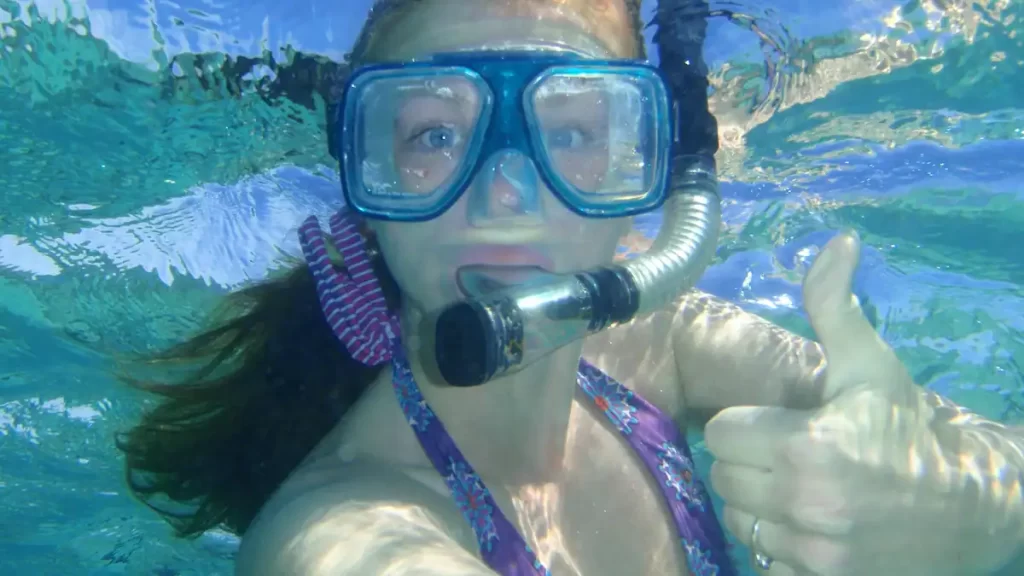
- Hobbies – Do you have a hobby or passion that you want to continue doing when you are away? If so, then it might be cheaper to take equipment from home instead of renting or buying when you are away. Here are just a few examples – Snorkel, surfboard, yoga mat, guitar, skis, knitting needles.
- Camping equipment – Are you planning on camping? If so, you need to think about the length and the intensity of camping. Sleeping in a tent every now and again when travelling will be very different from undertaking a mountain climbing expedition which requires specialist equipment and a lot of preparation. This gap year packing list is more aimed at people undertaking a traditional gap year. If you plan on undertaking an expedition, then you will need to consult the expedition company for their packing list recommendations. Some items to consider packing for camping would include a tent, cooking equipment, washing up supplies and a sleeping bag and mattress.
- Work equipment – If you have a specialist job and plan on working when you are away then you may need to take work equipment with you e.g. hairdressing scissors, webcam, builder’s tools, craft supplies, camera equipment.
- Baby supplies – Backpackers are not just young single people. There are also older people and families who travel. If you plan on travelling with a baby or young children then you will need to think about what things they will need as well, such as milk, nappies, and a pushchair.
- Medical equipment – Don’t forget to pack any medical equipment you may need if you have an ongoing medical condition. I’m not talking about some antiseptic cream and plasters, I’m taking about asthmas inhalers, EpiPens, or oxygen tanks. Remember to check before departing whether there are any airline restrictions or restrictions in the country you are going to, which may limit or prohibit you being able to take any medical supplies needed.
Things you probably won’t need
Everyone will be different, but I found these following items to be things which I thought I would need but never did.
- Hairdryer – When I first started travelling, I didn’t have space in my luggage for a hair dryer, so I had to go without, and I never even missed it. I was mainly travelling to warm countries so my hair dried naturally and ever since I have never taken a hairdryer with me.
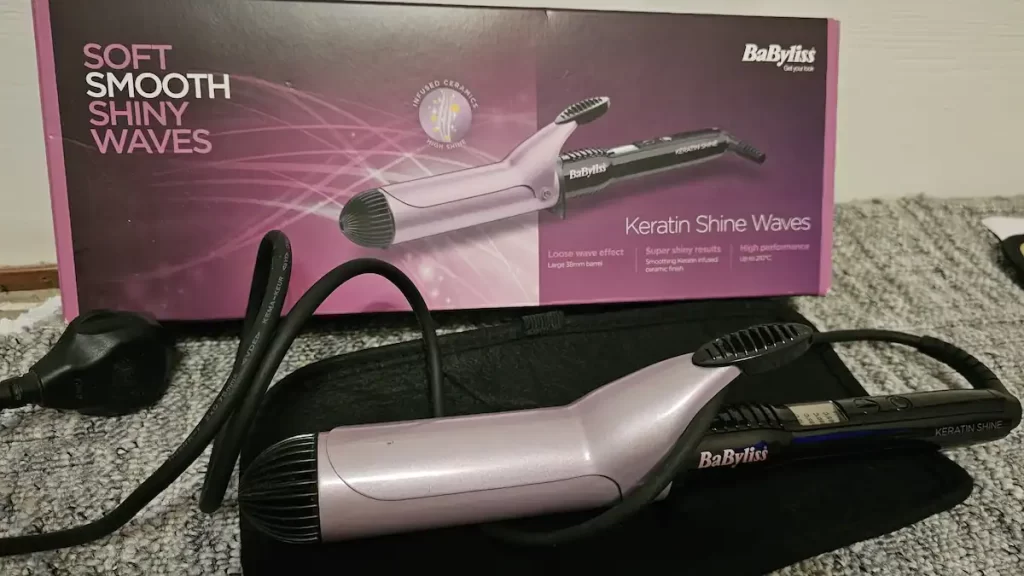
- Straighteners/hair curlers – This is the same as the hairdryer. Once you stop using them, you will realise how little you actually need them. When you are out exploring or spending hours on public transport, you stop caring what your hair looks like.
- Excessive make up – I did take some make up with me, but I kept it to the bare minimum. Just some lip balm, gloss, concealer, mascara and a tint. You will start to notice that very few people when travelling have on heavy make up, it’s just not necessary and packing too much will just add weight to your bag.
- Nail polish – I personally don’t think it’s necessary to take nail polish, but some people might want to do that. If you want nice nails for an evening out, then you could always get them done professionally when you are away. Or if you do want to take nail polish, then just stick to one colour which will go with anything.
- Iron – No one irons their clothes when travelling, there is just no point. Clothes will just get creased again when you put them back into your backpack. Most modern clothing doesn’t need to be ironed anyway and often just the heat of your body will relax any minor creases there might be after a few minutes.
- Too many clothes – Don’t go over the top with the amount of clothes your pack. Yes, ensure you have different items for different weathers or circumstances, but don’t go overboard packing dozens of the same item. Just wash or rotate clothes or buy more when you are away.
- High heels – Shoes are heavy and take up a lot of space in your bag, so try and pack as few pairs as possible. Unless you know you are going to be going on a lot of nights out or need them for a specific reason, high heels generally are unnecessary. Just pack a smart all round shoe or a sparkly pair of sandals instead.
- Perfume/aftershave – I found that I have never needed perfume when travelling. Just some strong deodorant and regular showering is enough to stay smelling nice on the road.
- Umbrella – An umbrella is such a useful item, but I think it’s unnecessary if you have already packed a decent waterproof coat. It requires one hand to carry which can be tricky if also juggling carrying a backpack or suitcase, and in extreme storms it’s useless anyway as they often break.
- Books – I know I said earlier to pack books to keep yourself entertained or take guidebooks or phrase books in case you are travelling somewhere remote, but generally I would say to avoid packing them as they are so heavy. Instead use a lightweight e-reader for reading and your smartphone for any tourist information or translation needs. Again, if you are going somewhere without internet or electricity then it’s a good idea to take physical books. But if you are going to be in an urban area with good connectivity then just use technology instead.
What to pack it all in
Now you that you know everything you need to pack, you will need something to put it all in. If you are trying to decide what the best luggage is for your trip, then read our post backpack vs suitcase. As well as your main luggage, you will also need additional bags and storage for day trips, beach days or for separating out your belongings. Depending on your personal style, the type of trip and your requirements, you may not need all the below items, or you may find one bag which does it all.
- Large backpack or suitcase – This will be your main luggage to hold all your belongings for your gap year.
- Day bag – You will need a smaller bag for everyday use when you are out exploring or hiking. This might be a smaller backpack or holdall. I personally go for a backpack as they are easier and comfier to carry over longer periods.
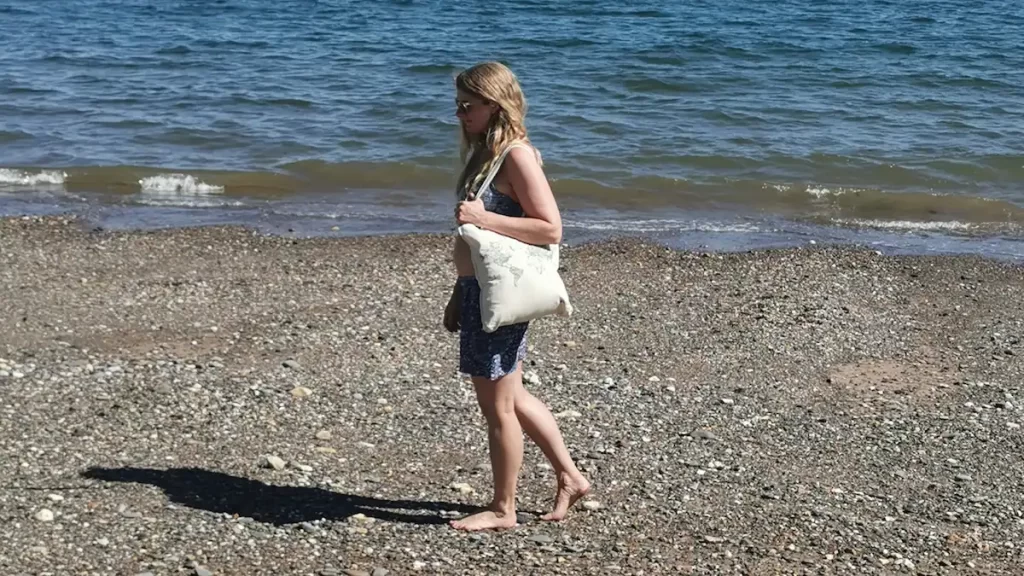
- Beach bag – If you are planning on going to the beach a lot, then consider how you will carry all your beach stuff. Is your day bag going to be enough? Will you just throw things in a carrier bag? Or do you want to take a separate beach bag.
- Handbag/bumbag – A small backpack might be a bit cumbersome when exploring a city or on nights out, so a small handbag or bumbag might be a better and more aesthetically pleasing option. Go for the smallest one you can get away with to avoid taking up too much room in your luggage.
- Dry bag – If you plan on doing a lot of water sports or spending days at the beach or on a boat, then a dry bag might be a good item to pack. It will prevent water or sand from getting in and keep all your stuff clean and dry.
- Toiletries bag – A toiletries bag is essential to pack to keep your toiletries organised and to prevent any accidental spillages in the rest of your luggage.
- Document wallet – There are lots of documents you need to take while travelling and a document wallet can help keep them safe and organised. Choose one which fits easily in your day pack or handbag.
- Camera case – If you have a professional camera with lots of lenses and other equipment, then a robust camera case is the best way to store everything together.
- Laptop/tablet case – Protect your valuable devices with a case. Don’t just throw them into your backpack as they can get scratched or knocked or end up with liquids spilt on them.
- Vacuum bags/packing cubes – I would never travel anywhere without my trusty vacuum roll bags. These simple plastic bags allow me to separate out my clothes and to squash them down into a small size to maximise the space in my bag. No vacuum needed. Packing cubes also do a similar job, but I will admit that I have not tried these personally.
Packing tips
I hope you have found this gap year packing list useful in helping to decide what to pack. But it’s not just about what you pack, but also how you pack. So here are a few final packing tips to help make life easier and to maximise your storage.
- Stuff your sleeping bag – Sleeping bags are very difficult to get back into their original cover. Doesn’t matter how tight you try and roll it; I find it’s almost impossible to get it back in. I’ve found the best way is to just stuff it back in instead. Start with the toe end of the sleeping bag and stuff it bit by bit back into the cover.
- Clip things to the outside of your bag – Use carabiners and straps to secure bulky or heavy items to the outside of your backpack. Just be careful when checking your bag in at the airport as anything on the outside can get stuck in the conveyor belts. To get around this you can pay to get your luggage wrapped in plastic to prevent anything getting caught or damaged when they are loading it onto the conveyor belt or onto the plane.
- Put things inside other things – Make sure that all room is utilised in your bag. Stuff socks inside shoes or roll your pillow inside your sleeping bag.
- Spilt the load with a buddy – Travelling with more than one person? Then share items between you. You don’t need two bug sprays or two bottles of laundry detergent. One of you take one item, then the other takes the other item. That way you both have less to carry.
- Think about where you are going – Not going to be near a beach? Then you don’t need to pack beach supplies. Only going to hot countries? Then you don’t need to worry about wet weather gear. Know you’re not going to be going on job interviews, then you can ditch the smart shirt.
- Separate everything – Rummaging through a big suitcase or backpack to find one item can be so annoying, especially if you are hopping from place to place. Reduce frustration by separating out your belongings into different compartments or bags. Think underwear in one section, shoes in another and toiletries in another. That way you know exactly where everything is when you need it.