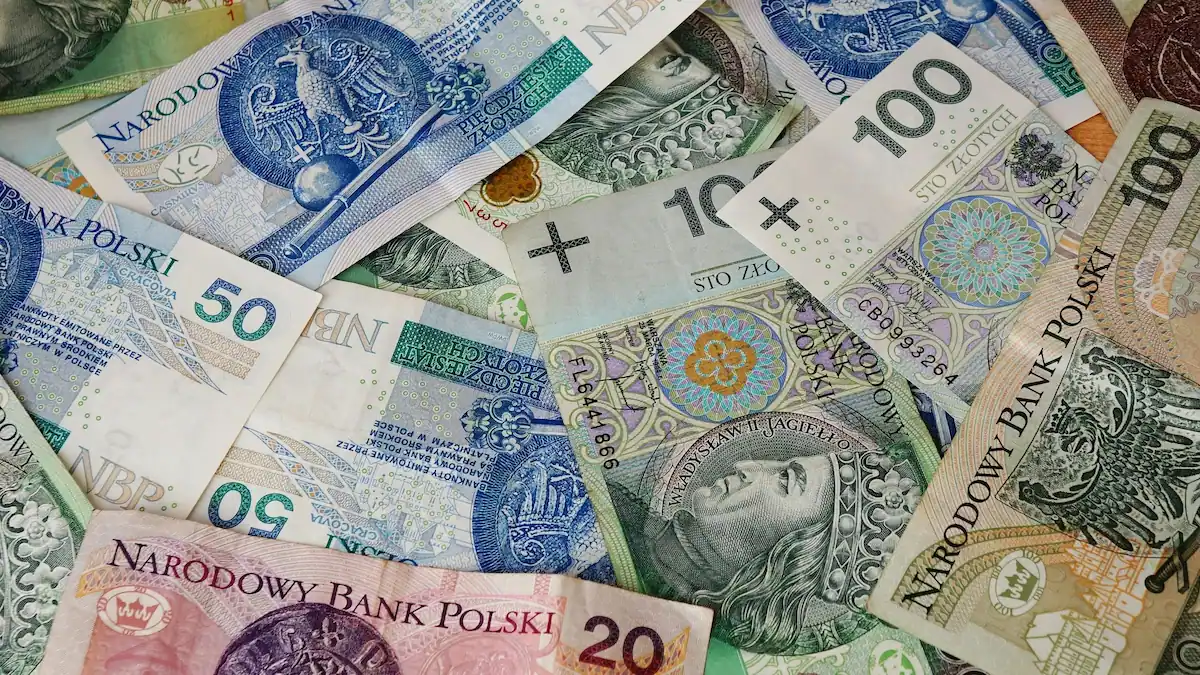
There are many different ways to spend money abroad each with their own pros and cons. One method is to carry cash. However, unless you are travelling to a country which uses the same money as your home country, you will need to purchase foreign currency. This guide explains where and how to buy foreign currency in the UK and helps give a better understanding of exchange rates and finding the best deal.
Why is carrying foreign currency important when travelling abroad?
It is important to carry foreign currency when travelling, for those times when you cannot pay by card. For example, if you are travelling in remote regions with no electricity or if you are making small purchases or need to leave a tip. Another benefit of cash is that you don’t have to worry about the exchange rate changing when you are away. The exchange rate is fixed at time of purchasing your currency.
How much cash you need to carry will depend on where you are going and for how long. Someone volunteering for several months in the Amazon will probably need to carry a lot more foreign currency on them than a person on a city break to Paris.

Where to buy foreign currency in the UK?
My recommendation would be to purchase foreign currency in your home country prior to travel. The reason for this is that you will be familiar with which companies are reputable and will have the time to shop around for the best deal. It also means that you don’t have to stress and waste time when you land trying to find somewhere to exchange currency.
Foreign currency can be purchased in many locations in the UK including:
- Banks
- Post Office
- Travel agents
- Department stores
- Airport
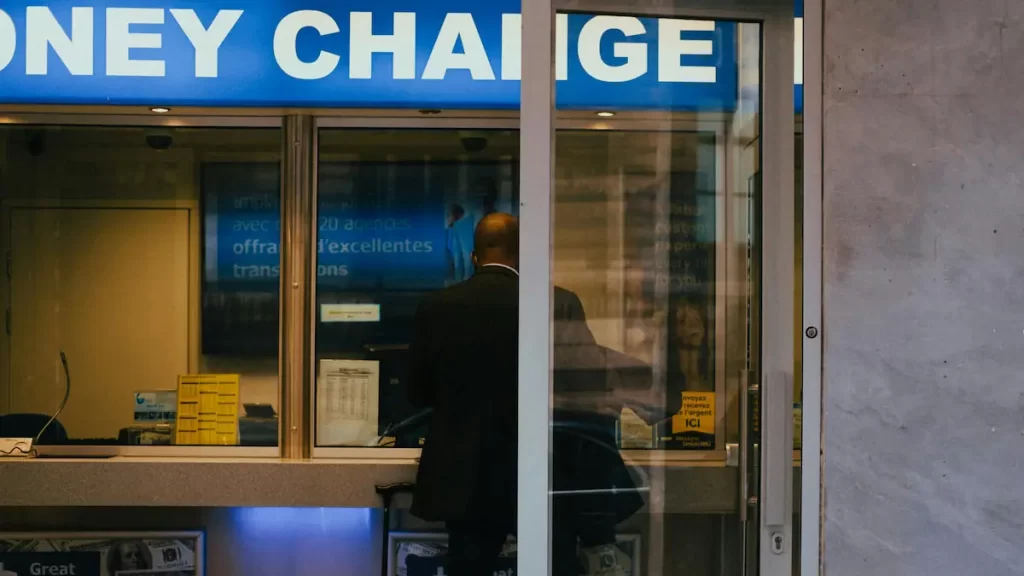
- Bureau de Change (often located on high streets and in shopping malls)
If you live outside of the UK, there should be similar businesses where you can purchase foreign currency. Check out your local travel agents and banks, or Google ‘foreign exchange near me’.
Understanding exchange rates and how to find the best deal
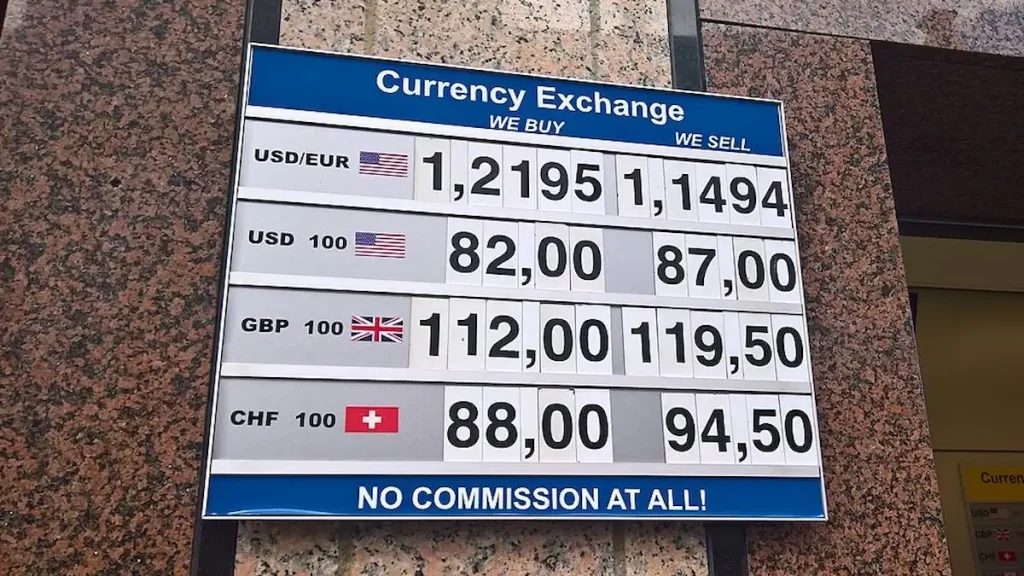
The exchange rate tells you how much foreign currency you will get for a single unit of your local currency (e.g. £1 if you live in the UK or $1 if you live in the USA). The rate will be advertised either inside the business or online, allowing you to shop around to compare the best deals. Businesses usually advertise only the most popular currencies e.g. dollars, euros. So, if you don’t see the currency you need advertised, just ask.
For each currency there will be two exchange rates advertised, one saying ‘buy’ and one saying ‘sell’. Selling means that you are using your local currency (British pounds if you live in the UK) to purchase foreign currency. Essentially the business is ‘selling’ you the foreign currency. Buying means the business is buying foreign currency back from you in exchange for your local currency. For example, when you have foreign money left over at the end of a holiday.
Below is an example to help better understand exchange rates and how to work out which is the best deal.
Example
You are living in the UK and want to purchase Canadian dollars. The selling exchange rate is listed as ‘Canadian dollar CAD = 1.816’. That means that for every £1 you will receive $1.816 (or $1.82 if rounding up). When shopping around for travel money, you want to look for the highest number under the selling exchange rate. This will mean you get more for your money.
So, using the Canadian example, if one company’s exchange rate was 1.816 and another was 1.7774, then the business offering a rate of 1.816 would be the better deal as you would get more Canadian dollars for your money (see table below).
| (Based on example exchange rates in Oct 2025) | Option 1 – Bank | Option 2 – Travel agent |
| Selling exchange rate CAD | 1.7774 | 1.816 |
| £100 = | $177.74 | $181.60 |
| £1000 = | $1777.40 | $1816.00 |
As you can see, the higher exchange rate of 1.816 at the travel agent would give you $38.60 more than the bank when purchasing £1000 worth of Canadian dollars.
The more travel money you buy, the more the exchange rate makes a difference. Companies will often offer better rates if you are buying a larger amount of currency e.g. purchasing over £500. Be aware that some companies charge commission, so look out for ‘zero commission’ to ensure that you are not getting charged any extra.
What is a closed currency?
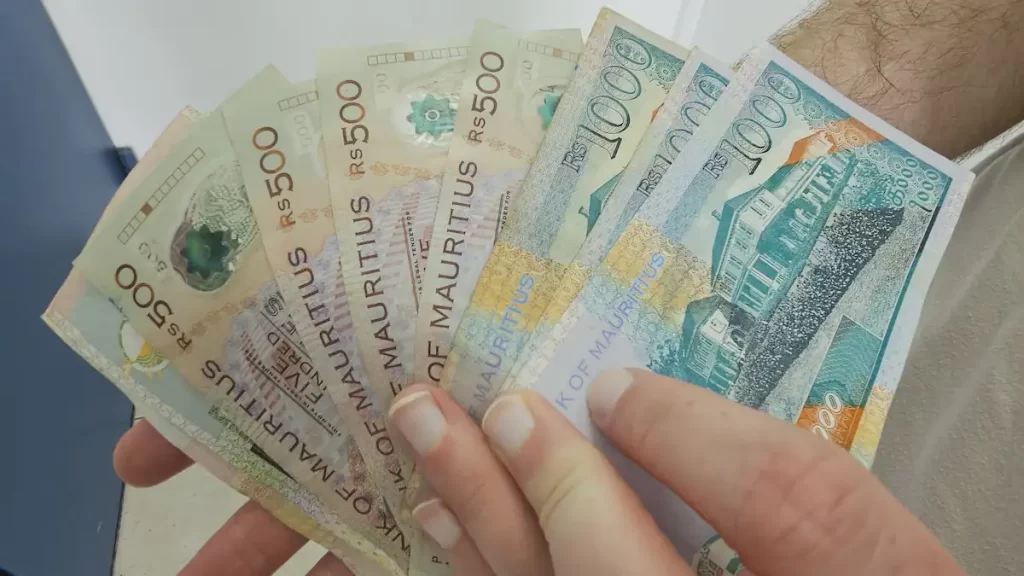
Some foreign currency cannot be purchased in your home country; it can only be purchased once you arrive at your destination. This is known as a closed currency. Some countries which have closed currencies include Tunisia, Madagascar and Morrocco. If you are travelling to a destination which has a closed currency, it means that you can only purchase their currency on arrival in that country. The same goes for exchanging it back. It can only be exchanged in their country, so ensure that either you spend all your cash prior to departure or exchange it before you leave. If you return home with a closed currency, not only will you not be able to exchange it back but removing it from their country is also illegal.
How to buy foreign currency in the UK?
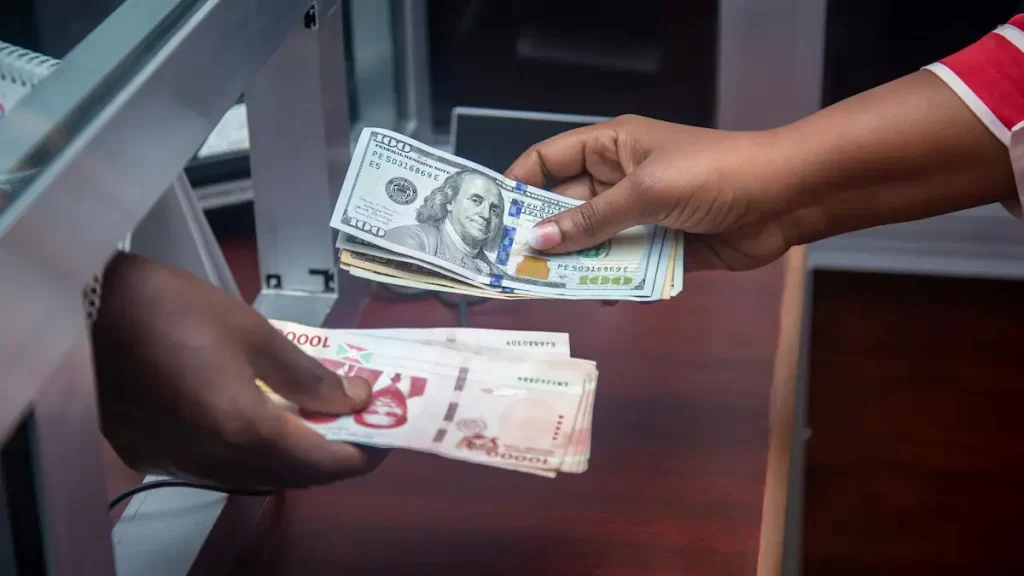
If you’re wondering how to buy foreign currency in the UK, the process is usually quick and straightforward. The most popular foreign currencies, such as US dollars and euros, are usually readily available and can often be collected immediately from most foreign exchange providers. When purchasing travel money, you’ll be asked how much you need. You can state this in either your local currency or the foreign currency (for example, ‘I’d like £100 worth of US dollars’ or ‘I’d like $100’). The cashier will then confirm the exchange rate and show you exactly how much you’ll receive before completing the transaction. It’s worth noting that foreign currency is usually only issued in notes, not coins, so they may need to round your amount up or down slightly to match available denominations. You’ll also be asked to present photo ID, which is a standard security measure to prevent money laundering.
If you’re exchanging less popular currencies, or buying a large amount, you may need to pre-order these either online or in person. So, it’s essential that you don’t leave it to the last minute. Order your travel money at least a week or two before you depart to ensure it arrives in time.
Buying travel money abroad
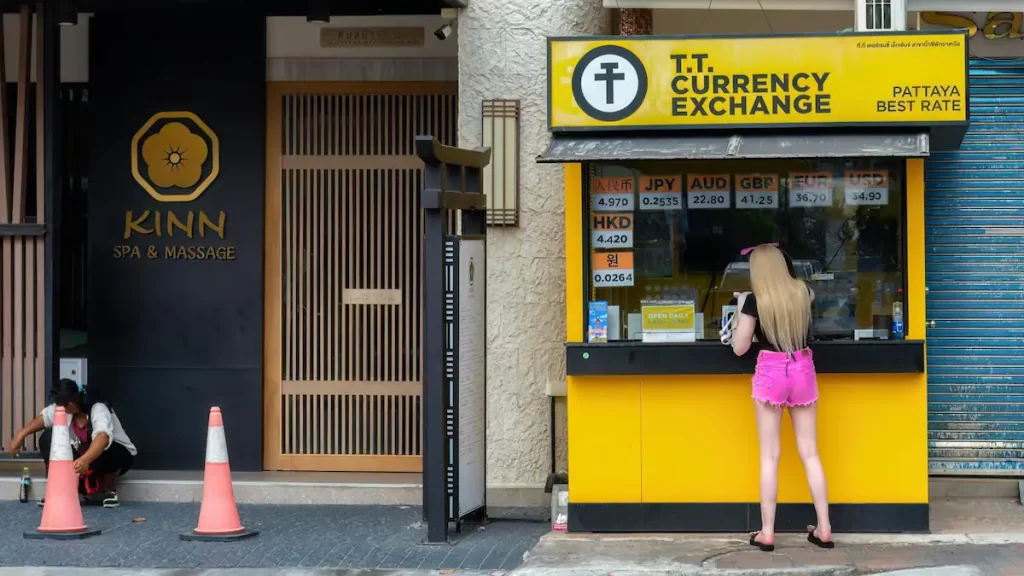
Buying travel money abroad can be a minefield, which is why I recommend buying foreign currency in the UK before you leave. There are so many unknowns and it’s easy to get scammed. Each country will be different and have different regulations around buying and selling foreign currency. Some will have strict rules making it almost impossible for shady exchange businesses to operate, but other countries can be more lawless making it easier to get scammed.
Regardless of the country, there are several places abroad where you should be able to buy travel money safely. Firstly, the airport. Look for official kiosks inside the airport and avoid any stalls or people offering currency exchange outside, as these are more likely scams. Another safe bet is a bank. Banks are often regulated in most countries. If you are not sure which is a good bank or where the nearest one is, then either research it before you arrive or ask when you get to your accommodation. Other places where you will probably find legitimate foreign exchange bureaus are inside shopping malls and supermarkets, but again check with your tour guide or at your accommodation for advice.
I hope this guide has helped you understand how to buy foreign currency in the UK and what to expect from the process. Buying travel money is usually straightforward, but taking a little time to compare exchange rates can make a big difference to how much you get for your money. Always remember to bring photo ID when collecting your currency and try to organise it at least two weeks before you travel to avoid last-minute stress. With a bit of planning and awareness, you can make sure you’re getting the best value and start your trip feeling prepared and confident.