Managing money might not sound as exciting as planning your dream itinerary, but it’s one of the most important things to get right before you set off. For novice travellers, backpackers and those on a gap year, knowing the best way to spend money abroad can save you stress and extra fees.
From exchanging foreign currency to choosing the right bank card, there are lots of options to think about. This beginner’s guide explains all the essentials of how to manage money abroad so you can feel confident wherever your trip takes you.
(Disclaimer*: I am not a trained financial or foreign exchange advisor. All of the below information is based off my own knowledge and experience of managing money abroad. Do your own research prior to any financial purchase.)
Foreign currency
Why is it important to carry cash when travelling?
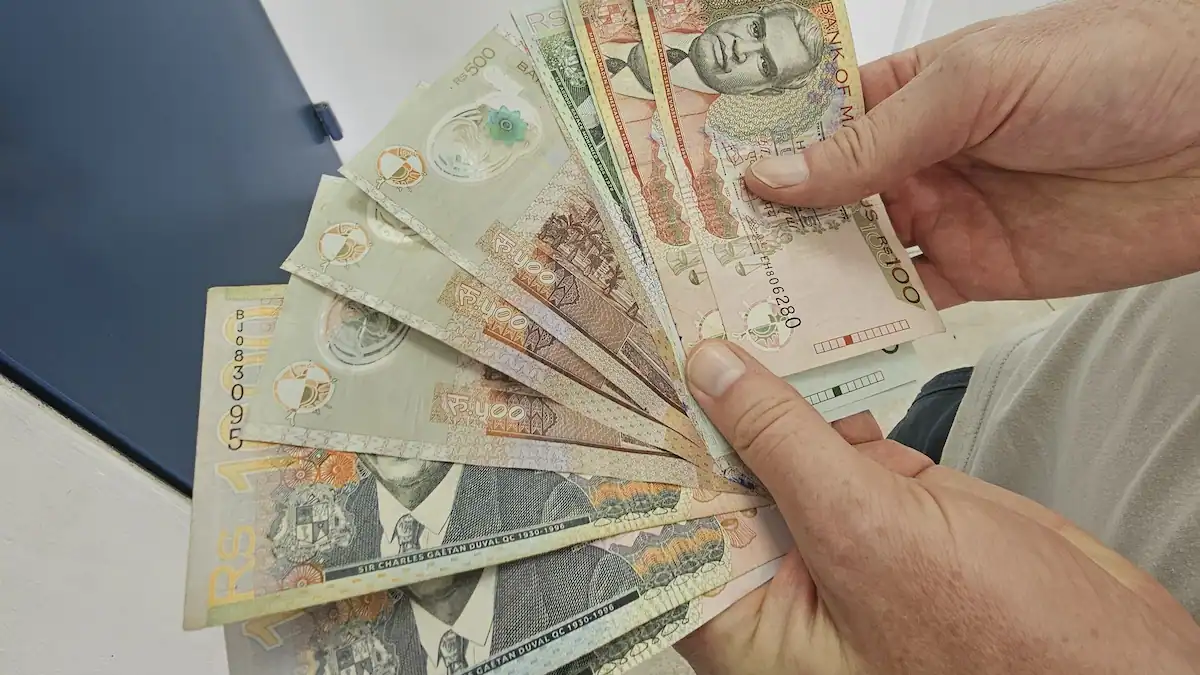
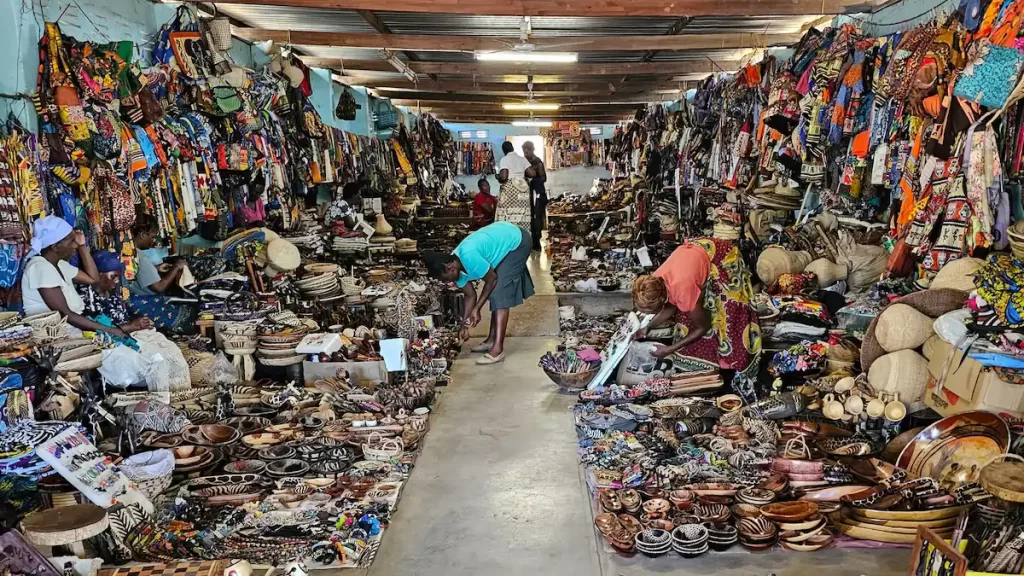
In this modern age it is easy to think that cash is no longer needed. While this is true for certain places, lots of the world still rely on cash, especially in remote areas. Carrying cash is essential when travelling as a backup option in locations where bank cards are not accepted. Cash is also useful for tipping, laundrettes, buying goods in markets or when splitting costs with friends.
Where to buy foreign currency?
Foreign currency can be bought in many locations including banks, travel agents, department stores, the Post Office and the airport. My recommendation would be to purchase foreign currency in your home country prior to travel. The reason for this is that you will be familiar with which companies are reputable and will have time to shop around for the best deal. It also means that you don’t have to stress and waste time when you land trying to find somewhere to exchange currency. Just ensure that you leave enough time to buy travel money prior to departure as certain currencies or higher amounts will need to be ordered in.
If you forget to buy travel money before you leave, you can buy cash when you get to your destination. However, the problem with buying abroad is that it is harder to know which places are reputable and it can be easier to get ripped off. It is difficult to advise where the best place is to buy travel money abroad as regulations can vary from country to country. However, there are a few locations where you will usually find legitimate currency exchange bureaus. Firstly, the airport. Look for official kiosks inside the airport and avoid any stalls or people offering currency exchange on the street outside as these are more likely scams. The other would be any high street bank. These should be regulated and will more likely offer a fair exchange rate. If you are unsure where to exchange money abroad then speak to your tour guide or ask when you get to your accommodation. Failing that, you could always withdraw local currency from an ATM. But be aware that fees may apply and you may not get the best rate.
Importance rating = 4/5
Credit cards
Credit cards are one of the best ways to spend money abroad. They are secure, can help in an emergency, and offer a great alternative to carrying cash. If you’re financially responsible and able to pay off your balance each month, I highly recommend that every backpacker travels with a credit card.
How do credit cards work?
A credit card lets you pay for things using money borrowed from a bank, rather than your own funds. You’re essentially taking out a short-term loan, which you then repay. Each card comes with a credit limit which is the maximum amount you’re allowed to spend. Every month, you must repay the minimum balance, but it’s always best to pay off the full amount to avoid interest charges and fees.
Credit cards are issued by many banks and supermarkets, but most run on one of three major payment networks: Visa, Mastercard, or American Express (Amex). Visa and Mastercard are accepted worldwide, while Amex is less widely used outside the United States. You can track your spending, check your remaining credit limit and make payments using your bank’s online account, mobile app, or in-branch services.
Things to consider when choosing a credit card for travel
- Mastercard, Visa or Amex – Visa and Mastercard are the most widely accepted payment networks around the world, so your card will work in more places. American Express can be useful in the UK or USA, but it’s less commonly accepted in many other countries.
- Interest rate (APR) – If you don’t pay your balance in full each month, the bank charges interest. Some cards offer 0% interest for a limited time, but eventually a much higher rate kicks in, so it’s best to clear your balance monthly.
- Foreign transaction fees – Some cards charge a percentage fee every time you use them abroad. Over a long trip these fees add up quickly, so try to find a card that offers free spending abroad.
- Cash withdrawals – Using your credit card at a cash machine is usually a bad idea, as banks add extra fees and start charging interest straight away. Save your credit card for payments and use cash or a travel money card for withdrawals instead.
- Credit limit – This is the maximum amount you’re allowed to spend on your card. A decent limit can be a safety net for emergencies, but don’t be tempted to spend more than you can afford to repay.
- Fees and charges – Some cards come with hidden costs like annual fees or money transfer fees. Always read the small print so you know exactly what you’ll be paying for.
- Repayment options – Always try to pay off the full balance each month to avoid interest. If you can’t, make sure you at least pay the minimum to stop penalties and damage to your credit score.
- Rewards or benefits – Some credit cards offer travel perks like cashback, air miles or free insurance. These aren’t essential for backpackers but can be a nice bonus if you qualify for them.
Importance rating = 5/5
Debit cards
Debit cards are one of the most common ways to pay for things at home and many people use them daily without even thinking about it. Because of this, it’s easy to assume you can use your debit card in the same way when travelling abroad. However, this is where many novice travellers get caught out.
Debit cards often incur high fees when used to withdraw cash or pay for purchases overseas. Some ATMs add extra charges on top, making it even more expensive. Banks also typically have daily withdrawal limits, which can leave you stuck if you need a larger amount of cash in one go.
That said, they are still worth taking as a back-up option. They can be useful if you find yourself without cash and need to withdraw money immediately, or if you’re at the airport in your home country before departure.
The best approach is to use your debit card sparingly, keeping it as an emergency or secondary payment method, rather than your main way of spending. Always carrying more than one card is a good idea, so you have a backup if one gets lost, stolen, or blocked.
Importance rating = 3/5
Travel money cards
What are travel money cards?
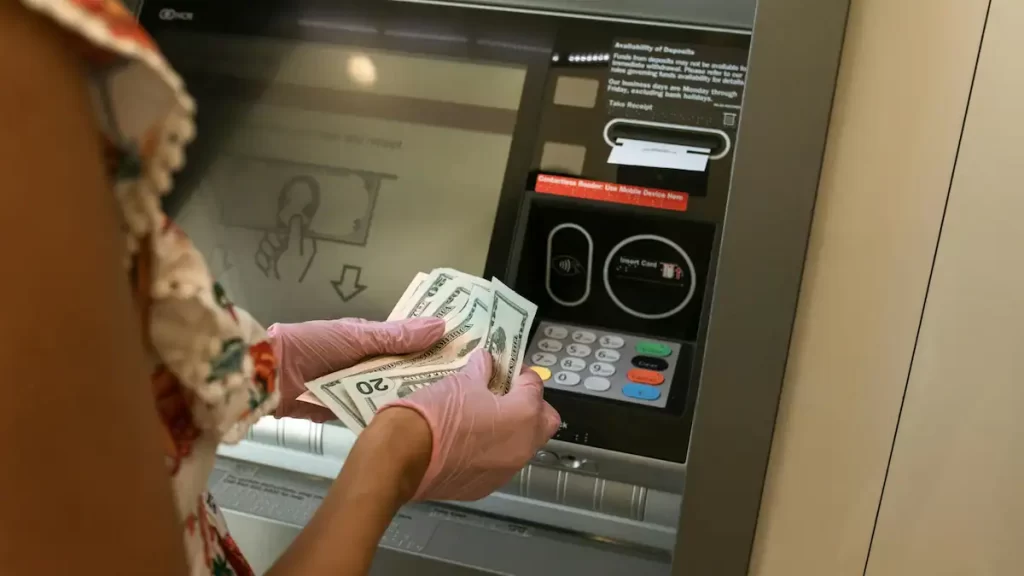
Travel money cards are cards which are specifically designed for spending money abroad. You preload them with money before you leave, then they can be used liked a debit card allowing you to withdraw cash and pay for goods and services while abroad.
How do travel money cards work?
Travel money cards can be purchased from a variety of places in the UK including travel agents, supermarkets, department stores, online banks and the Post Office. Once you receive the card you add money onto it, usually through an app or in store and it is automatically converted into the local currency when you use it abroad. Whatever money you have on the card, is how much you can spend when you are away. When abroad the card is used in the same way as a debit card, allowing you to pay for goods or withdraw local currency from an ATM. If you find you need more money when you are abroad, you just use the app again to add more money onto the card. Paying with chip and pin or contactless is usually free but note that certain companies may charge a fee to withdraw cash abroad or to top up the card, so always check the terms and conditions.
Travel money cards are a good way to spend money abroad as they are very versatile and secure. These cards are not linked to your bank account, so if stolen, only the small amount preloaded on the card can be taken, or if lost, the card can be frozen until it’s found. Foreign currency can be easily withdrawn at ATMs while abroad, meaning you can carry less cash. Funds and spending can be tracked through an online app and extra money can be added if needed. Travel money cards are a good all-rounder and a great way to manage money abroad.
Importance rating = 4/5
Traveller’s cheques
Traveller’s cheques used to be a very common way to get money abroad. Nowadays, they are an outdated and archaic method of managing travel funds.
A traveller’s cheque is a paper document issued by a bank that represents a fixed amount of money in a particular currency. Traveller’s cheques would be exchanged in banks abroad for local currency. They were designed to be safer than cash because if they were lost or stolen, you could get them replaced. However, they have fallen out of favour because fewer banks, hotels, and shops accept them. The process of cashing them can be inconvenient and there are usually fees involved.
While they still exist and may be used in some countries, they are not the best way to spend money abroad and most travellers today will find credit cards, travel money cards, or local currency far more practical.
Importance rating = 1/5
Foreign bank accounts
If you’re travelling for a long period in one country or working abroad, it may be beneficial to open a local bank account. This can save you money on currency conversion and debit card fees, as well as make it easier to withdraw cash. It’s also the most practical way to receive wages, as many employers won’t pay into a foreign account.
Banking systems vary from country to country, so there isn’t one universal option that suits everyone. However, most banks will ask for a passport, proof of address in that country, and sometimes proof of your visa or working permit. A credit check or security screening may also be carried out.
If you think you’ll need a local account, it’s a good idea to research your options before you leave home. Look at which banks have widespread ATM networks, what their fees are, and whether they’re recommended for expats or working holiday makers.
When we were in Australia on a working holiday visa, we opened an Australian bank account because it was the easiest way to receive our wages. We did our research and chose Commonwealth bank as it was one of the most common banks in the country, which meant easy access to their ATMs without extra fees. This was important for us because we knew we’d be travelling and working in remote areas and needed a bank that would be accessible almost anywhere.
Importance rating = 3/5

Extra tips for managing money abroad
- Pay in local currency – When paying for goods or services, if it gives the option of paying in your own currency or the local currency, always choose the local option. This is because you generally get a better exchange rate and if using something like a travel money card, it avoids extra fees.
- Inform the bank you are going abroad – When a bank notices suspicious activity on your account, like money being spent outside your home country, it may temporarily freeze your account for security. Therefore, prior to departing it is important to inform your bank of where you will be travelling to and for how long, so that they know not to flag this activity as suspicious.
- Download a banking app – Whatever bank you are with or travel card you use, there will probably be an app for it. Having these apps on your phone mean that you can easily check your balance, transfer money and freeze your card, even when you are away.
- Continually check exchange rates – Exchange rates can fluctuate over time, so if you are travelling for a long time, the rate when you left may not be the same as when you returned. This is not too much of an issue if you are paying cash for things or using wages from a local bank account but can be a problem if you are withdrawing money or paying with a credit card. When I was travelling in the USA, I mainly used a credit card. When I left the UK, I checked the exchange rate and it was 1.9 but during the three months I was away it dropped to 1.6. So if I bought something on my credit card for $300 at the start of my trip, it would only cost me £158, whereas at the end of my trip it worked out to £187.50. This meant that I was spending a lot more than I thought, so when it came time to pay off my credit card after my trip, I was shocked by the amount.
- Make sure you pay off the minimum amount on your credit card – Another error I made when I first went travelling was not realising that there was a minimum amount I had to pay off on my credit card each month. I thought that because I had a 0% APR card and wouldn’t incur any interest, that I could just pay it all off at the end of my 3 month trip. Obviously, that’s not correct, and it resulted in the bank freezing my credit card as a penalty because I had not kept up with the minimum payments, leaving me with only cash to get by with.
- Use an RFID wallet to protect your card – Thieves can use handheld scanners to clone or steal money from bank cards without you even noticing. Using a RFID wallet protects your card by blocking the signal between these illegal machines and your card.
- Make a note of your bank’s telephone numbers – Although apps can help manage money abroad, sometimes you may need to phone your bank for help, especially in an emergency. Most cards do have emergency contact numbers written on them, but if yours doesn’t, then write down their telephone number in your phone or an address book before you leave in case you ever need it.
- Separate your money – Cash can be easily lost or stolen. To prevent yourself from being left with no money, it is a good idea to separate out your cash into different places. Carry some in your wallet, leave some in your main luggage, hide some in a sock or share it out with your travel companion. That way if some of your cash is lost or stolen, then at least you have some back up money to keep you going.
- Take a mixture of notes and coins – Having a variety of cash can be really useful when travelling. Large notes mean they take up less space in your wallet, and small notes are good for smaller purchases where change may not be available. Although coins can’t be purchased from a foreign exchange bureau, if you do have any coins from a previous trip lying around then it is a good idea to take those as well because coins are sometimes needed for laundrettes, car parking, toilets and tipping.
- Know the currency limit you can take – There is only a certain amount of cash that you can take abroad. Different countries will have different rules, so if you are not sure, then check out the FCDO website for further information. Usually, it is a ridiculously large amount like £10,000 worth of cash, which realistically no budget backpacker is probably going to be travelling with. But if for any reason you know you have to take a large amount abroad, then double check that you are not over the limit. Smuggling large amounts of money into a country can get you into serious trouble.
- Hide your debit card abroad – As mentioned earlier, debit cards are not the best way to spend money abroad due to the fees that they can incur. If you are someone who regularly uses a debit card at home, then it is a good idea to tuck it away in a different part of your wallet to avoid automatically reaching for it when abroad. So many times I have just paid for something on my debit card abroad out of habit and only realised my mistake later.
- Don’t use a credit card to purchase foreign currency – Purchasing foreign currency is treated the same way as a cash withdrawal, therefore if you use your credit card to buy currency, you can be charged additional fees or interest. Always use a debit card or cash to buy foreign currency.
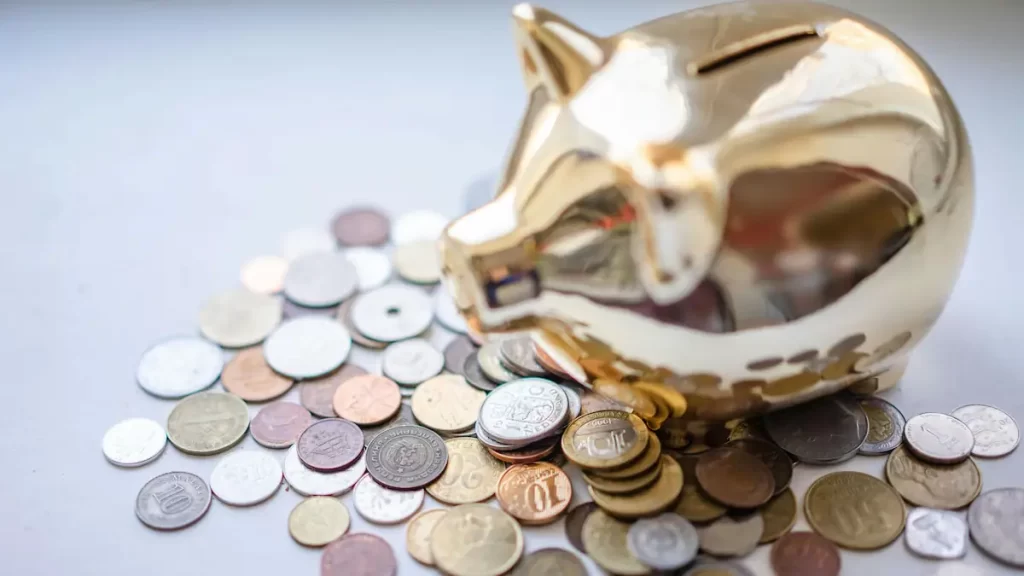
Sorting out your travel money doesn’t have to be complicated. For most backpackers, the best way to spend money abroad is to use a mix of different payment options. Carry some local cash for everyday needs, have a credit card for emergencies or larger payments, and consider a prepaid travel card or local bank account if you’re abroad long-term.
The key is to plan ahead. Tell your bank before you travel, download your banking app, and know what fees might apply. By learning how to manage money abroad, you’ll not only save money but also avoid the panic of being caught short without a way to pay.
This guide is just an overview, if you want to compare specific cards or find the latest exchange rates, check trusted sites like MoneySavingExpert or MoneySuperMarket. With the right preparation, your money will be sorted, leaving you free to focus on what really matters: enjoying your adventure.