Planning a backpacking trip on a budget can be a mammoth task. There’s so much to organise and consider, from deciding where to go to trying to find the cheapest flights and accommodation. I’ve used countless different websites, books, and tools over the years to help me plan and book my trips; some good, some not so good. So I decided to compile a list of my favourite travel planning resources for backpackers to help you find the best deals, get inspired and plan and prepare for your next adventure.
(Disclaimer: I am not sponsored by, or affiliated with any of the below companies. I have personally used all of these resources when booking a trip and all of the recommendations are my own, based on my own personal experience).
1. Travel inspiration and ideas
These travel planning resources are a great starting point to give you inspiration and help you decide where to go, what to do and offer an insight into what to expect from a destination.
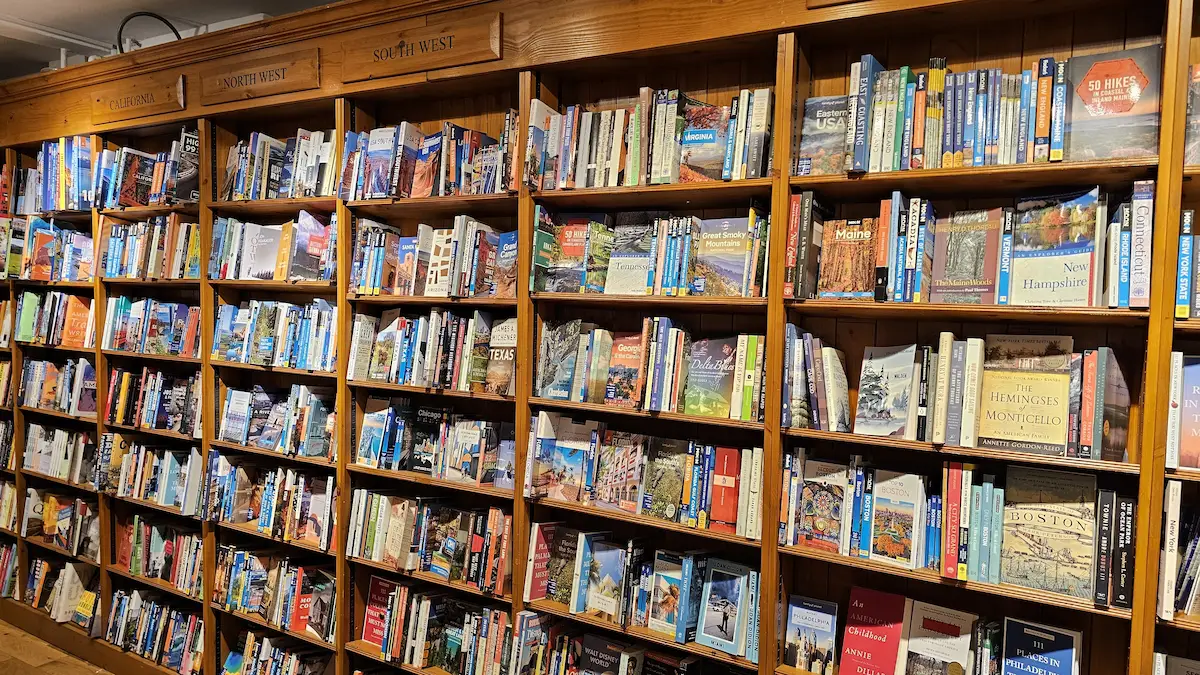
- The Travel Book: A journey through every country in the world (Book – Lonely Planet) – Not sure where you want to go? Want to learn more about a specific country? Then this beautifully illustrated book is a great place to start. It contains useful information about every country in the world. It offers an insight into each country’s history and culture as well as tourist information such as the best time to visit and things to see and do.
- The Road Less Travelled: 1000 amazing places off the tourist trail (Book – DK books) – If you are the type of person who wants to avoid the Instagram hyped destinations and crowded tourist hotspots then this book is for you. Discover hidden gems and off the beaten path destinations. Find alternative options to some of the world’s most popular attractions and destinations, such as ruins just as stunning as Angkor Wat but with fewer tourists, or diving destinations even better than the Great Barrier Reef. Perfect for those wanting to avoid the crowds and have a more authentic experience.
- Travel Man (TV Show – Channel 4) – This hilarious, comedian hosted show follows celebrities on a 48 hours city break. It’s an entertaining way to discover things to do in a new city. While the show mainly focuses on Europe, there are some episodes which are set in Southeast Asia, North America and the Middle East. When I am travelling to a new city, I will always watch the relevant episode to get inspiration for my upcoming trip.
- Lonely Planet (Website/Books) – Lonely Planet was my original go to when I first started travelling. Their guidebooks have all the information a backpacker could ever need including maps, transport and accommodation, things to do, best places to eat and essential information like currency and safety. Wherever you plan on going in the world, I guarantee there will be a Lonely Planet guide on it. If books aren’t your thing, then you can also find all the same travel tips and inspiration on their website.
- End of the Road Travel (Vlog – YouTube) – Follow Leanne and Luke, a hilarious British couple who decided at the age of 35 to quit their jobs, sell their house and embark on an open-ended, round the world trip with absolutely no plan and little money. Follow them as they document their adventures, from road tripping around the USA, to wildlife spotting in Bali, to working and housesitting in New Zealand. Their hilariously honest videos show the realities of budget backpacking and travelling with a partner, while also offering some genuinely good travel recommendations. A must watch for anyone who is wanting some gap year inspiration. I have binged every one of their videos and am always excitedly anticipating the next edition.
- An Idiot Abroad (TV show – Sky) – If you want an honest, unfiltered view of some of the world’s best known tourist destinations then this show is for you. It follows Karl Pilkington, a travel novice and moany Northerner, on his adventures around the world. Set up by his friends, comedians Ricky Gervais and Stephen Merchant, he is forced to endure all the highs and lows of life on the road and isn’t shy about sharing his hatred and disappointment. Hilariously funny and offers a real insight into the world of budget backpacking.

2. Transport and accommodation
Transport and accommodation are probably the two most expensive things you will spend money on when travelling. If you can find a way to reduce these costs, then you can save a lot of money which can allow you to travel for longer. There are many different transport and accommodation options available ranging from the budget to the luxurious. Here are my favourite websites and apps which I use to find the best deals and make booking transport and accommodation easier.
Transport
- Skyscanner (Website/app – Flights) – This is my go-to website for finding cheap flights. It has so many useful features which help you find the best deals. Flexible with destination or just not sure where you want to go? Then just type ‘everywhere’ into the destination and it will search for flights to every country in the world and show you the cheapest options. Are you flexible on dates or not quite sure when is the cheapest time to fly? No problem. Just change the option from ‘specific dates’ to ‘flexible dates’ to search for cheap flights across the whole month or year. It even has options to allow you to make up your own multi-flight itinerary. So useful if you are going to be visiting multiple destinations in one trip. Honestly, I think it is the best website for finding cheap flights.
- YourParkingSpace (Website/app – Car parking) – This app lets you rent a parking space at other people’s homes. It works across the UK, but I mainly use it to find cheap parking at the airport. Just search the location and date and it shows you all available spaces in that location. I have managed to save a lot of money by using this app rather than parking in the airport car parks.
- Uber (Website/app – Taxis) – Uber allows you to book taxis in most places around the world. While it may not always be cheaper than paying for a local taxi, it is definitely easier. Booking a taxi abroad can often be a challenge. Where do you find one? Is it legitimate? Will you be safe? How much will it cost? Will they take credit card? Will they try and rip you off? There are so many things that can make getting a taxi abroad a very stressful and expensive experience. This is why I just always use Uber. Type in the destination of where you want to go and it tells you how much it will cost and how long you will have to wait for the taxi to arrive. Everything is then dealt with inside the app. No need to worry about arguing with the driver over price at the end of the journey. You can also track your route to see how far away from your destination you are or even send the information to a friend so they can track your location.
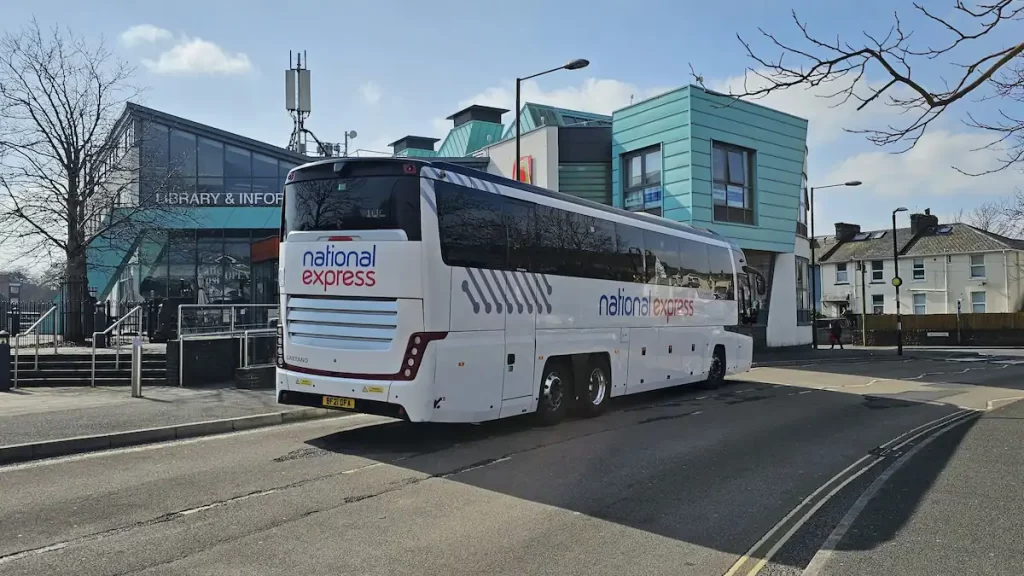
- Megabus. Flixbus. National Express (Website/app – Coaches) – I’ve grouped these three companies together as I think they all offer similar things. All three offer cheap coach trips around the UK and Europe. I mainly use them for getting to the airport when I don’t want to take my car. But they can also be used as a cheap mode of transportation when exploring Europe.
- SkyParkSecure (Website/app – Car parking) – I’ve used SkyParkSecure dozens of times to find cheap airport car parking in the UK. They regularly have discount codes which can offer up to 70% off. While a lot of the options are for car parks further away from the airport, most of them will offer a free shuttle service. A much cheaper alternative than paying to park at the airport.
Accommodation
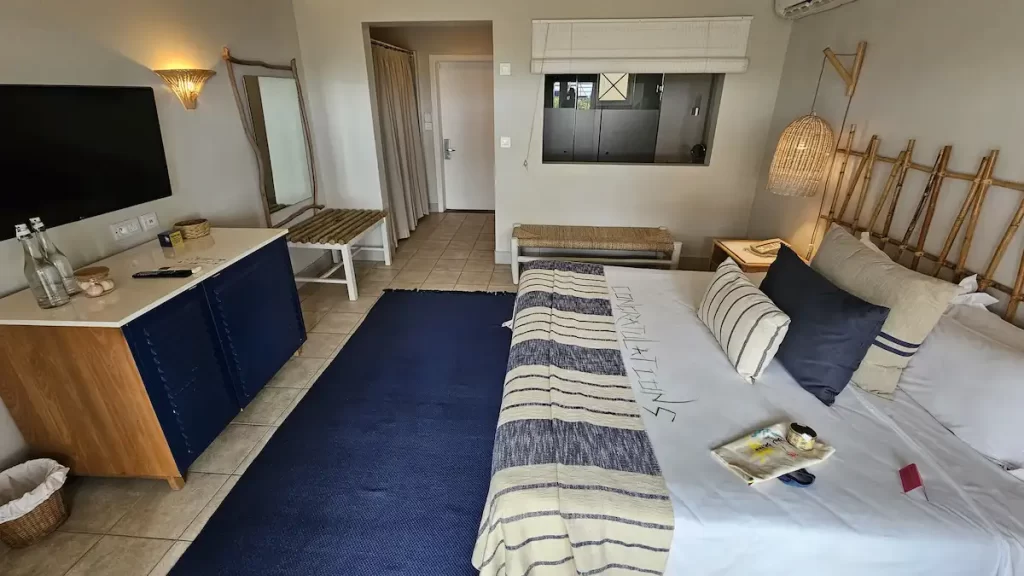
- Booking.com (Website/app) – Booking.com is a good all-rounder and my starting point when I’m searching for any accommodation abroad. It has every type of accommodation in one place, from luxury 5-star hotels to budget hostels and spare rooms to rent. It’s a good place to start when researching the price and availability of accommodation in a certain location. They also offer discount for loyal customers, so the more you use their app to book accommodation, the more discount they will give you.
- Hostelworld (Website/app) – This is my go-to site for finding and booking hostels around the world. It’s super simple to use and has some cool extra features like a chat function where you can find and chat to other travellers who will be staying in the same hostel as you. Perfect for making friends before you even arrive.
- Airbnb (Website/app) – If you don’t know what Airbnb is, it is an app which matches travellers to hosts who have a spare room or house to rent. This type of accommodation is a good balance between a budget hostel and a hotel and allows travellers to immerse themselves in local family life. All the hosts and guests are rated and reviewed so you can see what a host is like before you stay with them. I have stayed in dozens of Airbnb’s across the world and I have never had an issue with one. Would really recommend. (If you want to know more about staying in an Airbnb and what to expect, then read our blog post for more in-depth information).
- Trusted Housesitters (Website/app) – This is the only recommendation on the list which I haven’t personally used. However, I have several friends who use Trusted Housesitters regularly and can’t speak highly enough of this company, which is why I wanted to include in on the list. How it works is you pay a fee to get access to their platform which allows you to see all the homes which need a house sitter. You housesit and look after pets in exchange for free accommodation. A great option for those on a tight budget. It’s definitely something I will be using myself in future trips.
3. Activities and experiences
Travelling is all about the experiences and these resources will help you plan and book unique things to do while you are away.
- Airbnb Experiences (Website/app) – Airbnb isn’t just accommodation. Did you know that they also offer experiences? I love using Airbnb experiences because get an authentic experience from a local person and the money goes directly to them rather than a big company. You could book a pasta making class in Italy or have a local show you the hidden gems of Rio de Janeiro.
- Atlas Obscura (Website/app) – Every time I get to a new destination, I use this website to find cool and unusual things to do. It’s so simple to use. Just type in the destination you are going to, or click ‘places near me’ and it will show you a list of different things to see and do in that area. But don’t expect to see any major tourist destinations on the list. We are talking strange museums, weird statues and creepy graveyards. A useful tool for finding interesting and unusual things to do while you are away.
- Viator (Website/app) – Viator is a website which allows you to book activities and tours. I find it really useful when searching for things to do in a new destination. You can find hop-on hop-off tours, excursions, museum and theme park tickets and various other activities. All of these can be booked and paid for even before you leave home, which is really useful if you want everything to be organised in advance.
- G Adventures (Website/app) – If you want to remove the hassle of planning everything yourself, you could always book onto an organised tour. There are many different companies out there which offer budget tours but I highly recommend G Adventures. What I like about them is they offer so many different tour options to suit every type of traveller and every budget, so there will definitely be something to suit you.

4. Health, safety and travel preparation
Planning a trip isn’t just about deciding where to go and how to get there. It’s also all the boring but necessary stuff like checking whether a destination is safe to travel to or finding out what vaccinations are needed. These are some of my main recommendations of websites to visit to ensure you have everything you need for your trip abroad.
- Foreign, Commonwealth and Development Office (FCDO) (Website – Documentation and health and safety) – If you are a British citizen who is planning on travelling abroad, then it is essential to check the FCDO website before you book. It contains all you need to know about any country in the world including entry requirements, travel advisories, and health and safety information. This is essential information to know to ensure you have a successful and safe trip. (For more information read ‘The FCDO: The essential travel resource every British backpacker needs‘).
- Travel Health Pro (Website – Vaccinations and health risks) – This website contains all the information you will need to know about health risks in other countries. Just choose the country you are travelling to and it will show you what vaccinations are needed, whether it’s a malaria zone and if there are currently any disease outbreaks to be aware of.
- Compare the Market. MoneySuperMarket (Website/app – Travel insurance) – It is essential to purchase travel insurance for your trip, but with so many different companies to choose from it can take hours to compare them all. That’s why a comparison website can be really useful. There are lots of really good ones out there but my favourite are Compare the Market and MoneySuperMarket.

5. Other useful travel planning resources for backpackers
Here are some other travel planning resources for backpackers and budget travellers which I frequently use and find useful when organising a trip abroad.
- Google Maps (Website/app) – Google maps isn’t just for finding your way around a new city. It can also be a helpful tool when planning your next adventure. What I use it for most is creating personalised maps of a destination, and this allows me to plan what I want to visit in a new place. Anything from cute cafes, public parks, museums and other tourist attractions can be saved to a list or map, allowing you to make a plan of what you want to see and do when you get there.
- Numbeo (Website) – Budgeting can be tricky when planning a gap year. It can be hard to know what you might be spending each day when you are away, especially if you are planning on travelling to multiple countries. Numbeo can help with this. Just type in the city and it will tell you the average cost for everyday items such as a pint of milk, a gallon of fuel, a hostel, or even a McDonalds. It’s a really useful tool to help work out how much money you might need, or for comparing the costs of things in different cities or countries.
- Microsoft Excel (Software) – You either love a spreadsheet, or you hate them. Personally, I love them, and Microsoft Excel is my go-to software. I use Excel for every part of my trip planning from budgeting, to comparing flight times and prices and making packing lists. I find it so versatile and easy to use.
Planning a trip doesn’t have to be overwhelming when you have the right tools at your fingertips, and these travel planning resources for backpackers are the ones I have used time and time again to plan my own trips. I hope you have found this list useful and that these resources can inspire you and help you to plan your own adventure.
If you have any recommendations of your own, then please let me know in the comments.