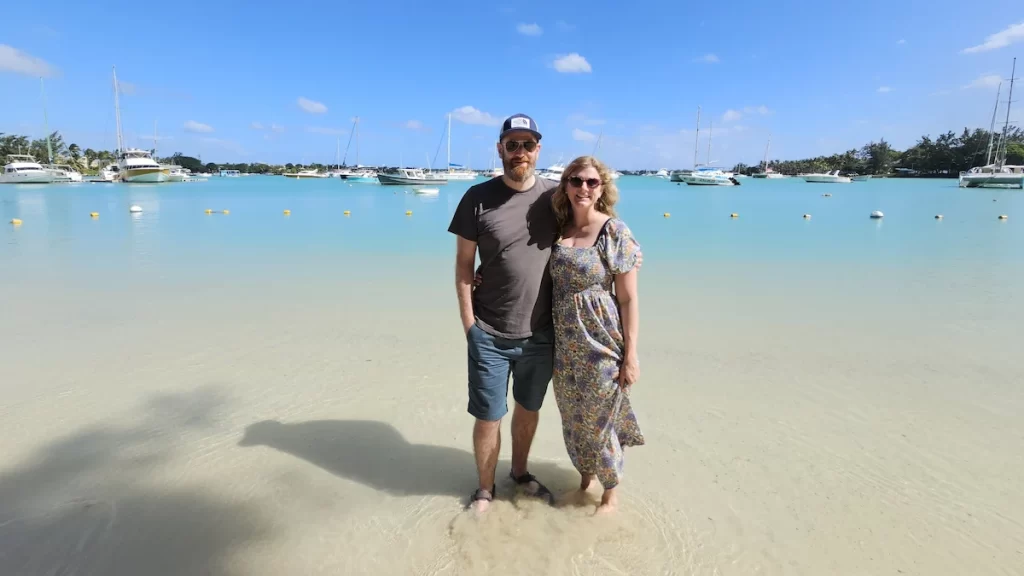
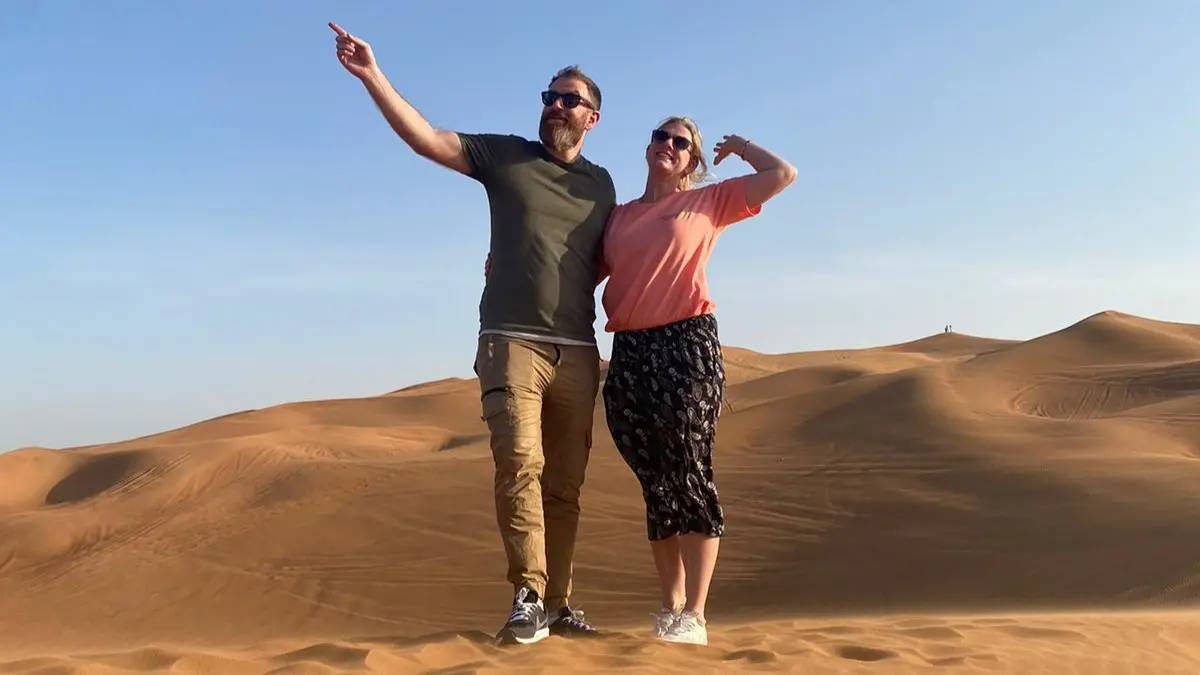
Me and my husband Jon have travelled to 33 countries together throughout our 20-year relationship. Our holidays have ranged from short European city breaks to working holiday gap years, from budget travelling to fancy all-inclusive resorts, so we’ve experienced almost every type of travel you can imagine as a couple. But it isn’t always easy travelling with another person, especially your partner. From the planning to the logistics of getting to your destination, to dealing with living in each other’s pockets 24/7, it can be a real test of the relationship. In this post, I’ll share a realistic view of how travelling with your partner affects your relationship, the good and the bad, and what you can do to make it work.
1. No couple is supposed to be together all the time
One of the biggest reasons why long-term travel is stressful on a relationship is because it’s not normal to spend that much time with one person. Think about it. At home, you and your partner would probably work 5 days a week, only seeing each other on the weekends or evenings. You would probably have your own hobbies or own friends which would take you out the house and away from your partner a few nights a week. So, in reality, a couple will often spend little time alone together in normal everyday life.
This all changes when you are travelling together. From the moment you depart, you are forced to spend time together in high stress situations. From the very start you have to navigate the airport, deal with security then spend hours next to each other on a cramped plane with no escape. So, by the time you touch down, chances are that you may already been annoyed with each other. But this is only the beginning.
Depending on the type of adventure you are embarking on may depend on how much time you spend together. But usually, travelling with your partner will mean spending significantly more time together than you would do in everyday life. When me and Jon embarked on our 2 year working holiday to Australia, we had little money so had to live cheaply and work a lot. This meant staying in dorm rooms together and often working together as well. So, whereas normally we would only see each other a few evenings a week, we ended up spending 24/7 together for months at a time. It got to the point where I got so sick of being around him all the time and having to run every decision past him, that I said I wanted to split up. Luckily, we worked past this by taking a little break away from each other and working in different towns for a couple of months.
How this can affect your relationship
Spending that much time together can increase the chances of arguments and can make you notice a lot more flaws about your partner. You may get bored with your partner or run out of things to say to each other and crave some alone time or someone else’s company. But that much time on an adventure together can also bring your relationship closer.
2. You crave other people’s company
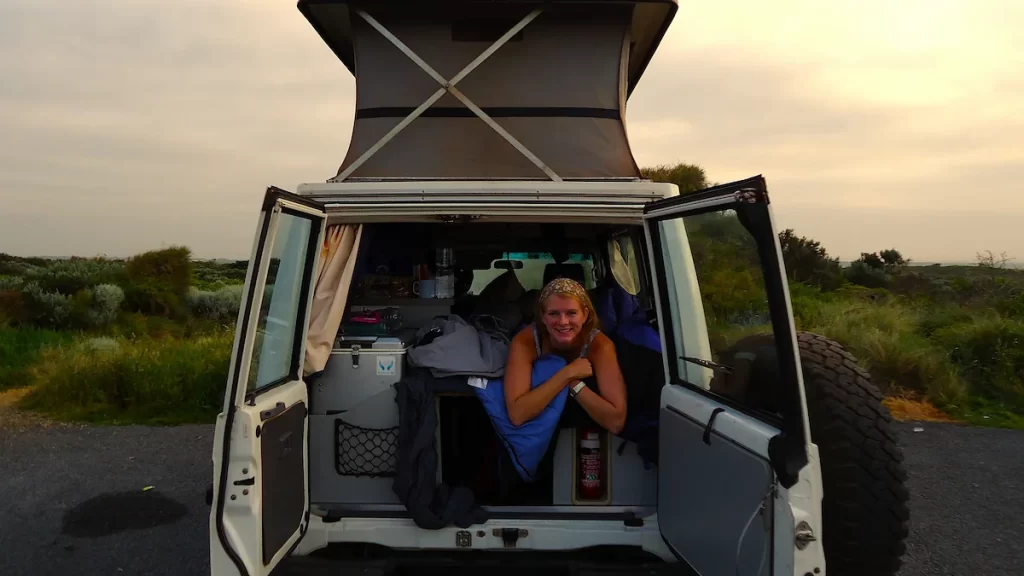
There may be times during your trip when you are spending all your time exclusively with each other. Me and Jon experienced this when we were doing campervan relocations in Australia. We had weeks of just travelling the outback areas of Australia in a campervan, stopping off at remote national parks along the way. We barely saw another human being and were forced to sleep in a tiny van together. By the end of this all we wanted was to have some time apart and speak to someone else who wasn’t each other. This is not necessarily a bad thing or a sign that your relationship is broken. Humans are social creatures and it’s not natural for us to rely on just a single person for company to fulfil all our needs.
How this can affect your relationship
If you only have each other to keep you company then it can lead to boredom and loneliness and running out of things to talk about. This can affect your mental health and enjoyment of the trip. If you’re bored with your partner, it can make you feel less attracted to each other and you may forget why you fell in love in the first place.
3. Splitting tasks may not always be equal
Backpacking takes a lot of organisation and planning. Even while on the road there is still a lot to do on a daily basis. Whether that’s laundry, booking accommodation or driving to your next destination, there are many things which need to be done. One of the upsides of travelling with a partner is that you can split the workload between you making it more manageable. However, it’s common to find that tasks might not be split exactly 50/50. For example, only one of you might drive, meaning that one person has to take on 100% of the driving responsibility. Or one might be a great cook and the other hates cooking, or one partner might be bad at organisation and leaves it all up to the other person. These are just some of the ways where tasks may not be split completely equally between a couple.
For us, it was generally me planning and booking everything and Jon just tagging along. I enjoyed the excitement of planning a new adventure, and Jon just often left me to it, but sometimes I did wish that he would help more or come up with suggestions, so I didn’t just feel like it was all on me. Sometimes it was tiring spending days researching flights to try and find the best deal. This often led to arguments between us as I wanted him to help more. Whereas he would get frustrated by me over-researching everything and wanted things to be more spontaneous. If you asked Jon about things, he would probably point out many chores which he did more of when we were away, such as washing up, cooking or driving, all of which I don’t really like doing. And he would be right. I probably didn’t help with those things as much as I should of and I’m sure it annoyed Jon.
How this can affect your relationship
One person feeling like they are doing most of the work can lead to resentment and arguments between a couple. Likewise, if one person isn’t involved in something e.g. booking accommodation or driving, then they can feel left out and like they don’t have as much of a say in what they do or where they go.
4. Arguments are natural
I’m not going to lie; there will be many arguments throughout your trip. Travel can be stressful, whether it’s running to catch a train, working in hot temperatures for little money, trying to communicate in a foreign language or not being able to sleep because of inconsiderate roommates. All these things will drive anyone crazy. Combine that with spending an unnatural amount of time together, panicking about money and disagreeing over how to spend your day and it’s only natural that arguments will happen.
One of the times when me and Jon argued the most was when we were volunteering on a farm in the Australian outback. It was 35oc and we spent days tearing down miles of barbed wire fencing which was old and tangled in the long grass. It was physically exhausting, and that combined with the blistering heat and the constant cuts we ended up getting from the wire, meant that tensions were running high. We constantly shouted at each other for doing things the wrong way.
How this can affect your relationship
Arguments are not necessarily a bad thing as long as both parties recognise when things have gotten out of hand, apologise and try to resolve any situation. In fact, not airing your grievances with each other can lead to resentment further down the line. But constant arguing can ruin your trip and in extreme cases, the relationship.
5. Compromise on everything
Travelling with your partner means that you always have another person to consider. You both have to agree on where to go, what to do, how to get there and where to stay. Unless you both love exactly the same things and same style of travelling, this will result in a lot of long discussions and compromises for both of you.
I am always one to put budget above pretty much everything. I will spend days shopping around for cheap flights just to save a few pounds, whereas Jon prefers to just book something. This often results in us arguing over how much time is too much to spend searching for a bargain. Then there is the question of where to go and what type of travel style you want. Is one of you looking for something relaxing but the other wants adventure? Is one person happy roughing it in a hostel dorm, where the other wants a hotel with an en-suite.
Out of the two of us, Jon has always preferred a little bit more comfort. He will stay in hostel dorms mainly because he knows I wanted to or because we had no choice due to our tight budget. This means that he probably felt like he was compromising on where he wanted to stay. Likewise, I am not really into history but have often found myself traipsing around museums or on a tour about World War 2 because Jon was really interested in it. Although it was all interesting stuff, if I was travelling alone I would have chosen to spend my time and money on different activities.
Some couples may share money while travelling while others will have their own finances. Any differences in budget can result in both parties having to compromise. The one with a smaller budget may either not have the finances to do all the things they want, or they may feel forced into spending money they don’t have on activities or accommodation which their partner wants to do. Likewise, the one with the higher budget may feel restricted by their partners financial differences and not being able to do all the things they want to.
How this can affect your relationship
Constantly making compromises can lead to neither of you feeling completely fulfilled with your travel experiences. This can lead to arguments or resentment as neither of you have been able to do all the things you wanted to do or had the trip you dreamed of.
On the flip side, compromising means opening yourself up to new experiences you might never have done if travelling alone. Jon has so many hilarious stories and made wonderful friends from the times when I made us stay in hostels. Likewise, I have learnt so much from all the historical tours Jon dragged us on and have pushed myself out of my comfort zone doing gruelling hikes which Jon really wanted to do. Doing these things together gave us both great memories and made us understand each other’s passions and interests more, ultimately bringing us closer together.
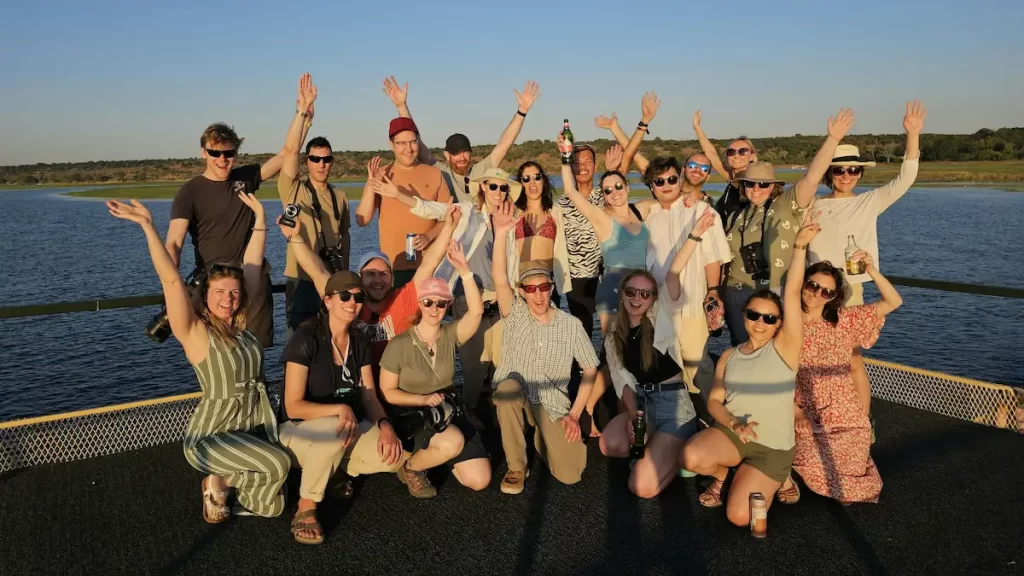
6. Form new friendships together
Travelling as a couple can make it more challenging to make new friends. Solo travellers are always looking for people to meet and are more open to new interactions. Whereas couples travelling together sometimes rely too much on each other for company that they forget to meet new people. I’ve also noticed that couples seem to be approached less by other travellers. The reason for this is many people think that couples either aren’t looking for friends or they want to disturb ‘couples time’ and instead are more drawn to making friends with people travelling by themselves. That’s not to say that couples travelling together won’t make friends, but you both have to make the effort to meet new people and not just hang out with each other all the time. I find that couples travelling together will be more likely to make friends with other couples as they will probably have more in common and no one will feel like a ‘third wheel’. When me and Jon travel together, we really try and be social and to interact with other people who may be in our hostel or on our tour. It just stops us getting bored of each other and makes the trip more enjoyable.
The great thing about meeting new people when travelling is that new friendships can be formed, and when travelling as a couple, you can make those new friends together with your partner. Having the same friends as your partner enlarges your social circle and can make your time on the road together more fun as you have extra people to hang out with rather than just each other.
How this can affect your relationship
I don’t think anyone has ever said that they don’t want any more friends. Having more people to interact with can make the trip more enjoyable and helps to stop you getting bored of each other. Plus, if things get difficult between you both or you’re getting to the point where you are bored of each other’s company, you have other people to hang out with or turn to for support. This is beneficial for good mental health. Forming new friendships together can not only give you great memories while you are away, but continued memories and friendships long into the future.
7. Both of you will be changed
You may have heard the sayings ‘travel broadens the mind’ or ‘you will discover yourself’. While these are a bit cliché, I genuinely believe they are true. Travelling exposes you to different cultures and ways of living. It pushes you out of your comfort zone and challenges you. So, it’s almost impossible not to be changed in some way by the experience. Whether that’s becoming more confident, discovering a new hobby or having your views or values changed.
When you are travelling for a long time together as a couple, it’s natural that you may start to see these changes in each other and you may be very different people at the end of the trip compared to when you started. Jon was always more reserved and was content with a simple life. It was my idea to go travelling and would often drag him along with me on my many crazy adventures. But…..he loved it. It made him a more open minded and outgoing person. Before he wouldn’t talk to strangers, but now he will happily stay in hostel dorms or agree to go on a night out with someone he just met. And these changes made me love him more.
How this can affect your relationship
The changes you both go through while travelling can have a big impact on your relationship in both good and bad ways. Travelling can bring out positive qualities in your partner that makes them more desirable such as increased confidence, a new language or skill, or a renewed zest for life. You might also discover new passions together which can bring you closer as a couple. Or perhaps it leads to major life decisions like finding your dream destination where you both want to settle down. There are so many positive changes that can occur when travelling with your partner which can strength your relationship and help you both discover what you want from life.
Sadly, travel can also change people into versions of themselves which are so different that it means that you are no longer suited to one another. These changes could be extreme, such as one person finding religion, becoming highly political or altering their core values or it could be something as simple as a change to the person’s appearance or fashion sense. Regardless, these changes can lead to couples realising that they no longer love this new person or discover that they are now on different paths in life. Sadly, it isn’t uncommon for a couple to breakup after backpacking for a long time together.
8. Shared memories
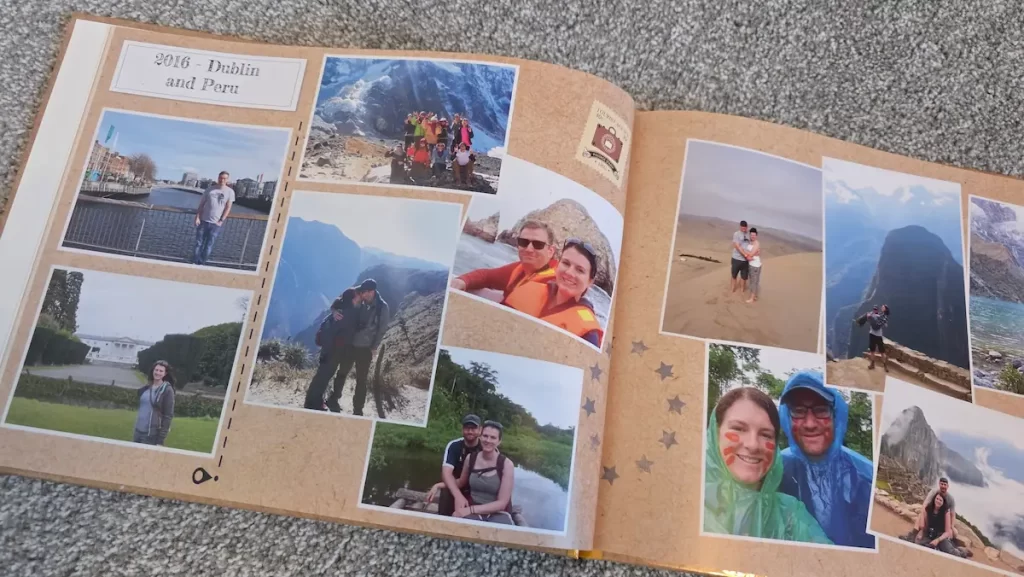
One of the best things about travelling with a partner is all the memories you can make together. Solo travelling is liberating, builds independence and means you can do what you want when you want. But travelling with a partner, some who you love and trust, can be extra special. You can visit incredible places together and share new experiences which will create memories that will last a lifetime. You can grow old together still talking about the time you bungee jumped in New Zealand or almost got eaten by a lion in Africa or reminiscing about the strange people you met along the way. Me and Jon have had 20 years together and our most favourite memories are all from our adventures around the world. Despite all the arguments, crying, and hard times we had on the road, we are so grateful for the experiences we shared together and the precious memories we made.
How this can affect your relationship
Making memories together can bring you closer to your partner. It gives you interesting things to talk about for many years to come rather than just being stuck discussing the same mundane topics. It can remind you both how fun and exciting life can be and can add a spark back into long-term relationships.
How to successfully travel with your partner
- Have time apart – It’s healthy and natural to not want to spend every minute with your partner, even if you love them dearly. Ensure to pencil in some time without your partner when you are away. Go on a day trip by yourself, try a new hobby alone or just spend time with friends. If you are on a gap year and really need a break, then consider having a longer time apart. Me and Jon moved to different towns in Australia when we were on our gap year and it really benefited our relationship and made the rest of the trip a lot more enjoyable. Not only will this be beneficial for your mental health, but it will also give you and your partner something new to talk about when you return. Just don’t feel guilty for doing things by yourself or offended if your partner asks for time to alone.
- Make new friends – Having other people around who you can hang out with or turn to for support can be beneficial when travelling with a partner. These could be new friends which you make yourself or ones you make together. Either way, meeting new people stops the monotony of being with the same person all the time, expands your social circle and adds some extra excitement and a new dynamic to your trip. (Need help making new friends? Then check out 20 tips for making friends while travelling.)
- Discuss what you both want from the trip – Just because you love your partner and enjoy spending time with them, doesn’t mean that you necessarily have the same interests or ideas about what the perfect trip might be. That’s why before even booking you should both discuss what kind of trip you want. Theres no good deciding to go away together and booking flights only to realise that one person wants a working holiday gap year and the other wants more luxury and relaxation. Also have discussions about where you want to go, how long you want to be away for, and what are any non-negotiables to make sure you are on the same page. This can help minimize arguments and resentment when you are away. If you discover that you want very different things, then perhaps it’s better for you take someone else or to both do your own solo trips.
- Have new experiences together – Trying new things together can push you out of your comfort zone and give you both a lifetime of memories. It can also break up the monotony and repetition which can occur with long term travel. Think skydiving, hitchhiking, or just taking a cookery class together.
- Work different jobs – If you are on a working holiday, then try and get a different job to your partner. This may not always be possible, especially if you are undertaking farm work in rural areas. But if you can, having a different job from your partner means that you are not spending 24/7 with them and it also gives you lots to talk about when you do see them at the end of the day.
- Play to each other’s strengths – Everyone has different strengths and tasks that they prefer to do. Ideally chores would be split 50/50 between a couple, however, there is no point doing that if one person hates a particular task but the one loves it. This is where a couple should discuss in advance what tasks they are both good at or enjoy doing, and which they hate. Then tasks or chores can be divided based on what each person prefers to do. For example, if one person loves washing up but the other hates it, but they enjoy cooking, then it seems silly make each individual do 50% of each task. Instead, the person who loves cooking could do the majority of the cooking and the other person who is happy to wash up, could take on the responsibility of doing most of the washing up. This is playing to every person’s strengths and means that people aren’t having to do tasks they hate when they are away.
- Discuss finances before you book – Discussing money can be an awkward topic, even with your partner. But, it’s an important topic to discuss before you even book your trip. You have to ensure that you are both aware of how much each other can afford to/is willing to spend on the trip to make sure you are on the same page. What is your budget for the trip? Are you needing to be frugal or can you splash the cash a bit on nice accommodation or experiences? What things are you both happy to spend money on and what are you happy to do cheaply? Deciding in advance can help you both have an idea on what type of trip to expect and stop any awkwardness or arguments while you are away.

How travelling with your partner affects your relationship
Travelling with your partner can affect your relationship in both positive and negative ways. It can bring out the best and worst in both of you and when you are travelling together 24/7 there is nowhere to hide. Spending long periods together in unfamiliar, sometimes stressful situations will challenge even the strongest couple. But it can also be incredibly rewarding. You’ll share new experiences, grow together, and make memories that last a lifetime.
For a relationship to thrive on the road, communication and respect are key. Decide in advance what you both want from the experience, give each other space, make other friends and accept that arguments are natural. Approaching travel with a realistic view of the challenges and a willingness to compromise will go a long way in preventing resentment and arguments. If a couple can survive travelling together, then their relationship is probably strong enough to withstand anything life throws at them.
Let me know in the comments if you have travelled with your partner and what your experience was like.