We all hope that our trip is perfect, that we make friends, see incredible places, have life changing experiences and don’t run out of money. It would be ideal if every trip was like that, but travelling can be unpredictable and disasters do happen. But travel disasters don’t have to be a bad thing, we can learn from them, and they can help us grow as people. Not only that, but travel disasters can also make for the best stories and the most memorable experiences.
To demonstrate this, I have compiled a list of some my craziest travel disaster stories so far and what I have learnt from each one.
The night I almost got eaten
When I signed up to volunteer in Madagascar I didn’t think I would end up face to face with a very angry crocodile.
I’ll set the scene. It was dark and we were on a small, very low lying wooden boat in the middle of the mangroves. Our task was to assist the scientists with spotting, catching and tagging wild Nile crocodiles. This had been carried out in the same way successfully over the last several years. Spot the croc, hook the croc, pull the croc onto the boat for tagging, release the croc. This is why we just went along with it.
Midnight was close at hand, and we were on our way back when we spotted a shining pair of eyes on the water. Success, we had finally found one. One member of our small team grabbed the dog catching pole and the driver carefully moved the boat towards the animal, ready to hook him and drag him on to the front of the boat. A textbook throw of the loop which landed around the crocodile’s neck. But something happened. The croc was too quick, too strong, and he pulled hard on the pole and dived under the boat, nearly taking the scientist with him.
While all this was going on, I was sat in the boat on a rickety wooden seat looking out over the water, when all of a sudden, ‘SNAP’! teeth emerged. The crocodile had launched itself out of the water right next to my seat and I came face to face with a very angry crocodile. I leapt onto the lap of my university professor sat next to me to get out the way. I think he was as surprised as I was by that.
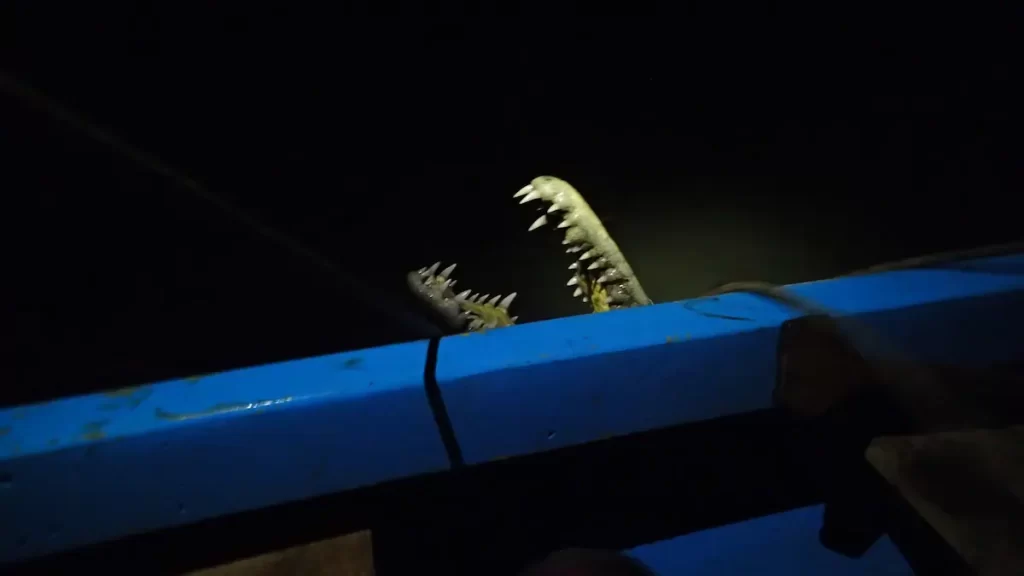
The local crew were incredible, leaping into action immediately to wrangle the croc and secure its mouth closed. But now we had the predicament of what to do with the animal now we had caught it, as it appeared to be larger than usual.
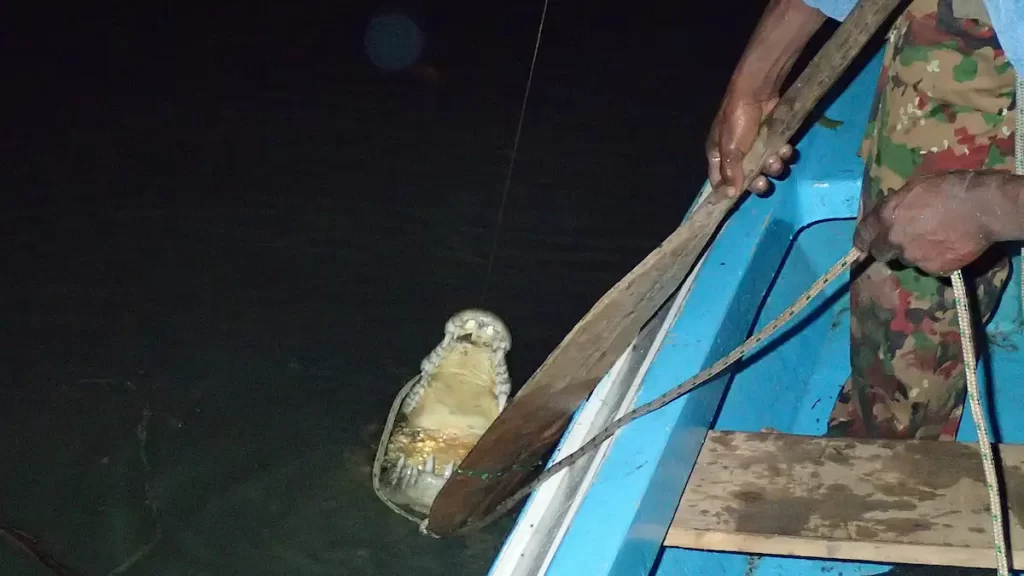
The first suggestion was to drag the croc into the boat as normal. We were told to all move to the back of the tiny boat to protect ourselves and to balance the weight. One person started making a barrier between us and the animal with the boat’s oars. We had been told that the crocodile could swing his tail around and potentially break our legs if it hit us. That’s when the panic really set it. We were in the middle of nowhere with one of the world’s most deadliest creatures, which we had really annoyed, and we were about to drag it onto a tiny boat with 8 other people which could capsize at any moment.
Thankfully, the attempt to get the crocodile into the boat failed as he was just too big and heavy. Then came plan B. We were going to row back to land dragging the croc behind the boat. Thankfully, that worked and we got it back onto land by dragging it up a muddy bank.
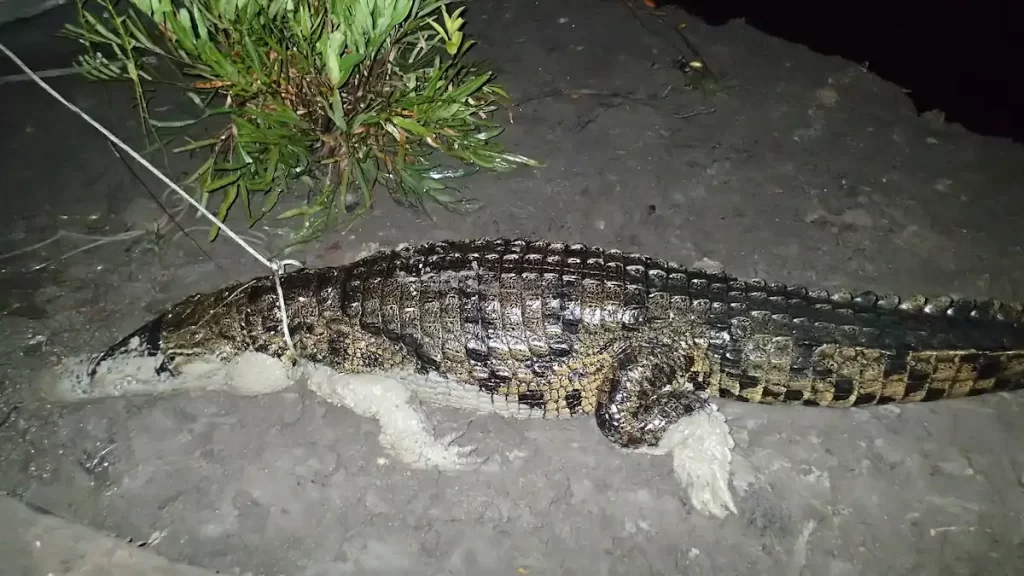
But the fun didn’t stop there. It took 3 men sitting on it to restrain it while the animal was measured and a scale removed as part of the tagging process. Even though I wasn’t wrangling the animal, or tagging it, I definitely had the weirdest job of all. I was instructed to put my fingers up the animal’s nose to pull out all of the mud to ensure that it could continue to breathe while its mouth was taped.
Then came time to release it. There was no plan to it. The locals just said that it would be untied and to run like hell. And we definitely did.
We returned back to our camp just before 2am, to a lot of very worried people who had expected us back hours ago. We were shaken, muddy and high on adrenaline but had a story which would last a lifetime.
What I learnt
In hindsight I realise that this was an incredibly dangerous thing to do and it should have been set up in a much better way to minimise the risk to human life. We discovered afterwards that the crocodile measured 3.5 metres (11.5 foot) long and it was three times the size of any crocodile which had previously been spotted in the area. Even so, if you are asking for volunteers to help with a project like that, they need to be better prepared to know what to expect and what to do if something goes wrong. All we were told before we started was that we were going out on a boat to spot and tag crocodiles.
That being said, surviving something like that is invigorating. It is by far my coolest travel story and it is something which few people can say they have experienced. I am grateful for a memory like that and it actually brought me incredibly close to my university professor as we shared the same harrowing experience and we are still great friends to this day.
I think with a scary experience like this the key thing is to not let it put you off doing something similar again. Since then, I have been on similar small boats in the African wilderness and even went onto become a zookeeper after that. That experience actually helped me in my career. Witnessing how crocodiles react in the wild made me understand their behaviour better and how unpredictable they can be, which ultimately made me a better and safer zookeeper.
A beach stroll gone wrong
A relaxing walk along the beach in Israel took an unexpected turn when a kitesurfer lost his way.
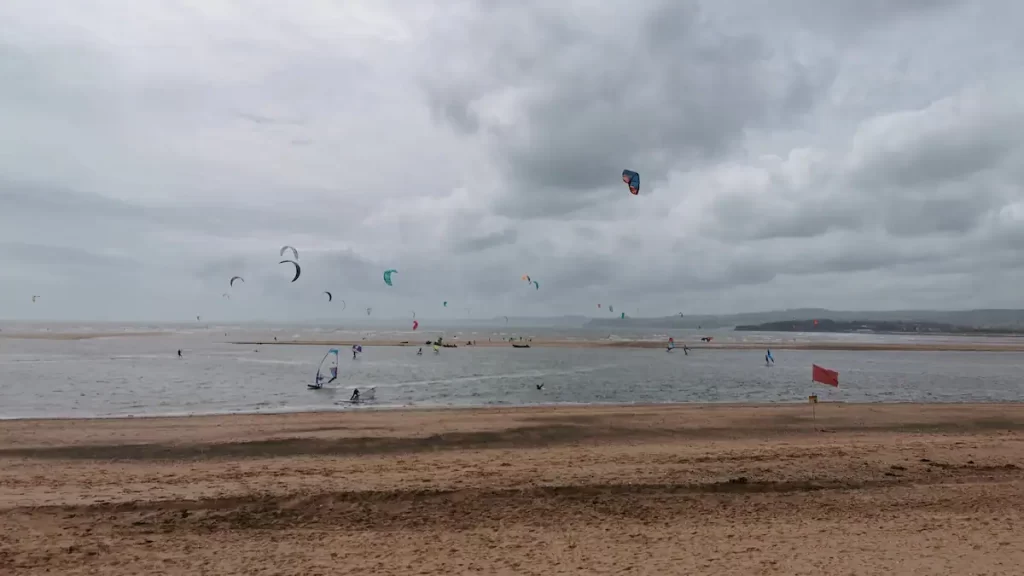
I was enjoying a beach break in Eilat, Israel when me and my husband Jon decided to go for a stroll along the beach. We wanted to go for a swim but noticed an area with a large amount of kitesurfers, so Jon suggested that we walk further along to find a spot that was quieter. Little did we know that that was going to turn out to be a big mistake.
As we were walking I heard my name yelled loudly only to turn around and see a 6 foot man flying towards me. He had lost his board and the wind had taken him out of the water and up to the beach. SMASH! He collided full force with me and swept me off my feet. But with the kite still attached to him, the wind dragged him further. We ploughed through beach loungers and parasols all the way up the beach before coming to a stop with me landing on top of his neck.
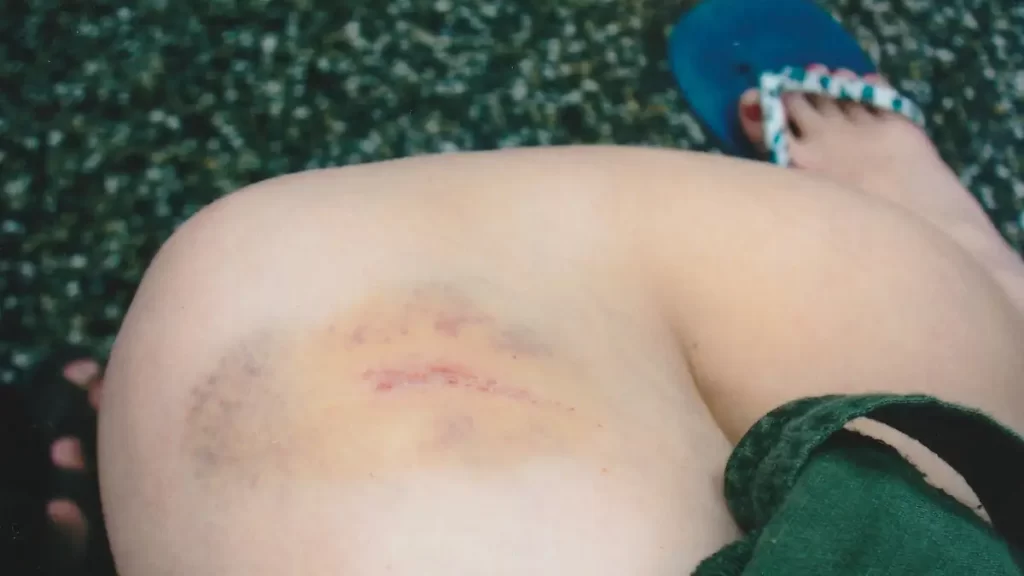
‘I’ve killed him’ was my instant reaction. Thankfully I hadn’t. We both got up dazed and confused and with only minor injuries sustained. Me with cuts and bruises and him with a possible broken leg.
The locals kindly helped up both, but with my Hebrew non existent and them speaking very little English, it was hard to communicate to let them know I was ok. Fortunately, after resting for a bit, I was able to get up and continue on with my day, a little shaken up but other than that all ok.
What I learnt
The unexpected can happen at any time, even if you are doing something mundane. My life could have been changed irreversibly that day. Either of us could have easily been seriously injured or worse.
I think moments like this really make you rethink how quickly life can change and how you have to live more for the moment as you never know what might happen.
When the dream is not as expected
I was so excited to be finally fulfilling my dream of working with rescue animals in the Amazon rainforest. After months of planning and research, I had found an independent organisation which carried out conservation research and rescued injured wildlife. Bonus, it was only $200 for 2 weeks, a lot cheaper than all the other volunteering holiday organisations.
I was doing my degree in Applied Animal Science at the time, so volunteering abroad was not only an incredible experience but it was a great boost to my CV and future career. I had already been travelling for 3 weeks around Peru with Jon. He then returned home and I had planned to stay a few more weeks to volunteer.
Getting into the rainforest was a challenge. I had presumed that someone would pick me up, but no, I had to make my way out of the city to a rural bus depot. Without speaking much Spanish, I squeezed myself onto a local minibus and started my long journey into the forest, not even knowing which stop I had to get off on.
Hours later I got picked up by an unknown man who owned the reserve and he took me the rest of the way into the rainforest.
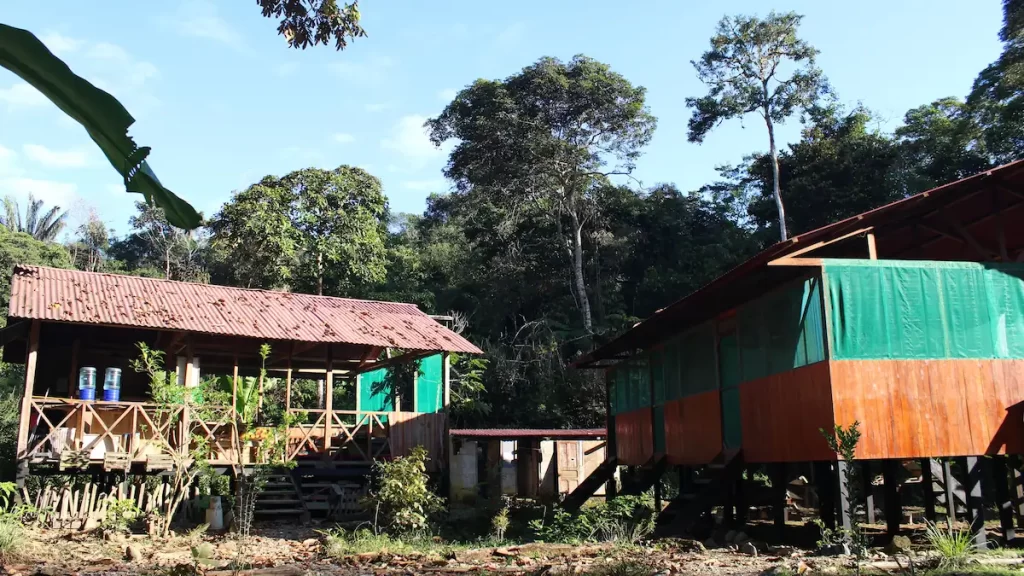
I was expecting at least basic facilities but what I didn’t expect was the fact that there was no running water, electricity or much to eat. My bed was in a basic hut and my shower would have to be in the river. However, that was not going to be my biggest surprise.
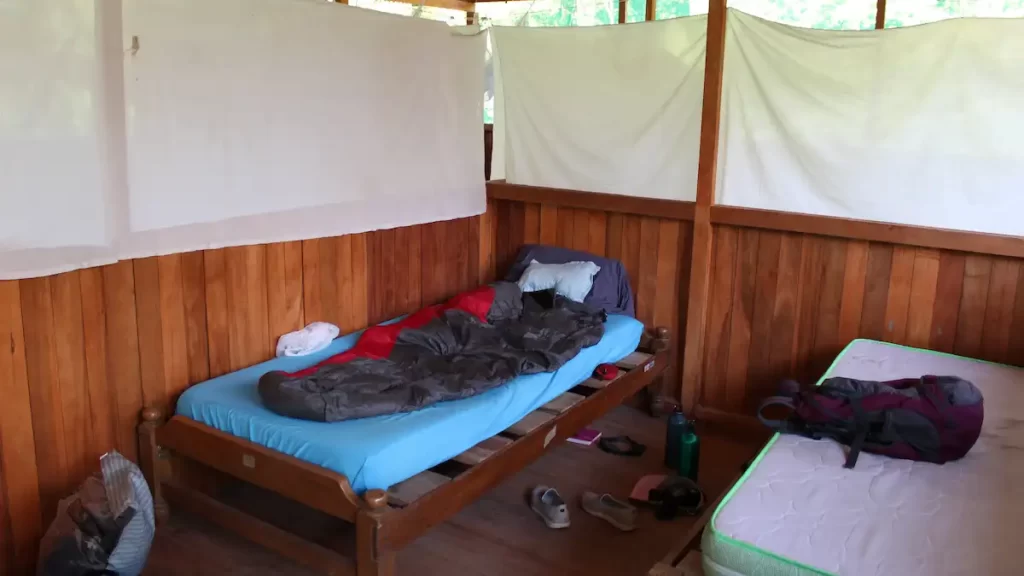
I discovered I was there alone. Fully alone. No other staff or scientists, no other guests, no civilisation for miles around. Just me and a strange man I had just met in the middle of the Amazon rainforest. I tried not to panic. Luckily, I don’t scare easily, so I started trying to get to know this man and learn more about his rescue centre.
Shockingly, what I first found out was there was no rescue centre. It had closed down years ago. Secondly, there was no other staff or volunteers there, just me. Thirdly, I discovered he wasn’t a scientist carrying out research there, he was just an electrician who happened to own a plot of land in the rainforest. Now I was panicking.
It turned out, that he owned the land and lets scientists and university students from all over the world pay to stay in his cabin and carry out their own research. He didn’t even have his own research equipment, he expected me and other people to bring their own. Obviously, I hadn’t. He did say that there were more people coming in a few days, but the only work that needed doing there was to help fix the gravel track that lead to the hut.
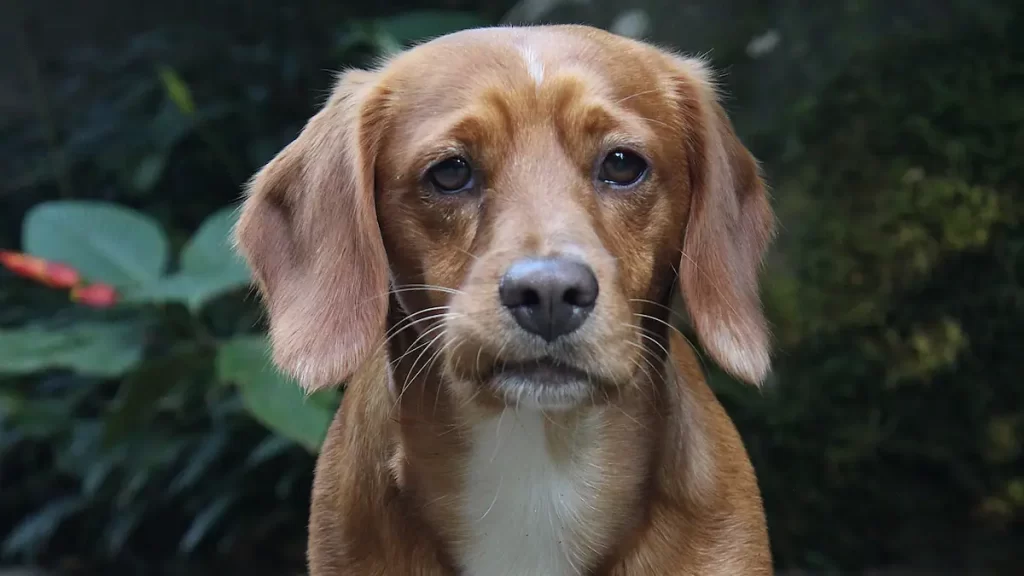
Dinner that evening was tinned ham and pasta. Not too bad. But he promised to take me to the local village to get groceries the next day. Fast forward to the next day and he was ill and unable to take me, so I was there by myself, with no food, no work, and no company except for a sick stranger lying in bed and a dog.
I realised in that moment that I had made a huge mistake. I had planned on volunteering there for 2 weeks, but I had only been there 24 hours and I already wanted to make my escape.
I went for a walk to try and think things through and something miraculous happened. My phone pinged with signal in the middle of nowhere. In that instance, I knew I had to call Jon, regardless of what time it was back in the UK or how much it was going to cost me. After a long weepy phone call, he convinced me to find anyway to leave and try and make it back to the city. Understandably, he was beside himself sitting in bed at home knowing his wife was stuck in the rainforest alone with a strange man and nothing was as had been advertised.
I plucked up the courage to ask the owner if I could leave, making up an excuse of my grandmother being rushed into hospital and me having to fly immediately back to England. Luckily, he was understanding but explained that as it was nighttime, I would have to wait for the morning to catch the bus. Alternatively, the other option was a taxi from the local village half an hour drive away. I knew in my gut I couldn’t stay there any longer. It wasn’t that I was scared of this man, as to be fair to him, he had been nothing but nice, but I knew I couldn’t stand the isolation and the thought of another night there made me so distressed.
He drove me to the taxi and explained to the driver in Spanish where I needed to go. Next came 6 of the most awkward hours of my life. Sitting in the front seat of a taxi in the middle of the night next to a person I could not communicate with, only just enough words to ask for a toilet stop.
Relief, I made it back to the city of Cusco at midnight, in one piece. The final challenge was to find accommodation. I was fortunate that I had visited Cusco before and knew my way around, and after knocking on the doors of several hostels I managed to find a bed for the night.
The next days were spent rearranging flights to fly back to the capital Lima, then onwards to the UK. Returning home 2 weeks earlier than I had expected and with nothing but a story to show for my trip.
What I learnt
The main thing I learnt from this experience is that it is ok to admit defeat. Yes, I could have stuck it out and maybe I would have become great friends with this man. I might have enjoyed helping him fix the road and perhaps there would have been more people who would have arrived later. But I knew deep down in my gut from that first night there that this wasn’t what I wanted and that I needed to get out of that situation for my own sanity and personal safety.
Initially I felt like a complete failure. I had made a mistake and chosen the wrong place, then I couldn’t stick it out. And I had wasted money and stressed out my husband. But strangely enough, when I tell this story to people, the opposite is true. They think I am incredibly brave for travelling to one of the most remote places in the world, single handedly without knowing much about where I was going, who I was going to meet and without being able to speak the language. Everyone I have spoken to say that they would have never done what I did. So for that, I am proud of myself. I took a leap of faith and followed my dreams. Yes, it didn’t work out, but I solved the problem myself and took charge of the situation, even if that meant walking away from what I had set out to do.
A matter of hours can make all the difference
In February 2011, we made our way on a bus from Queenstown to Christchurch, New Zealand. We had been travelling by bus for a few weeks now and this ride was just like any other. A few hours out from Christchurch, we had heard there had been an earthquake. Although slightly worrying, we thought not much of it as there always seemed to be earthquakes in New Zealand.
As we got closer and closer, the bus driver became increasingly concerned and told us the city was closed, and we would have to get dropped off at the airport on the outskirts. Again, not too worried at this point. The bus driver dropped everyone off and basically told us ‘good luck’, then we were left in the car park of an airport. ‘Not to worry’ we were thinking, we will just hang out in the airport for the night then work out what we shall do from there. But, the airport was also evacuated. When we got dropped off we saw there were hundreds of other people all of whom had nowhere to go.
This is when we experienced the kindness of strangers. A nearby hotel, which was already fully booked, opened up its doors to everyone on the street. Hundreds of people flocked in. They opened the function rooms in the hotel and any other room which could accommodate people and gave everyone a roof over their head for the night.
It wasn’t luxury, we all had to lay on the floor wherever we could find space, but at least it was warm and safe. They even went as far as cooking up every piece of food in the hotel to feed everyone and handing out whatever pillows and blankets they could find.
As we were younger and had some sleeping bags, we made sure not to take anything unnecessarily, instead leaving spare chairs, blankets and pillows to the elderly and those in need. Sadly, though there were a few people who were more selfish and acted as though they were on holiday in a fancy resort, entitled to everything that was being offered.
Now that we were safe and fed, we had to find a way out of the city. In a pre-smartphone and pre-Wi-Fi era, we queued for hours to use one of two public computers the hotel had. We needed to book some onwards transport and to send a message back home to prevent our families from panicking when they turned on the news the following morning. Luckily, we managed to book onto a coach leaving the city the following morning.
Nighttime came and so did the aftershocks. With each one, we became more and more scared that it would bring down more of the city or set off another large earthquake. There was a TV in the lobby which kept showing photos of the destroyed city and the current death toll. Next to us was some Italian backpackers who had been in their hostel at the time of the earthquake and had managed to capture the horrific scenes on video. They understandably were shaken up by the experience they had just lived through.
Morning came. We had survived the night. Time to get out of there.
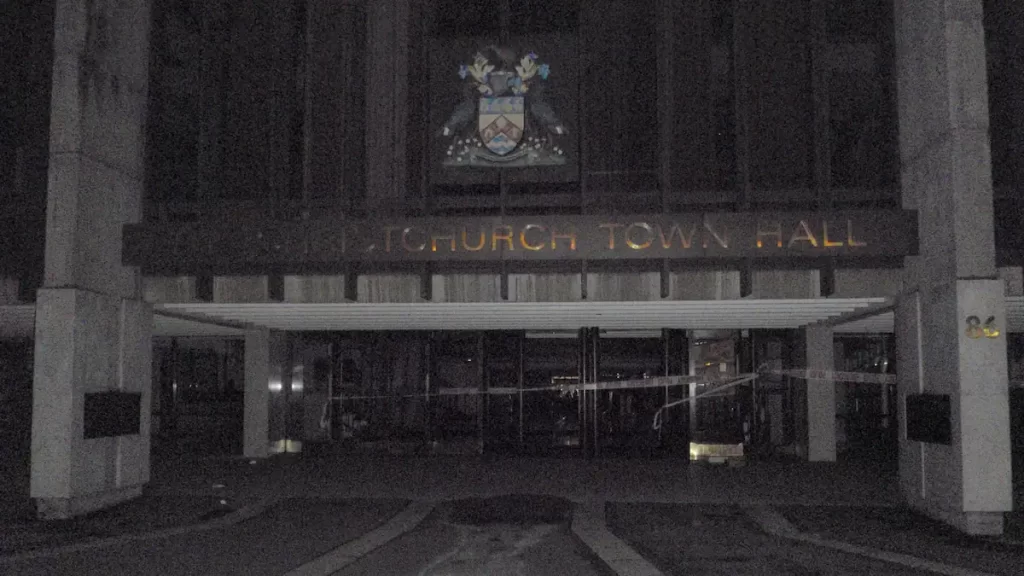
We had arranged to meet the coach in the city centre, but when we got there in the morning it was still cordoned off due to the city being structurally unsafe. Nevertheless, we explained out situation to the military officials guarding the city and they took us to where we planned on meeting the bus.
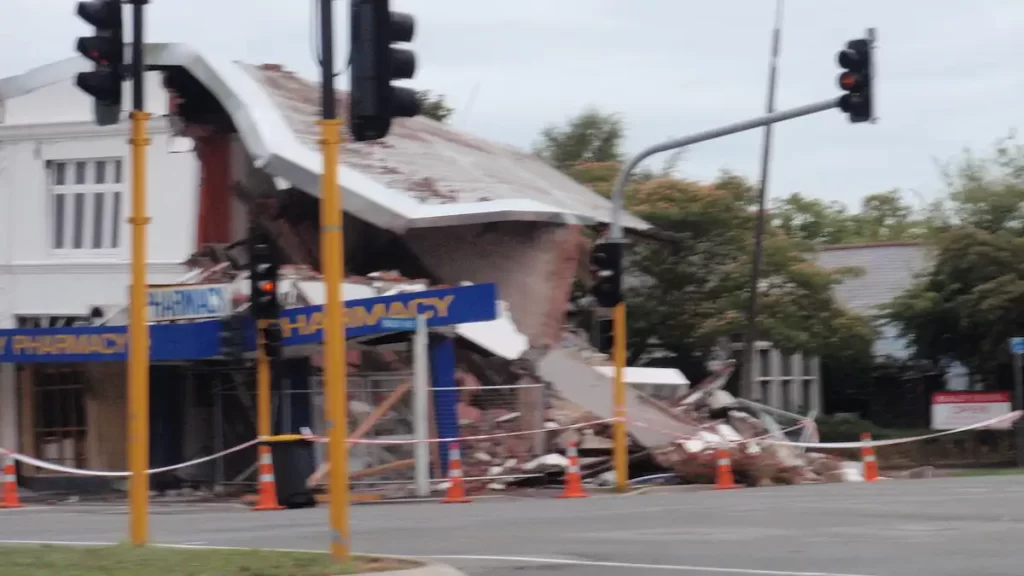
We walked through the city streets in shock of the sight we saw. Buildings crumbled to the ground, whole roads folded up in weird shapes. It was like something out of a disaster movie. I wanted to take photos but I felt like that was disrespectful to those who had lost their lives and their homes.
When we arrived at our supposed pickup point, the army left us. Alone. In a dark abandoned city. It was surreal. We waited, and waited but no bus came.
Eventually more military found us and said they had found our bus waiting on the outskirts of the city and took us to it.
The trauma didn’t stop there though. Our bus driver was a local man whose house had been destroyed in the quake. He told us a story of how he had lost everything and how his son witnessed someone getting crushed by the cathedral spire when it collapsed. He didn’t want to be working but had nowhere else to go and was in the same clothes as he was in yesterday.
Finally, we managed to make it out of the city and onwards to safety.
The final death toll of the February 2011 earthquake was 185 people. We had missed it by just 2 hours.
What I learnt
This experience taught me that people are ultimately kind. Yes, there were some selfish people who took advantage of the situation, but for the most part, people from all over the world came together to help each other in a time of crisis. It forced us into an unfamiliar and unexpected situation which made us step up and find solutions to our problems. Something which is such an important life skill.
It made us appreciate the hardship that some people have to live through and how small our problems seem in comparison. We live in the UK where thankfully there are no wars, deadly diseases, poisonous animals or major natural disasters. However, this makes us British people moan about trivial little things. Whereas when you live somewhere where your home or your life could be wiped out in an instance, it makes you reevaluate what is important and why silly little things don’t matter.
When travel disasters stop being funny
Not every travel disaster is going to result in a funny story and some genuinely could ruin your trip or even your life. Minor mishaps such as trying to travel on an expired passport will prevent you from even making it to your destination. Whereas poor safety awareness could result in your possessions being stolen or being attacked, or worse. The key to avoiding these types of disasters is awareness and preparation.
Below is a list of some common things which can go wrong while travelling and what you can do to prevent them.
- Missing your flight – It can be expensive and inconvenient if you miss your flight. Aim to get to the airport at least 2 hours beforehand for a short haul flight and 3 hours for long haul, or if it’s a large busy airport. (Read more about the best ways to get to the airport HERE). If it’s your first time flying, it is also a good idea to understand how to navigate an airport to avoid any delays or getting lost.
- Not having the correct documents – Visas and passports are vital for travelling and incorrect or expired documents can prevent you from entering a country. Check out the FCDO website prior to travel to find out what documents are needed for the countries you are visiting. (Read more about the importance of the FCDO and how it can help you HERE).
- Getting sick or injured – Sometimes getting sick or injured is just unavoidable and accidents do happen, however there are little steps which you can take to minimise the risk of being unwell while travelling. See our full blog post on how to avoid getting sick while travelling.
- Ending up in the wrong location – Double check the location before you confirm your flight, bus or train. There are many places with the same name around the world, so make sure you have booked to go to Paris, France and not Paris, Texas. If you are taking public transport and are not sure where to get off, then don’t be shy to ask the driver or another passenger, you often find people are happy to help.
- Valuables getting lost or stolen – Having your valuables disappear can be distressing and expensive. Luckily, our blog post explains lots of ways to prevent your valuables getting lost, stolen or damaged.
- Falling out with your travel companion – Travelling can be stressful and it is only natural that there may be times when you don’t see eye to eye. This is completely normal and in times like this it is important to give each other space. Just because you are travelling together doesn’t mean you have to do everything together. Can you spend one day apart or even a whole week? Having time apart can make you appreciate each other when you meet back up. It can also give you time to do things by yourself that perhaps the other person is not interested in doing.
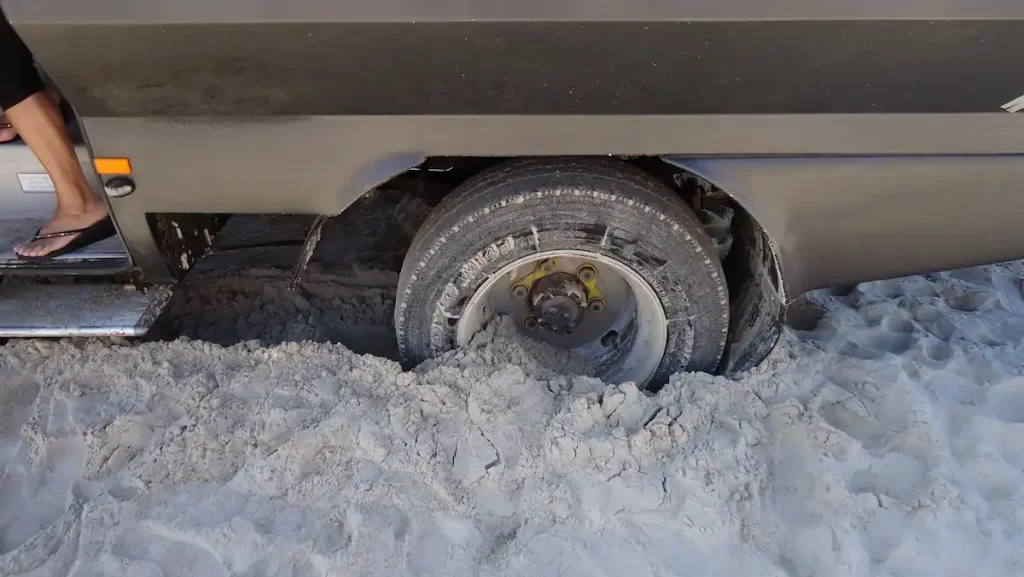
- Bad weather and natural disasters – Theres an old saying that there is no bad weather just bad clothing. This is very true. Most bad weather can be made better by packing the right clothing and equipment. If you know you are going camping in cold conditions, then ensure you have enough layers and a good quality sleeping bag. Also consider what happens if it did rain. For hot countries don’t forget suncream, hat, sunglasses and plenty of water. If you are going to a country which is known for natural disasters, then double check if there is a particular season to avoid e.g. hurricane season. This can be checked on the FCDO website.
How to put a positive spin on things
A positive mental attitude is something which we should all try to have when travelling. It can be easier said than done but try and think about the fact that your situation is probably not the worst thing that has or could ever happen to you.
Here are some steps to try and get your mind back on track and resolve your issues.
- Identify the problem – What has happened? Are you sick? Have you missed your flight? Have you lost something?
- Take charge of fixing it – Quite often you will have the power to resolve your problem, even if you don’t do it alone. Talk to your travel companion, get help from tour guides, go to your embassy, Google the answer. Taking charge will make you feel empowered and will help resolve the situation.
- Do you have a backup plan? – In previous blog posts I have spoken about how to plan your trip, protect your valuables, take out insurance etc. Think about what your options are, and if you are not sure then check out some of my previous blog posts to see if they can help. Do you have travel insurance that you can claim on for any stolen items? Have you got your photos backed up to the cloud? Have you got a photocopy of your passport which can help with the process of applying for a new passport?
- Speak to a friend – Get support from anyone you know. Talking to people really does help clear your mind. If you are talking to other travellers, chances are they have also gone through something similar before and can give you reassurance and advice.
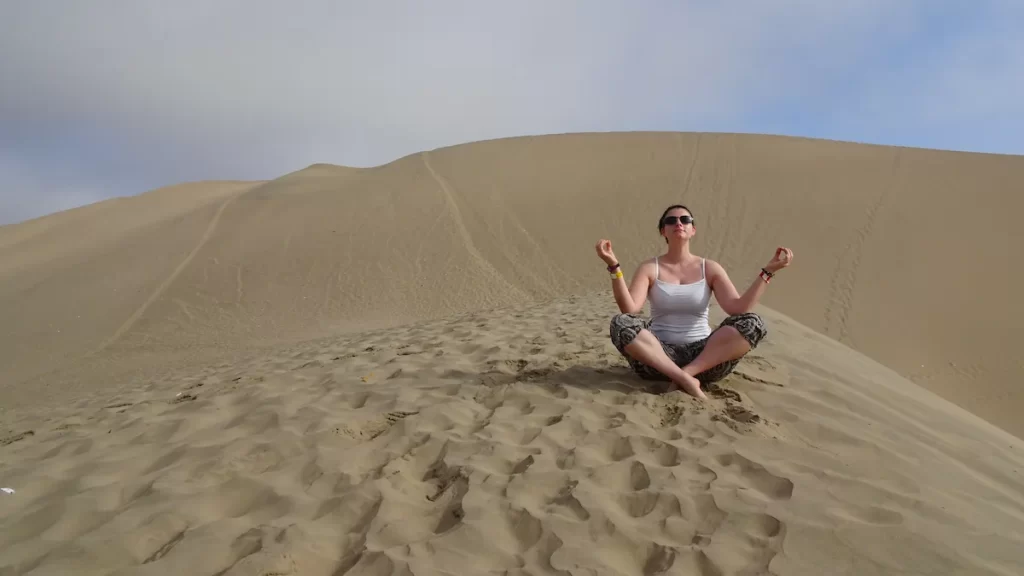
- Do something fun or relaxing – Meditate, go for a bike ride, bungee jump, order a takeaway, do anything which you enjoy to help take your mind off your disastrous situation.
What I have learnt from my travel disasters
I am fortunate that I have never experienced any disaster which has altered my life in such a negative way. I have never been left paralysed from a bungee jump gone wrong or been assaulted while travelling alone. It is these experiences which I have been fortunate to avoid, and my heart goes out to anyone who has experienced this level of devastating, life altering event while travelling.
Looking back over my travels, I have had some mishaps which have ranged from a minor inconvenience to things which could have ended my life. At the time, these things were horrible, but now I look back on each memory with fondness and pride that I managed to overcome them. Some things I have learnt from, like not leaving valuables on a beach unattended, others have given me an incredible story to tell (coming face to face with a wild crocodile!). But when I look back over the years I have travelled, these are the things that stick in my mind. They are what shaped my adventures and me as a person. Yes, I would have preferred to see Christchurch rather than panicking to get out of there for fear of another earthquake, and I am still sad that I never got to fulfil my dream of working with animals in the rainforest, but these disasters have become stories which I can tell for years to come.
So, my final thought is to try and avoid getting yourself into disasters in the first place by being prepared. Double check your flight times, wash your hands before eating, ensure your passport is in date, keep your valuables safe. But should the worst happen, remember that you are strong and can get through this. And you never know, the disasters you face now could be a story which you are telling your grandchildren someday.

1 comment
Don’t forget the ultimate travel disaster, that surfing trip haha